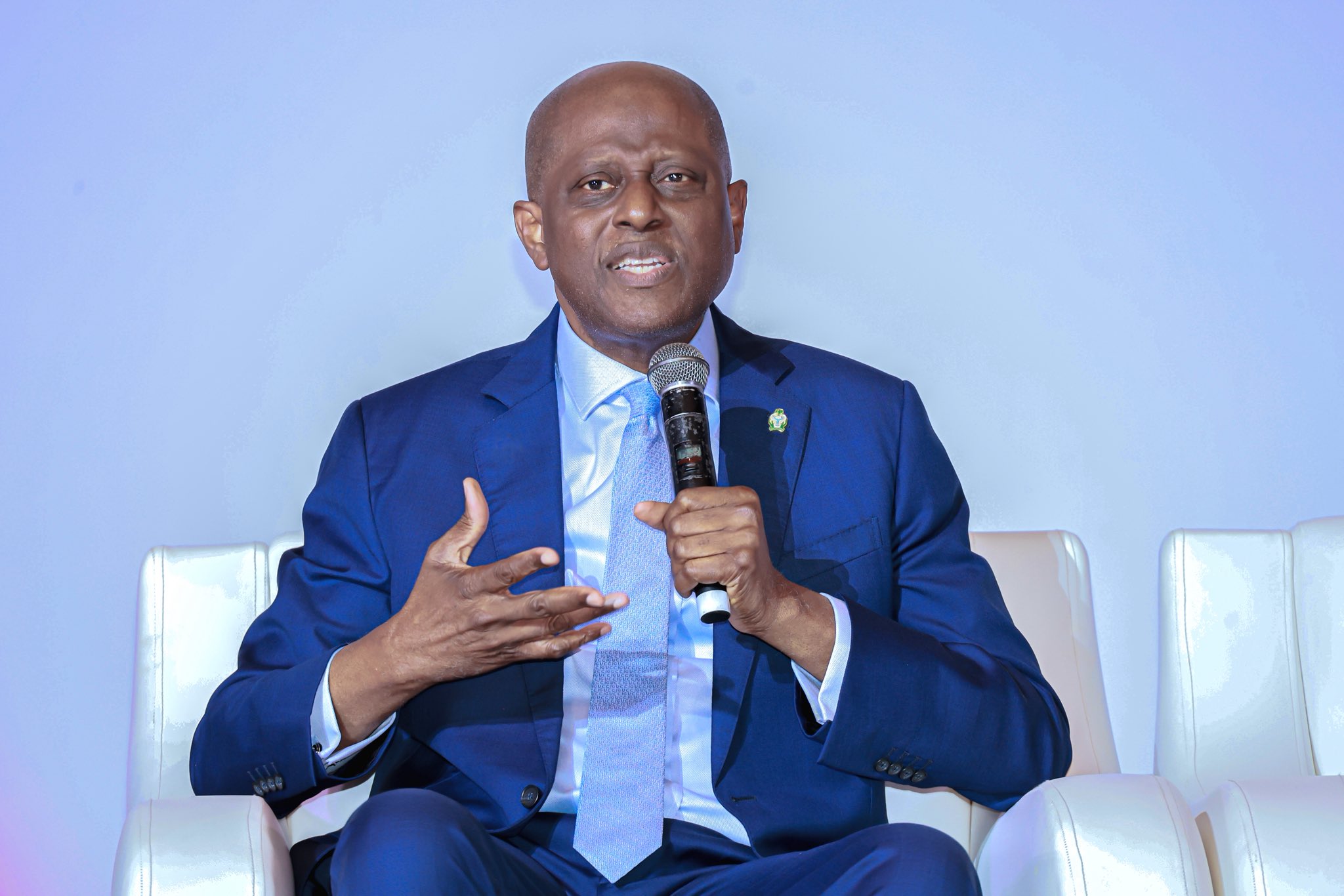
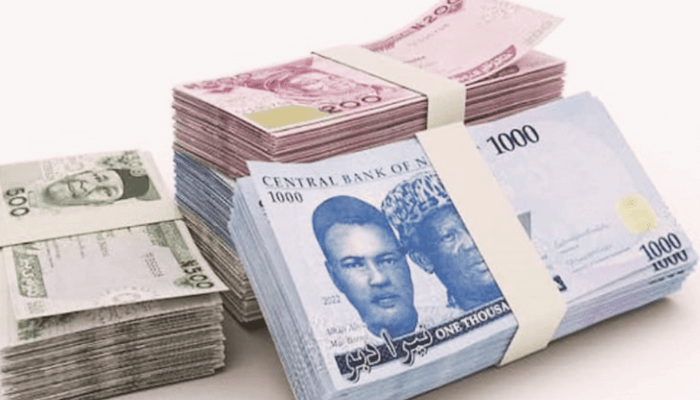
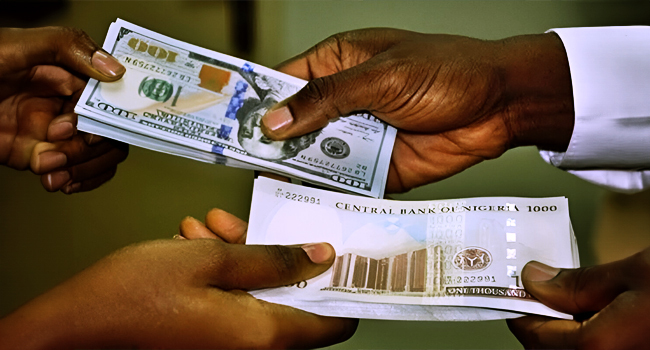
The Governor of the Central Bank of Nigeria (CBN), Olayemi Cardoso, has attributed the scarcity of lower naira denominations to declining demand. He clarified that this is not due to any decision by the apex bank to withdraw the notes and coins from circulation.
Mr. Cardoso made this statement on Tuesday during a press briefing following the 306th Monetary Policy Committee (MPC) meeting in Abuja. He noted that this development also signals Nigeria's gradual shift toward digital payments and broader financial inclusion.
On 8 July, the CBN had confirmed that 100 naira notes remain legal tender and warned Nigerians against rejecting them. Mr. Cardoso reiterated on Tuesday that the availability of lower denominations is largely determined by public demand within the payments ecosystem.
Addressing concerns about the perceived scarcity, the CBN governor explained that it reflects demand and supply dynamics as more Nigerians embrace electronic payment channels. He stated that the financial system is increasingly evolving towards digital transactions, which reduces the need for cash, particularly lower-value notes and coins.
“The ecosystem is moving, as indeed we want it to move, to one of financial inclusion where digitisation is becoming increasingly important to many. If there is no need for coins or for lesser denominations, then there is no need to have them,” Mr. Cardoso said.
The CBN's recently unveiled Payments System Vision (PSV 2028) places significant emphasis on expanding financial inclusion over the next two years. Mr. Cardoso added that the growing adoption of digital payment channels is expected to further reduce demand for small denomination currency.
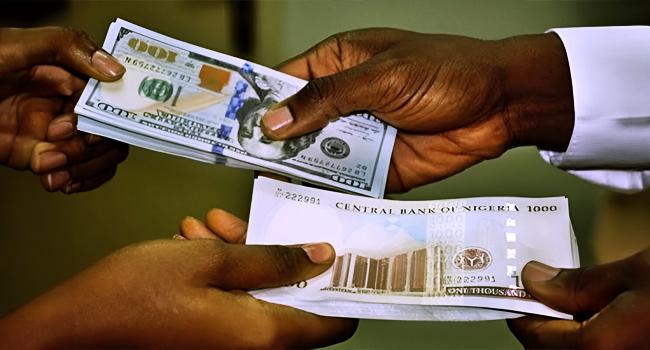
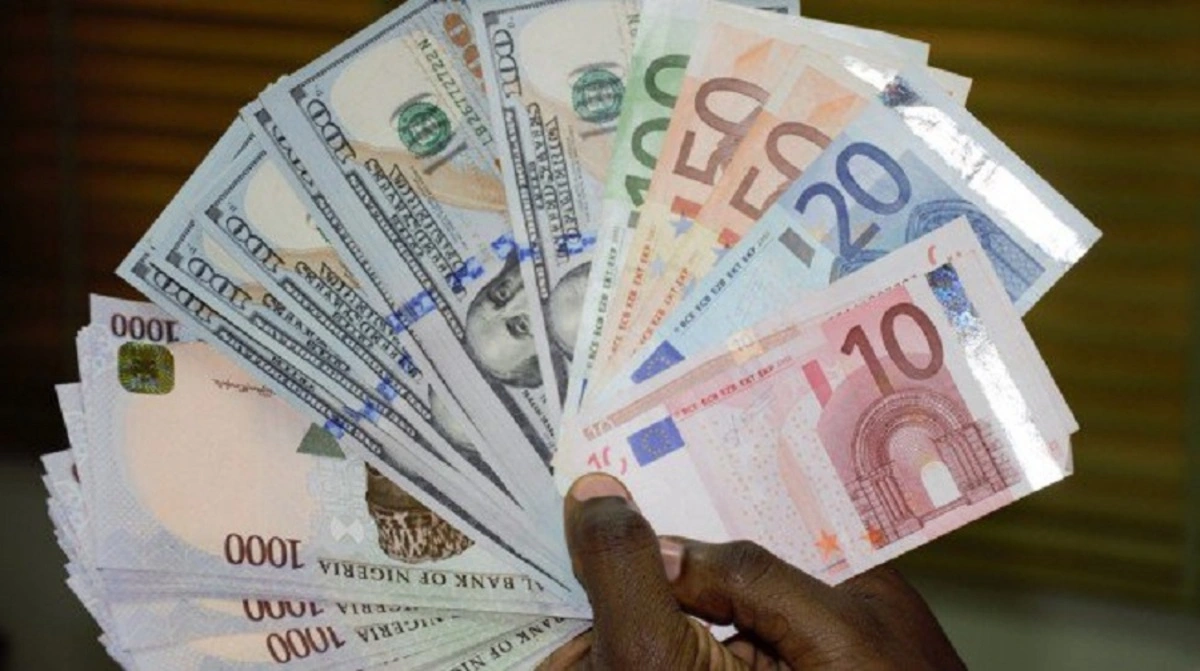
He acknowledged that the depreciation of the naira has affected the purchasing power of lower denomination notes. However, he maintained that the broader global trend favors digital payments over cash transactions.
Mr. Cardoso noted that in several advanced economies, some businesses no longer accept cash. He described the transition towards electronic payments as an inevitable direction for Nigeria, though he stressed that the change would not happen overnight.
“The world is moving in a particular direction, and we won’t be left out. Today, people can travel abroad and make payments with their naira cards. Those going on Hajj or pilgrimage can also use their cards. Generally, you can see the world is converging around digitisation,” Mr. Cardoso concluded.