CBN Reforms Drive Naira Stability
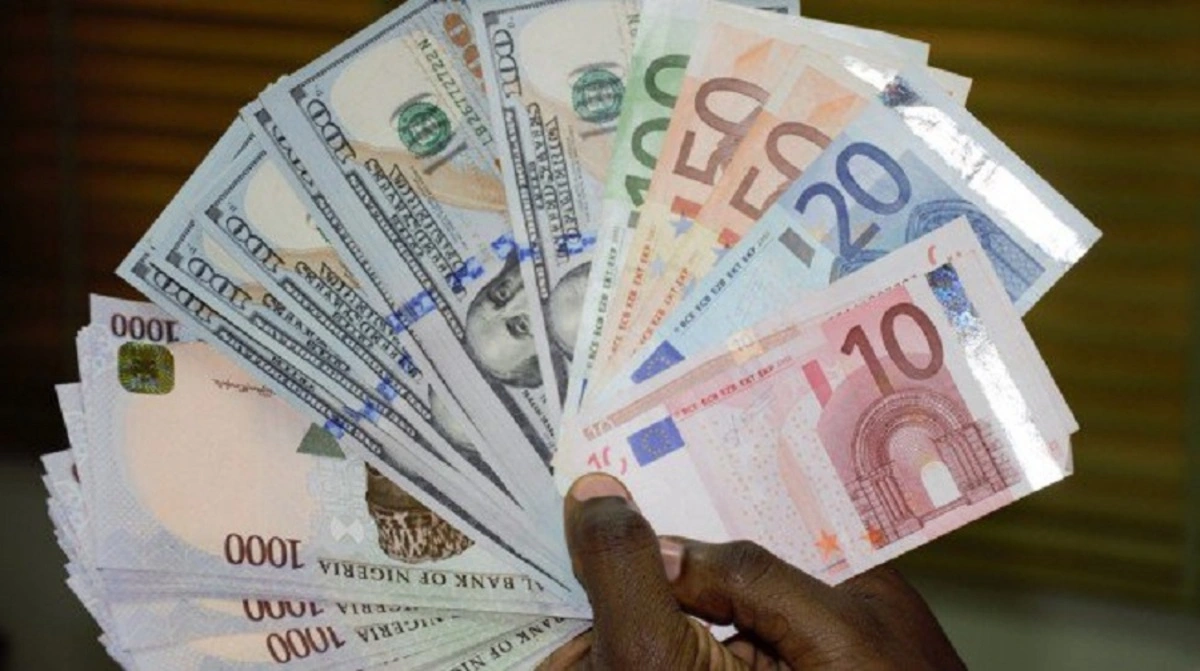
The Nigerian naira maintained its stability against the Euro last week, closing at N1,576/€1 according to the latest data from the Central Bank of Nigeria (CBN). This represents a minor change from the N1,573/€1 recorded in the preceding week, demonstrating a highly stable trading band.
The current rate shows a significant recovery from January 2026, when the pair traded near N1,774/€1. Since then, the naira has strengthened, reaching a multi-month low of N1,555/€1 and trading within a tight range of N1,561/€1 to N1,576.7/€1 since early July.
The ongoing stability of the local currency is attributed to aggressive CBN interventions and liquidity injections. The central bank has introduced several structural and regulatory adjustments to minimize volatility and ease working capital pressures on domestic businesses.
Among these reforms, the upfront payment for physical goods imports was raised from 15% to 30% of Free on Board (FOB) values to simplify purchasing procedures. Additionally, self-funded domiciliary account holders are no longer required to complete "Form A" to move funds directly to their destinations.
The apex bank also increased Personal and Educational Allowances to $25,000 per semester for international tuition. To manage physical cash circulation, Personal Travel Allowance (PTA) and Business Travel Allowance (BTA) are now disbursed 25% in physical foreign exchange cash and 75% electronically.
Global Monetary Policy and Euro Performance
On the global front, expectations of monetary easing by the European Central Bank (ECB) have limited the Euro's strength. High domestic yields in emerging markets like Nigeria have helped the naira remain resilient despite structurally high domestic inflation.
The Euro traded below $1.1600 against the US dollar early Monday, close to its June 17 high. This trend followed weak US employment data, which showed nonfarm payrolls contracted by 23,000 jobs in July, missing the consensus forecast of an 80,000 job expansion.
Furthermore, the US July payroll figure was revised down to 20,000 jobs from the previously reported 57,000. While annual wage inflation slowed from 3.4% to 3.2%, the US unemployment rate fell slightly from 4.2% to 4.1%, complicating the outlook for Federal Reserve interest rate hikes.
Geopolitical Risks Support Safe Haven Dollar
Despite weak employment data, the US dollar found support from geopolitical tensions in the Middle East. Concerns over shipping disruptions in the Strait of Hormuz have kept a risk premium on global prices, supporting safe-haven assets.
Iran indicated that its discussions with Oman to establish a safe shipping route were nearing an agreement, though it cautioned that this would not result in an immediate reopening of the waterway. Meanwhile, the Yemen-based Houthi group claimed responsibility for a missile strike on Saudi Arabia's Jazan refinery and a UAE-flagged tanker owned by the Abu Dhabi National Oil Company.
These developments have inflated global oil prices and heightened inflation expectations. Investors are now looking forward to upcoming US Consumer Price Index (CPI) data to gauge the Federal Reserve's next policy moves.
Domestic Financial Context
In other domestic financial developments, Nigerian companies earned N179.5 billion from treasury bills and bank placements in the first half of 2026. Meanwhile, concerns persist over fuel subsidy impacts, with the NRS Chairman noting that the subsidy could have pushed the naira to N3,500/$. Additionally, investors remain cautious as Geregu Power defaulted on its bond payments.