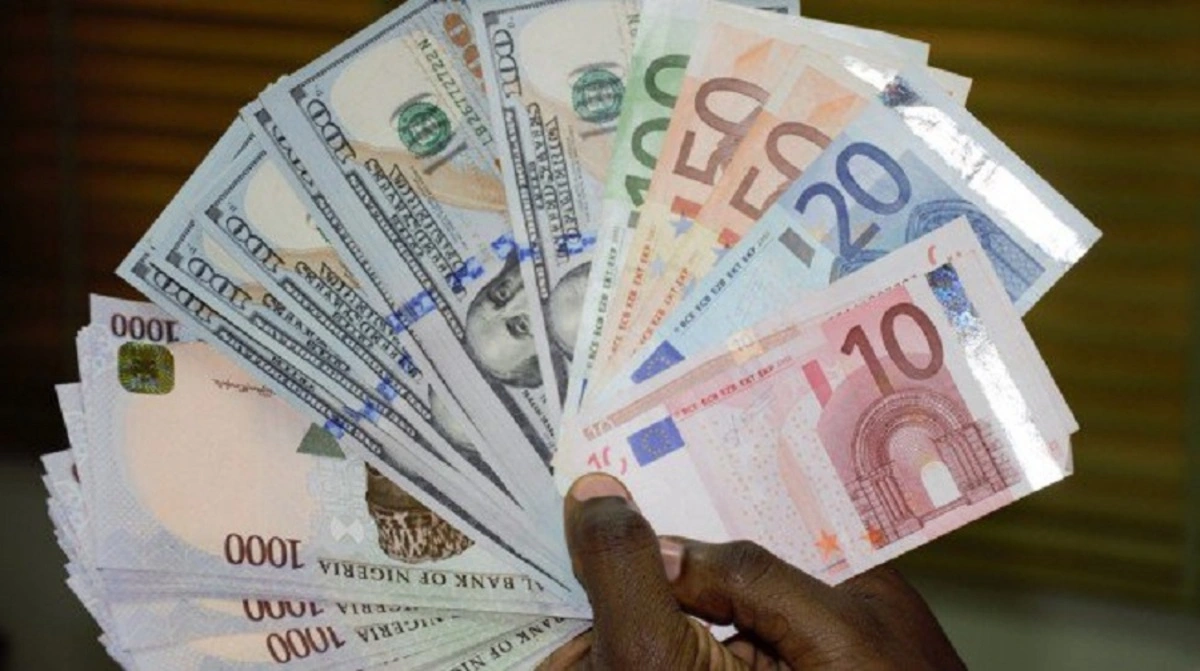
The Nigerian naira strengthened against the United States dollar on Thursday, closing below the N1,360/$ mark for the first time in four weeks. This appreciation is attributed to rising external reserves and sustained foreign exchange market reforms by the Central Bank of Nigeria (CBN).
Data from the CBN indicated that the naira closed at N1,359.75/$ on June 4, 2026, a slight improvement from the N1,360.00/$ recorded a day earlier. This move below the N1,360/$ threshold, last seen on May 7, 2026, signals improving stability in the foreign exchange market.
The naira maintained a relatively stable performance during Thursday’s trading session, supported by healthy market activity and improving foreign exchange liquidity. The currency traded within a range of N1,356.75/$ and N1,361.50/$ during the session, with the simple mean exchange rate standing at N1,359.138/$ and interbank foreign exchange turnover reaching $128.17 million. A total of 121 interbank deals were recorded among participating financial institutions.
The relatively narrow trading band suggests reduced exchange rate volatility, reflecting an improved balance between foreign exchange demand and supply conditions in the official market. Analysts believe these reforms, combined with stronger foreign exchange inflows from oil exports, remittances, and portfolio investments, have contributed to growing confidence in the market.
Nigeria’s gross external reserves rose to $49.96 billion as of June 3, 2026, an increase of over $155 million within 24 hours. Earlier data showed external reserves gained approximately $1.22 billion during May 2026.
The CBN has intensified efforts over the past year to improve liquidity, transparency, and investor confidence in Nigeria’s foreign exchange market. The apex bank recently introduced the Fourth Edition of its Foreign Exchange Manual to strengthen market governance and improve operational efficiency. The revised FX framework includes regulatory changes such as an increase in the allowable advance payment for imports from 15% to 30%, aimed at improving trade transactions and easing access to foreign exchange for businesses.
The CBN has maintained a tight monetary policy stance aimed at preserving exchange rate stability and containing inflationary pressures. Meanwhile, the Euro tumbled below N1,585/€1 on Thursday, reflecting the naira's broader strengthening trend against major foreign currencies.