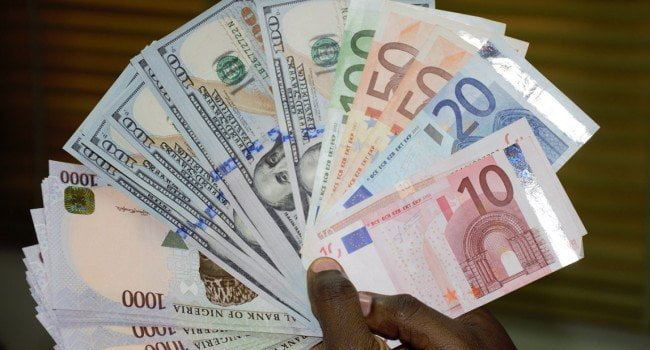
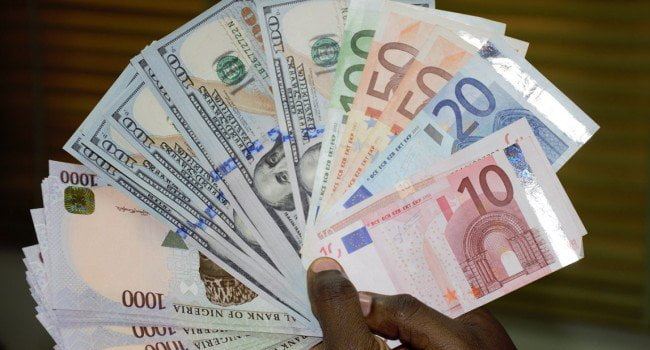
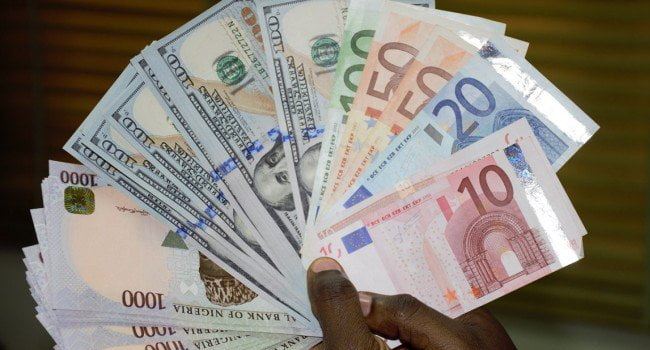
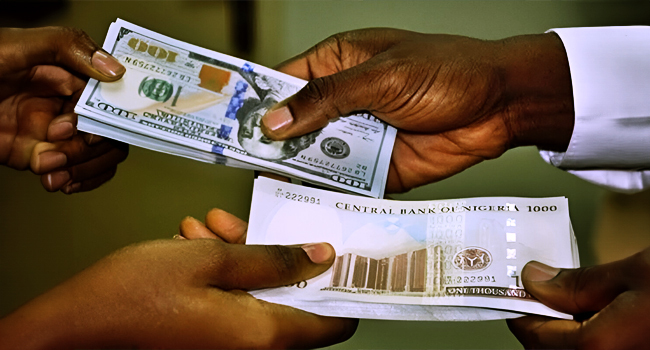
The Nigerian Naira strengthened against the Euro in the fourth session of the week, closing at N1573/€1. This marks a slight gain from the N1574/€1 recorded on Wednesday.
Market activity indicates a weakening of the EUR/NGN cross rate, driven by pressure from Naira bulls. The Naira has shown appreciation in 2026 following rapid devaluations in preceding years. This trend is supported by increased external buffers, bolstering the Central Bank of Nigeria's (CBN) defenses of the Naira and its ability to meet demand. Nigeria's foreign reserves are currently estimated at $50 billion.
The CBN's monetary policy for 2024/2025 remains hawkish, with the Monetary Policy Rate (MPR) raised to combat persistent inflation and attract Foreign Portfolio Investors (FPIs). While high yields offer some benefit to the Naira, inflation continues to pressure real returns.
Nigeria's foreign exchange reserves have been periodically supported by crude oil revenue and loans from international institutions such as the World Bank and the African Development Bank (AfDB). However, food and energy price shocks persistently undermine the local currency's value, exerting upward pressure on the Naira's fundamentals.
Currency traders will be monitoring the psychological support level around N1,550/€1 in the official exchange window and resistance near N1,650/€1. The medium-term outlook for the Naira is dependent on the CBN's capacity to sustain foreign exchange interventions and Nigeria's inflation peak.
Meanwhile, the EUR/USD pair remains highly volatile due to a significant policy shift by the European Central Bank (ECB). The ECB is expected to implement a rate hike to address potential second-round inflation effects, driven by high energy prices. This would be the first rate increase in three years.
Traders are closely watching ECB forecasts for inflation and economic growth, with the market pricing in three rate increases for the current year. The pair's recent consolidation reflects concerns over ECB rate hikes and fears of stagflation, exacerbated by policy changes and geopolitical tensions in the Middle East.
Energy prices have climbed further amid regional conflicts, particularly involving Iran, and shipping disruptions in the Middle East. Further rate hikes by the ECB may depend on statements from ECB President Christine Lagarde. Hawkish comments could support the Euro in the short term. Conversely, escalating Middle East hostilities might bolster the US dollar as a safe haven, challenging the major currency pair.