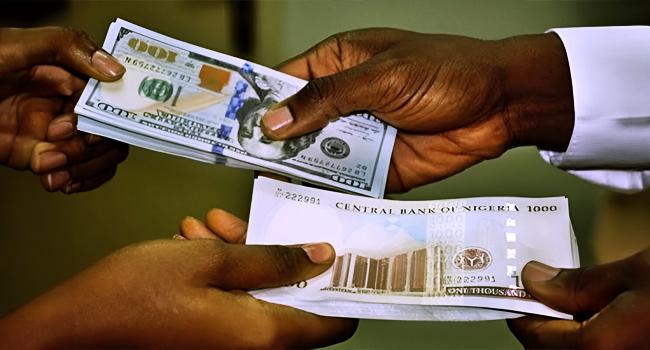
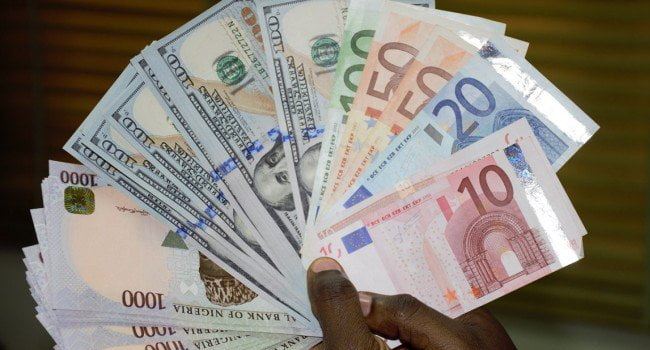
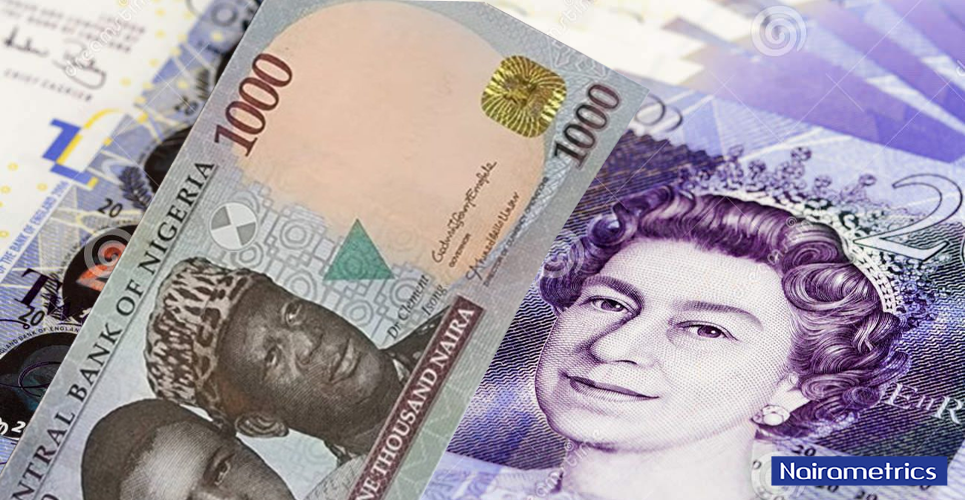
The Nigerian currency has gained ground against the US dollar in Nigeria’s official market, settling at N1,357/$ on Wednesday. This marks a significant appreciation, moving from N1,375.5/$ at the beginning of May, representing a gain of about 1.2% for the Naira in just one week.
The strengthening is attributed to increased demand for the local currency from both foreign and domestic players, coupled with ongoing interventions by the Central Bank of Nigeria (CBN). Trading volume in Nigeria’s official market has seen an increase, signaling active price discovery where local participants engage with the Naira's fluctuations.
The Nigerian foreign exchange market is becoming more responsive to daily policy signals rather than long-term speculation. This shift is partly driven by the CBN's hawkish approach, maintaining high interest rates to combat inflation, which has boosted investor interest in Naira-denominated assets like Treasury Bills.
Looking ahead, the second half of 2026 is projected to witness a slight depreciation of the Naira. This is anticipated due to increased market liquidity from pre-election spending in preparation for the 2027 elections. Furthermore, over N10.53 trillion in liquidity is expected to enter the system in May 2026 from maturing Treasury bills and Open Market Operations (OMO). This substantial inflow could challenge the CBN’s capacity to absorb surplus funds, potentially putting fresh pressure on the Naira.