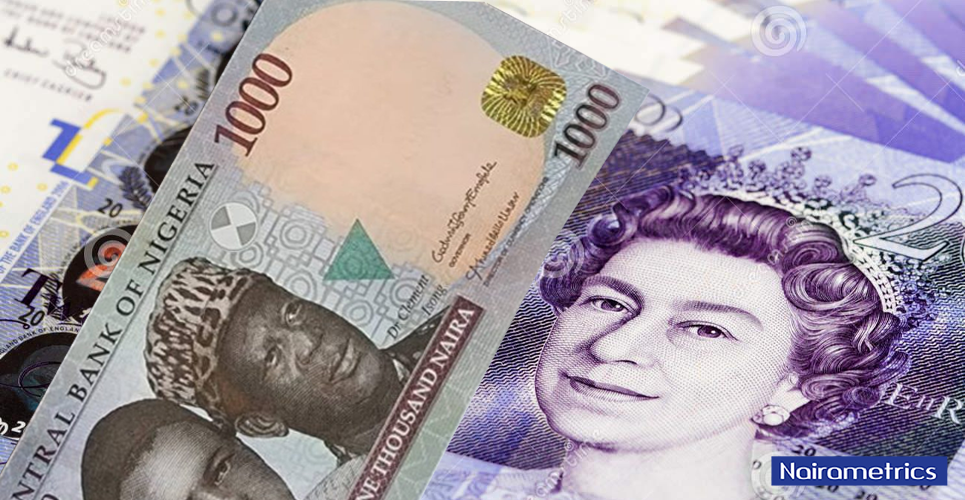
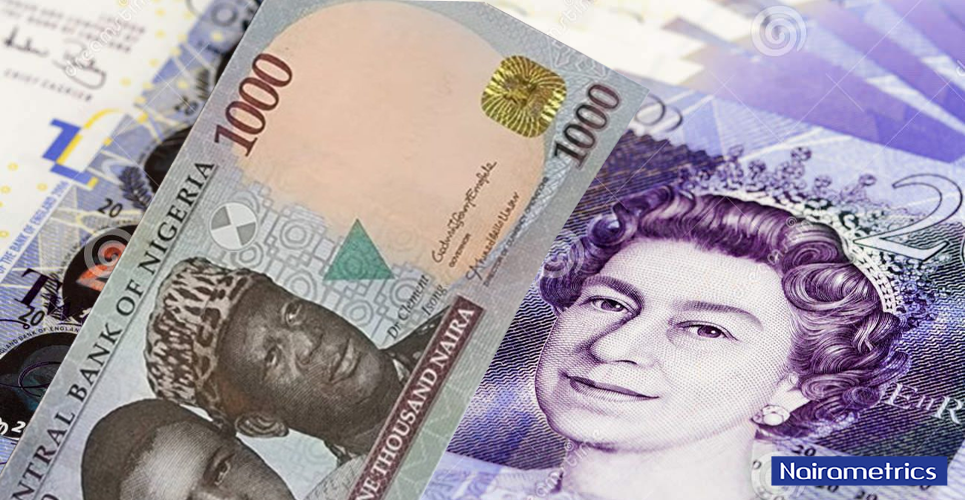
The Nigerian naira's outlook for the week remains cautiously optimistic, following a period of steady appreciation and a significant shift in monetary policy. Market participants are closely observing the Naira/dollar pair as it navigates a narrow range to project its next significant move.
The immediate resistance for the local currency is positioned between N1,395/$ and N1,400/$. The psychological threshold of N1,400/$ serves as a major ceiling in the official market. A daily close above this level would indicate a short-term bearish shift for the naira, signifying dollar strength.
The primary support for the naira is identified between the N1,350/$ and N1,360/$ bandwidth. Recent price patterns suggest that demand for the greenback has been high in this region. The Nigerian currency is expected to fluctuate between N1,360/$ and N1,390/$ on the official market this week.
The naira's appeal is expected to remain relatively strong in the mid-term, as the Central Bank of Nigeria's (CBN) current foreign exchange holdings are anticipated to curb any major depreciation in the local currency. Nigeria’s external reserves have reached a 13-year high, equipping the CBN with a substantial reserve to intervene and maintain liquidity in the Nigerian foreign exchange market.
Global Dollar Strength Amidst Geopolitical Tensions
The US dollar is demonstrating renewed resilience as a haven for investors worldwide, particularly amidst ongoing geopolitical tensions in the Middle East. The US Dollar Index (DXY) has recorded two consecutive weekly gains, climbing back above the psychologically significant 100 level for the first time since late December.
This dollar appreciation is not attributed to a single factor but rather a confluence of several elements. These include evolving perceptions of the Federal Reserve's policy actions, relatively high US interest rates, and global political dynamics. The recent dollar rally has coincided with escalating tensions in the Middle East, prompting investors to seek out established, defensive assets.
The US dollar typically strengthens during periods of geopolitical unrest as international capital flows towards safety and liquidity. Concurrently, all US Treasury yields have seen an increase, further enhancing the dollar's attractiveness. This yield rebound is partly driven by growing speculation that inflation may rise again, especially as energy prices react to geopolitical developments.
The disinflationary narrative that had begun to gain traction in the markets earlier this year may become more complex if oil and gas prices continue to climb. The Federal Reserve maintains a cautious stance. The central bank's decision in January to maintain its policy rate between 3.50% and 3.75% did not surprise the markets.
However, the tone of the accompanying statement was more noteworthy, with policymakers appearing generally comfortable maintaining policy while closely monitoring incoming data. The meeting minutes reaffirmed this message, indicating that only a small minority of officials favored a rate cut, with the majority preferring patience. The Fed appears to be firmly in a wait-and-see mode for the time being, and Fed officials have not yet seen sufficient data to alter this approach.