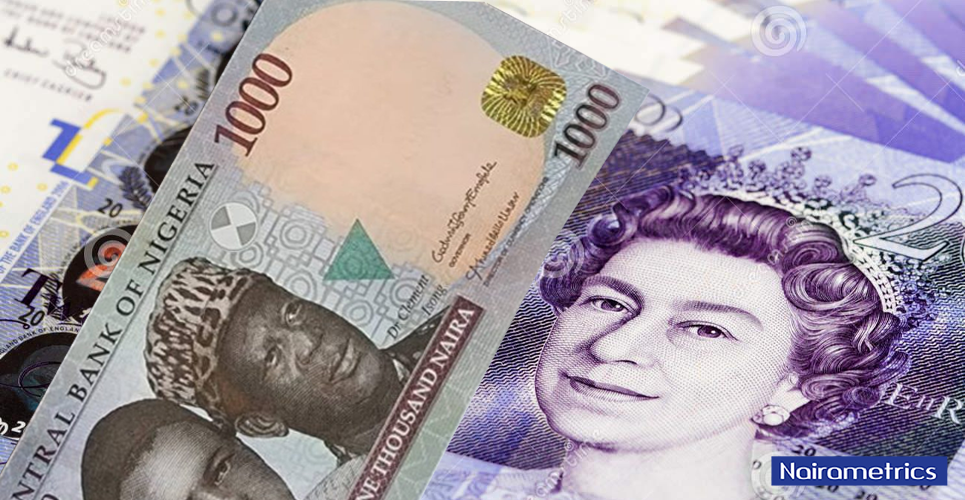
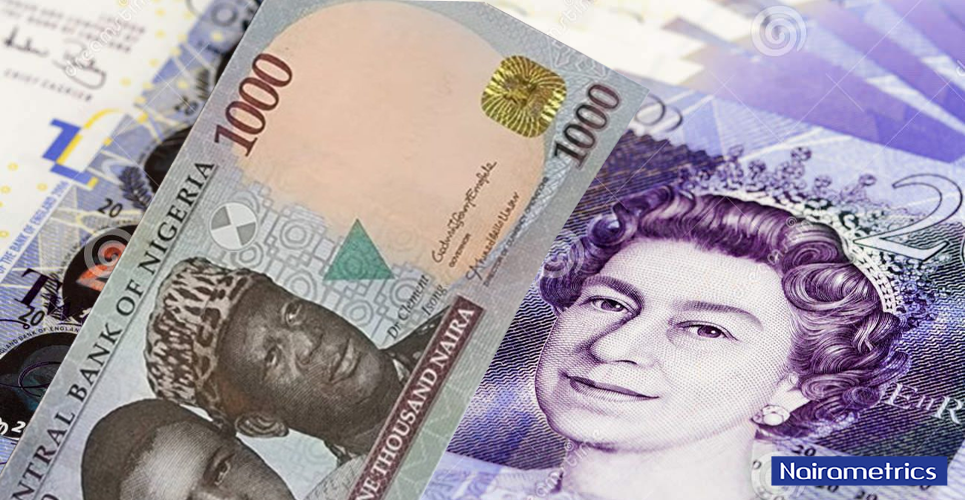
The naira depreciated to N1,391/$ on Wednesday, March 26, 2026, as the U.S. dollar strengthened against major global currencies. This decline occurred amidst rising global inflation concerns and persistent geopolitical uncertainty linked to tensions involving Iran.
Data obtained from the Central Bank of Nigeria (CBN) showed that the local currency weakened from N1,383.5/$ recorded on Tuesday. The movement reflects broader pressures in the foreign exchange market as investors react to global economic signals.
The strengthening of the dollar, driven by inflation expectations and risk sentiment, has continued to weigh on emerging market currencies, including the naira.
What the data is saying
CBN data shows that the naira traded within a defined range during Wednesday’s session, reflecting ongoing volatility in the foreign exchange market. The figures also indicate a decline in market activity compared to the previous day.
- The naira traded between N1,376/$ and N1,391.5/$, with a simple average of N1,387.22/$.
- NFEM interbank turnover declined to $55.7 million on Wednesday from $83.4 million recorded on Tuesday.
- The number of deals executed at the interbank market dropped to 64, down from 88 deals in the previous session.
The data also shows a slight dip in Nigeria’s external reserves, signaling continued pressure on the country’s foreign exchange buffers.
Get up to speed
The naira has faced sustained pressure in recent months due to a combination of global and domestic factors, including dollar strength, capital flow dynamics, and monetary policy tightening in advanced economies.
Globally, the U.S. dollar gained strength on Wednesday, with the dollar index rising by 0.44% to 99.62, as traders assessed inflation trends and geopolitical developments. The euro fell by 0.39% to $1.1562, while the British pound declined by 0.37% to $1.3362.
Rising U.S. import prices, which recorded their biggest increase in nearly four years in February, have reinforced expectations of sustained inflation, increasing the likelihood of tighter monetary policy in the United States.
More Insights
Geopolitical tensions, particularly around Iran, continue to influence global market sentiment and currency movements.
- Iran is reviewing a U.S. proposal to end the ongoing conflict but has raised concerns over sovereignty issues related to the Strait of Hormuz.
- While U.S. President Donald Trump indicated progress in talks, Iranian officials denied direct negotiations, adding to market uncertainty.
- Global crude oil prices fell by 1.37% to $103.06 per barrel despite the tensions, while risk sentiment remained mixed across equities and bonds.
Other global currencies also weakened against the dollar, with the Japanese yen falling to 159.46 per dollar and the Australian dollar declining by 0.63% to $0.6949.
Nigeria’s external reserves declined slightly to $49.57 billion on March 24, 2026, from $49.6 billion recorded on March 23, 2026.
- The drop in reserves highlights ongoing pressures on Nigeria’s ability to support the naira in the foreign exchange market.
- Reduced interbank turnover suggests lower liquidity, which can contribute to exchange rate volatility.
What you should know
Earlier, Nairametrics reported that the Naira weakened slightly to N1,383.5/$ on Tuesday, March 25, 2026, as external reserves dropped to $49.6 billion.