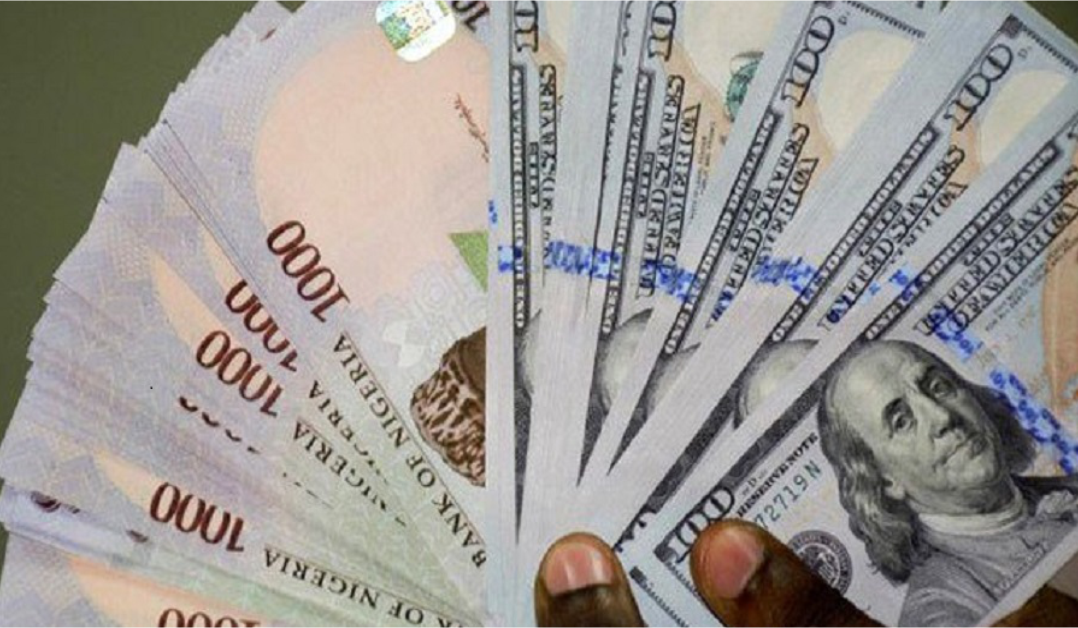
The Nigerian Naira depreciated against the US dollar, concluding the week at N1,421.9 on the official foreign exchange market. This occurred despite a weakening trend observed in the dollar's performance on the global stage.
The Naira's decline is attributed primarily to persistent constraints in the domestic supply of foreign exchange. This means that demand for dollars within Nigeria continues to outstrip the available supply, placing downward pressure on the Naira's value.
According to data, the persistent imbalance between supply and demand continues to affect the exchange rate. This comes as businesses and individuals seek dollars for various transactions, including imports and international payments.
Market analysts suggest that addressing the supply-side challenges is crucial for stabilizing the Naira. This could involve measures to attract more foreign investment, boost exports, and manage import demand. The development follows ongoing efforts by the Central Bank of Nigeria to manage the exchange rate and ensure stability in the foreign exchange market.
The exchange rate volatility presents challenges for businesses, potentially impacting import costs and overall economic activity. Market watchers believe that a stable and predictable exchange rate is essential for fostering business confidence and attracting foreign investment.
Looking ahead, the performance of the Naira will likely depend on the effectiveness of measures taken to address the underlying supply constraints and manage demand pressures in the foreign exchange market. Further policy adjustments may be necessary to achieve exchange rate stability.