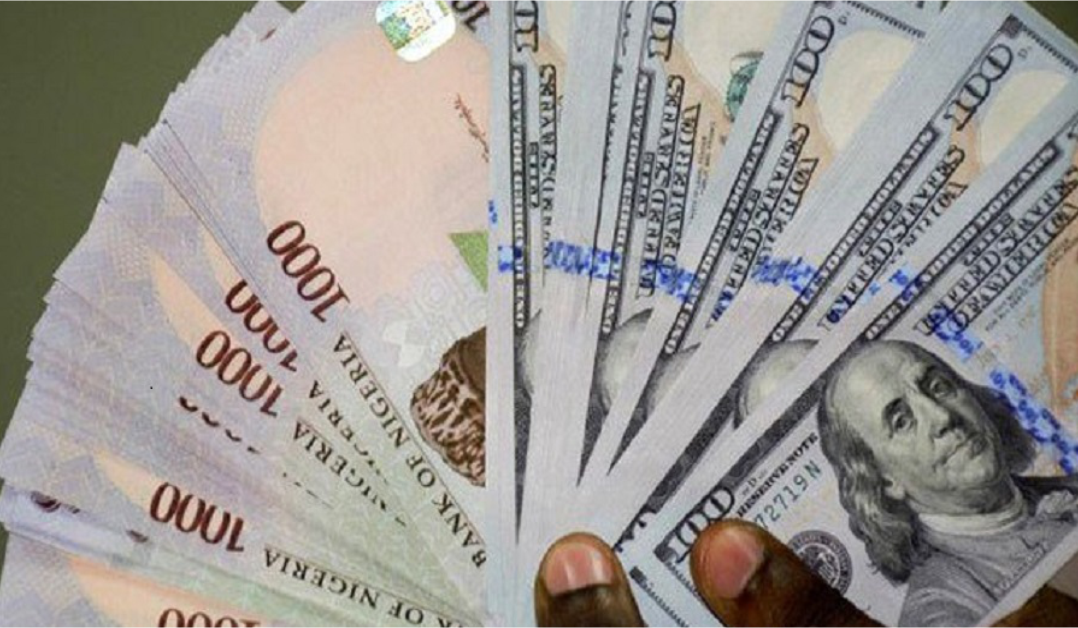
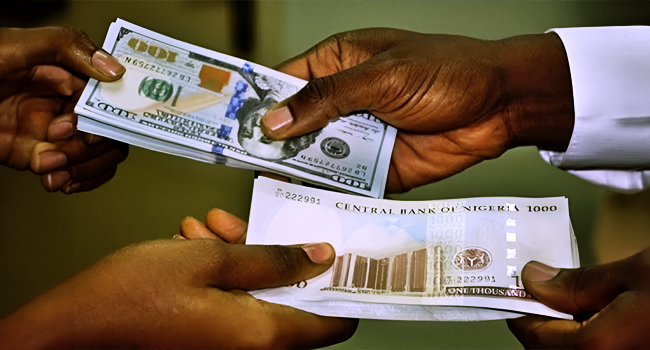
The Naira has demonstrated a notable strengthening trend against both the US Dollar and the British Pound in recent trading sessions. In the official foreign exchange market, the Naira appreciated to N1,348 per dollar on Tuesday, April 15, 2026, a move that coincided with a broader weakness in the U.S. dollar, which has fallen to a six-week low.
This appreciation reflects an improving market sentiment, partly attributed to optimism over potential diplomatic talks between the United States and Iran. The U.S. dollar index fell to 98.109, hovering near its lowest level in over six weeks, further supporting the Naira's gains.
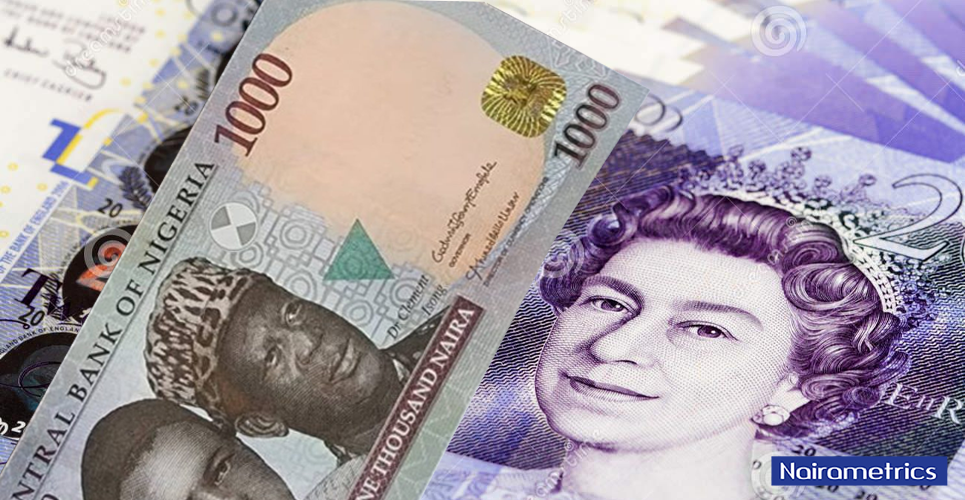
Against the British Pound, the Naira is trading at N1,825 per £1 as of April 14, 2026. This marks a recovery from earlier April lows where it reached approximately N1,870/£1. The Naira has gained about 7.3 percent against the pound this year, indicating a consolidation phase.
Forex traders, however, point to persistent challenges in the parallel market. They attribute the widening gap between official and black market rates to speculative activities, fiscal leakages, and arbitrage. This divergence has led to a disparity of N44.75 between the official rate of N1,355.25/$ and the parallel market rate of N1,400/$, an increase from N21.50 recorded the previous month.
Traders like Aminu Gwadebe noted that the over-appreciation of the Naira in the official market, without corresponding fundamentals, encourages the proliferation of ungoverned FX channels. Basir Kanjiwa added that demand for foreign exchange remains structurally high while supply is constrained, with many participants holding dollars in anticipation of further depreciation, thus tightening liquidity.
The Central Bank of Nigeria (CBN) has been implementing measures aimed at increasing foreign exchange liquidity and has made policy changes that are likely contributing to the Naira's perceived strength. Sterling, meanwhile, is facing energy-induced inflation, with the Bank of England adopting a hawkish pause.
Despite the recent gains, Nigeria’s external reserves continue to trend downward, declining to $48.72 billion as of April 13, 2026, from $49.18 billion at the start of the month. The CBN has also struggled with Foreign Portfolio Investment (FPI) amid high domestic inflation and a foreign exchange backlog.
The narrowing of the negative gap between legal and illegal exchange rates has also been influenced by a reduction in OPEC's oil output and a stronger U.S. dollar globally. The GBP/NGN pair is currently in a neutral-to-bearish consolidation phase, with the N1,854/£1 mark being a significant obstacle to a bearish trend.