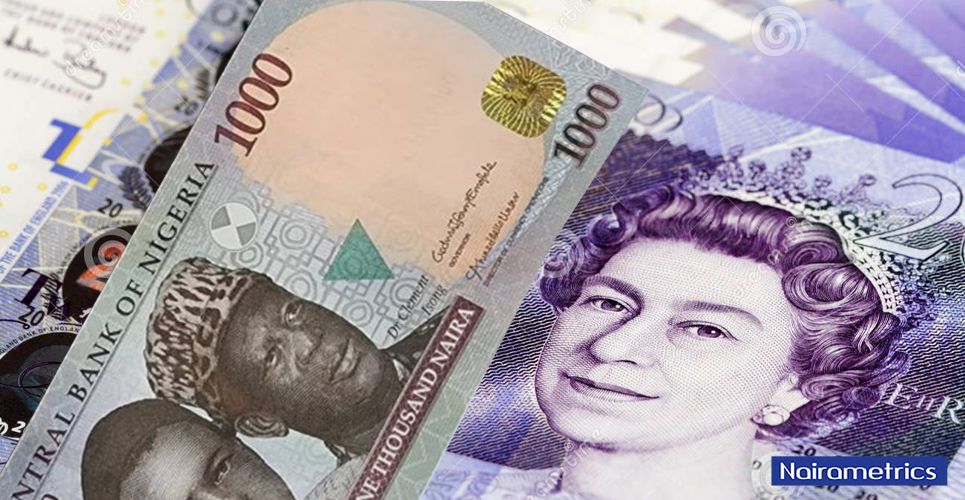
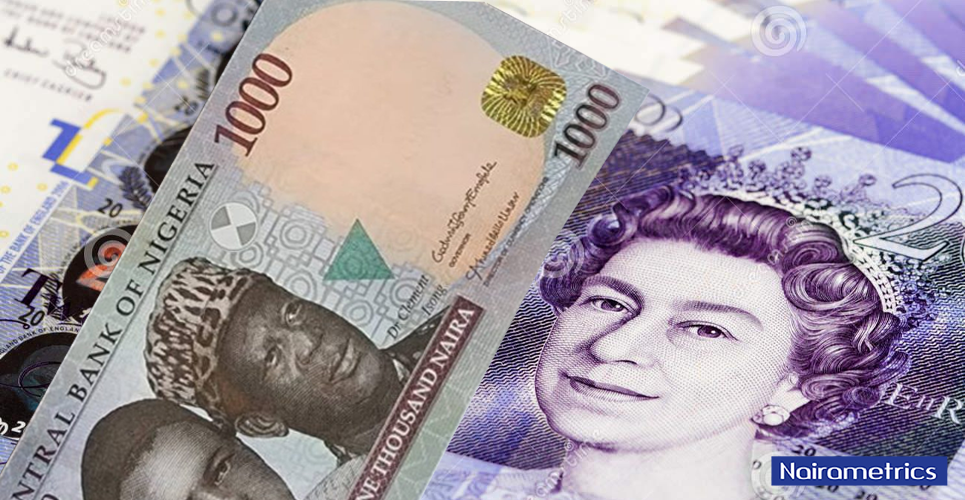
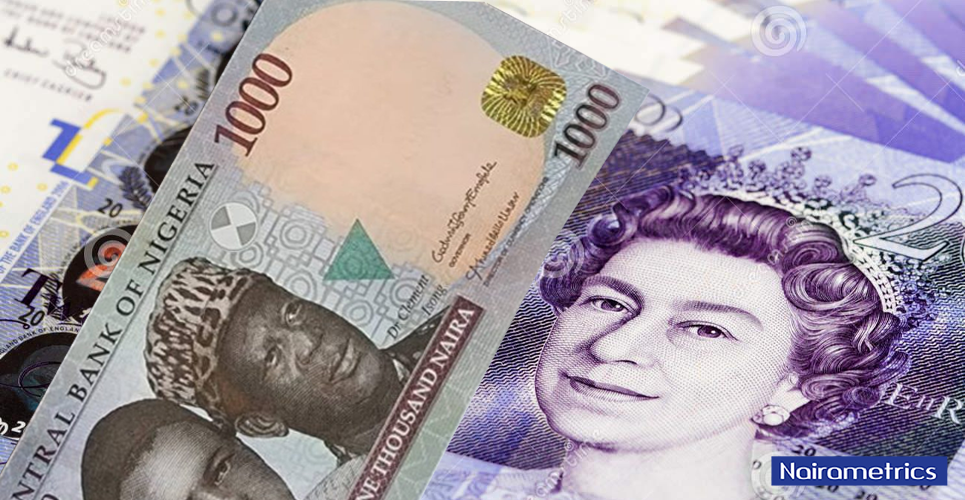
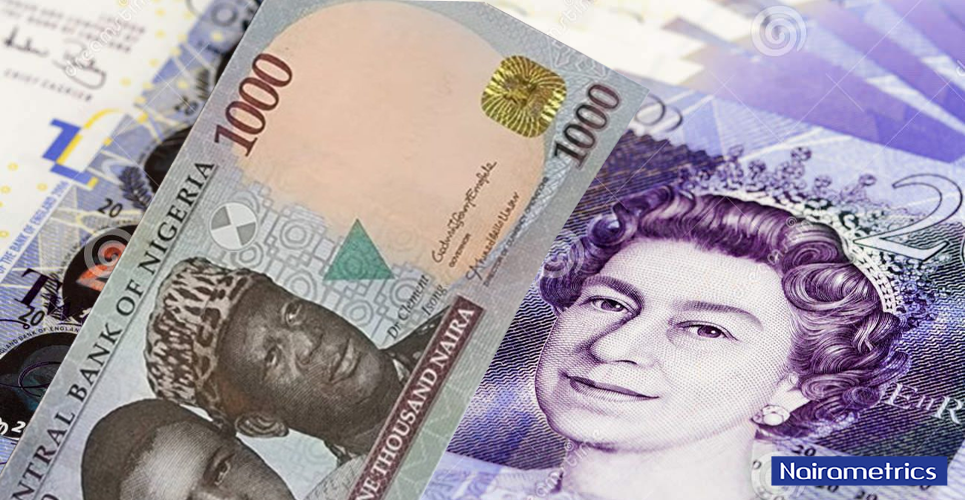
The Nigerian currency has shown a degree of stability against the British Pound, settling at N1,836/£ in the official market. This comes as the pound experienced a decline against the US dollar on the global foreign exchange market.
Technical indicators suggest a shift in the Nigerian foreign exchange market dynamic, moving from a phase of 'panic buying' to a more balanced 'willing buyer, willing seller' environment. Daily fluctuations, which were previously marked by N50–100/£ changes in 2024–2025, are no longer prevalent.
The GBP/NGN pair is expected to remain range-bound if the Bank of England maintains its high interest rates while the Central Bank of Nigeria (CBN) continues to support Naira stability. However, any dovish policy shift from the Bank of England could weaken the pound relative to the Naira.
Market expectations for the week anticipated the Naira to trade within the N1,800/£ to N1,850/£ range. A decisive move above N1,850/£ would indicate Naira depreciation, while a drop below N1,800/£ would suggest the effectiveness of the CBN's tightening policies.
Despite persistent structural risks, Nigeria's aggressive reforms implemented in 2024–2025 appear to be yielding results, contributing to this consolidation phase in the currency market.
In a separate development, the Naira closed March 2026 at N1,387/$ on the official market, erasing some of the gains it had made in February. This demonstrates the ongoing volatility within the foreign exchange market.
February had shown a more encouraging trend for the Naira, with the currency starting the month at N1,367/$ and strengthening to N1,340/$ by February 18. These movements had offered a glimmer of hope for stabilization.
However, March presented a more challenging environment. The Naira opened the month around N1,376/$ but depreciated to N1,425/$ by March 9, influenced by geopolitical tensions and a stronger US dollar. This represented the currency's worst close in six weeks at the time.
Throughout March, the Naira fluctuated between N1,362/$ and N1,391/$, ultimately closing at N1,387/$. Nigeria's foreign reserves also saw a decline, falling from $50.03 billion on March 11 to $49.29 billion by March 30, a decrease of approximately $547 million. This sustained pressure on reserves reflects the broader economic challenges.
The data underscores the fragile nature of the Naira's gains and its susceptibility to external shocks and shifting market dynamics.