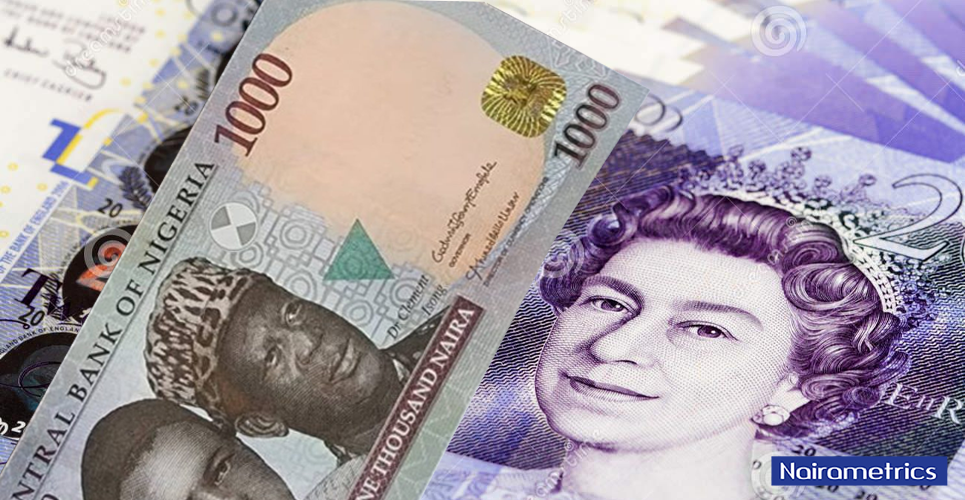
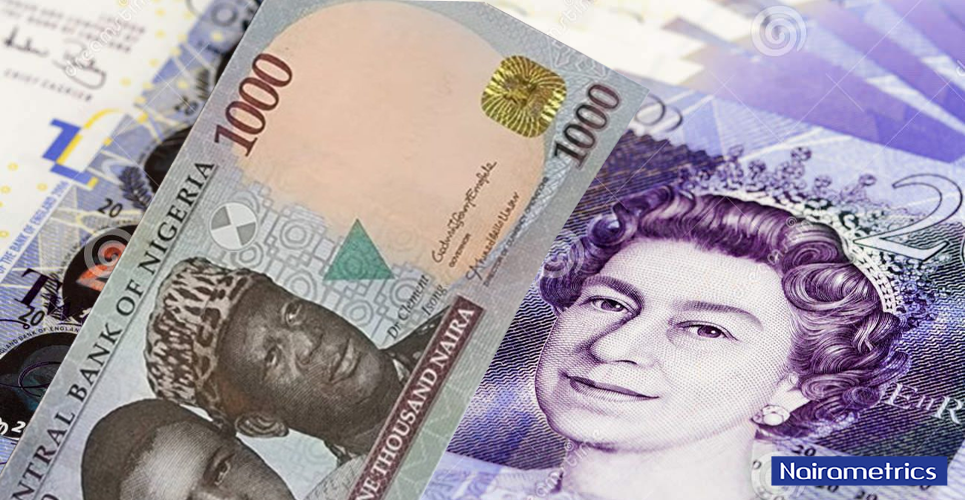
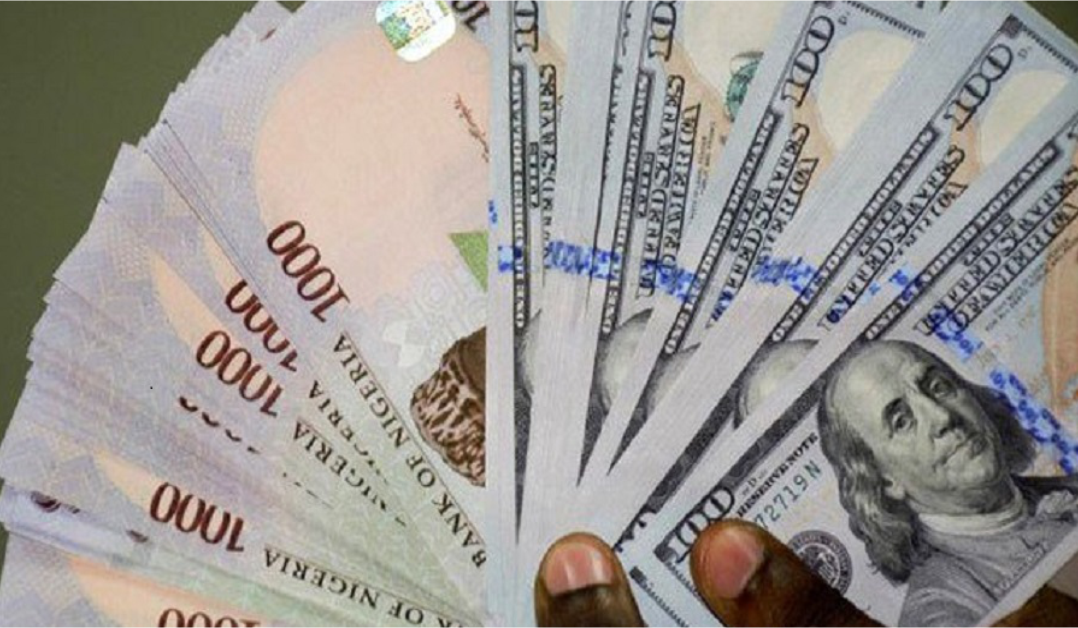
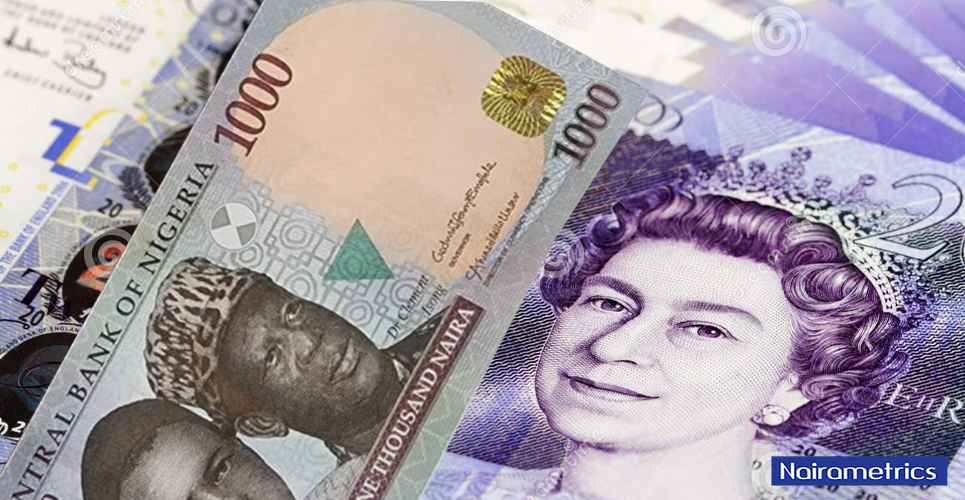
The Nigerian Naira showed weakness in the foreign exchange market at the start of the week, trading at N1,885.8 against the British Pound and N1,375 against the US Dollar. These movements reflect broader global economic dynamics and geopolitical uncertainties.
Against the British Pound, the Naira settled below the N1890/£1 mark. The currency has been fluctuating within the N1825–N1950/£1 range, influenced by UK economic indicators and the Bank of England’s interest rate projections. The Central Bank of Nigeria's (CBN) monetary policy rate stands firm at 26.5%, which is helping to create a floor for the Naira and prevent sharper declines.
Efforts by the CBN to reduce the gap between the official NAFEM rate and the parallel market are ongoing, aiming for greater transparency despite causing short-term volatility. Foreign exchange dealers are closely monitoring UK inflation data, as persistent inflation could lead the Bank of England to maintain higher interest rates, potentially strengthening the Pound.
Technically, the GBP/NGN pair is showing a neutral Relative Strength Index (RSI) on the daily chart, indicating a balance between buyers and sellers. The pair is trading slightly below its 15-day moving average, suggesting a short-term bearish signal, but remains above the 200-day average, confirming the long-term trend of the pound being significantly more expensive than the Naira.
Meanwhile, the Naira weakened against the US Dollar to N1,375/$, from Friday's closing rate of N1,364/$. This depreciation occurred amidst renewed global market uncertainty stemming from rising tensions in the Middle East. The US Dollar held firm globally as investors sought safe-haven assets.
The CBN data indicated intraday trading for the dollar ranged between N1,367/$ and N1,375/$, with a simple average rate of N1,372.98/$. The turnover in the Nigerian Foreign Exchange (NFEM) interbank market stood at $51.17 million across 67 deals.
Global markets are reacting to fears that Middle East tensions could disrupt energy supplies. Brent crude futures rose to $104.55 per barrel, while US West Texas Intermediate traded around $98.17 per barrel. These geopolitical concerns are contributing to inflationary pressures and may lead to sustained higher interest rates globally.
The recent exchange rate movements follow a period of relative stability for the Naira, which had seen some strengthening in late April and early May. However, the current global climate has introduced renewed volatility.