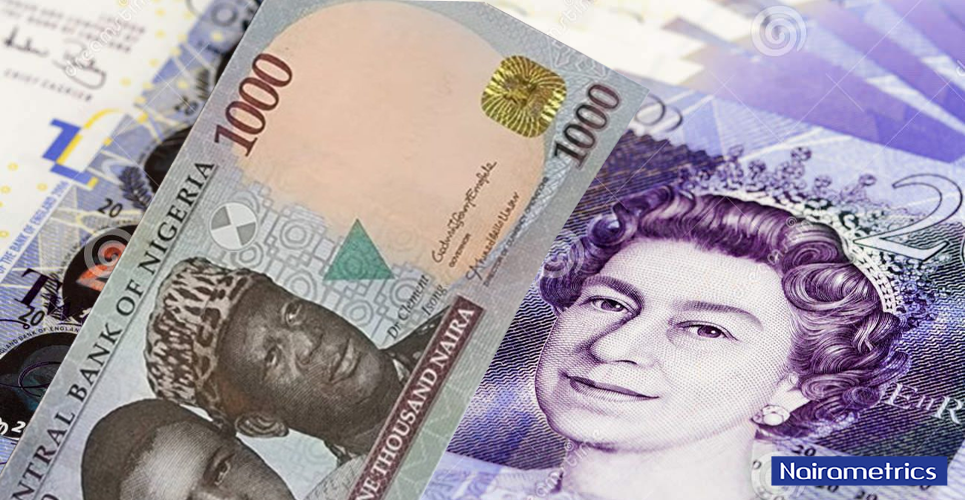
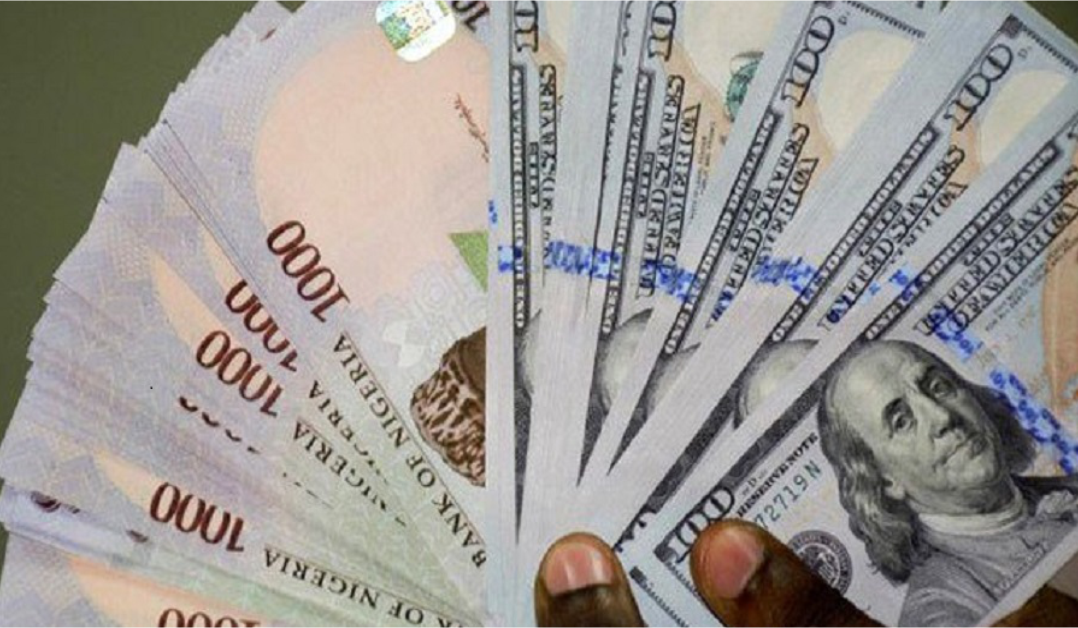
The Nigerian Naira has demonstrated resilience in the foreign exchange market, maintaining its stability against the British Pound Sterling while also recording gains against the U.S. dollar. This performance is influenced by a combination of global economic shifts and Nigeria's domestic monetary policies.
In the official market, the Naira settled at N1,862 per British Pound on Thursday, April 9, 2026. Despite rising demand for naira-denominated assets and weak UK economic performance, the local currency held its ground. The Naira faces immediate resistance at N1,816.7/£1, with a potential to test the N1,800/£1 psychological floor if this level is breached. A breakout above N1,854/£1 could see the pair return to the N1,900/£1 range.
The GBP/NGN pair has seen the Naira gain approximately 7.5 percent against the Pound year-to-date. The pair is currently in a neutral-to-bearish consolidation phase on daily charts, following a peak at N1,853.9/£1 on April 7th. Nigeria’s high-interest-rate environment, with the Monetary Policy Rate (MPR) between 26% and 27%, is providing support to the Naira through “carry trade” dynamics, limiting the Pound's capacity for long-term rallies.
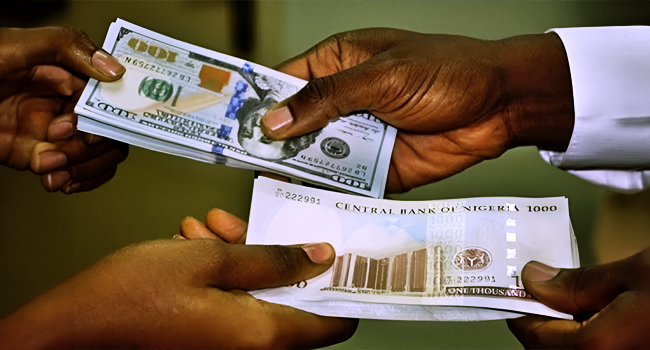
In parallel, the Naira appreciated to N1,365/$ on Thursday, April 10, 2026, against the U.S. dollar. This gain aligns with a broader global decline in the greenback, which has fallen by 1.3% this week. The U.S. dollar's weakening is attributed to optimism surrounding a ceasefire in the Gulf and the expected resumption of oil shipments, leading investors to unwind safe-haven positions.
The Naira's strengthening against the dollar reflects the global trend, with major currencies also gaining. The euro traded at $1.1690, while the Australian and New Zealand dollars posted weekly gains of nearly 3%. This shift in currency markets is driven by easing geopolitical tensions and expectations of improved oil supply flows through the Strait of Hormuz.
Nigeria’s external reserves have seen a slight decline, falling to $48.89 billion from $49.18 billion at the start of April, continuing a downward trend observed since mid-March. Despite this, the alignment between the official foreign exchange rate and the black market rate, which is less than 5% apart, is notable. This convergence is likely due to increased access for Bureau De Change (BDC) operators, which has improved foreign exchange accessibility for retail traders.