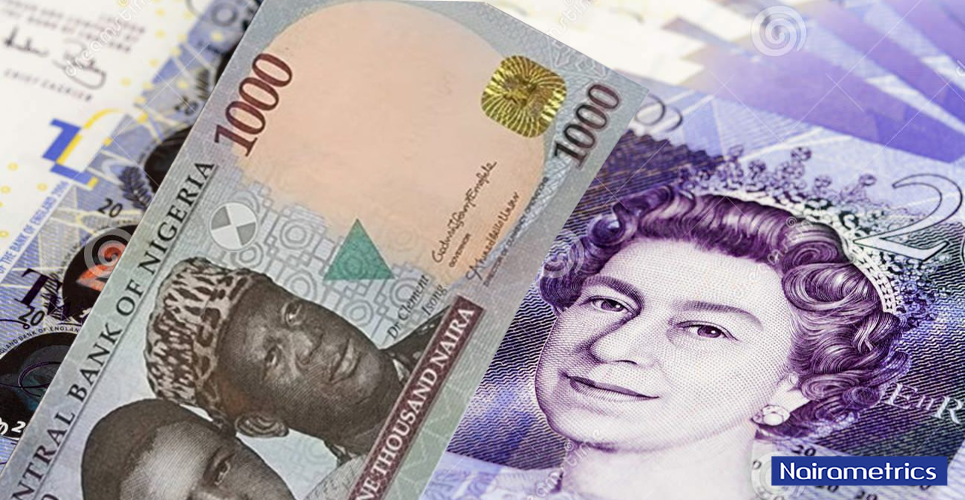
The Nigerian Naira experienced a marginal depreciation against the British pound on both the Nigerian Foreign Exchange Market (NFEM) and the parallel market. This occurred as the British pound sterling demonstrated a strong rebound in the global foreign market.
Naira's Performance Against Pound and Dollar
On the official segment of NFEM, the pound Sterling was exchanged at approximately N1,855/£1 at the opening of today’s trading. This marks a slip from N1,849/£1 recorded in its prior trade session, based on cross-rate against the US Dollar. The official segment rate has consistently fluctuated within the N1,825/£1 to N1,890/£1 range.
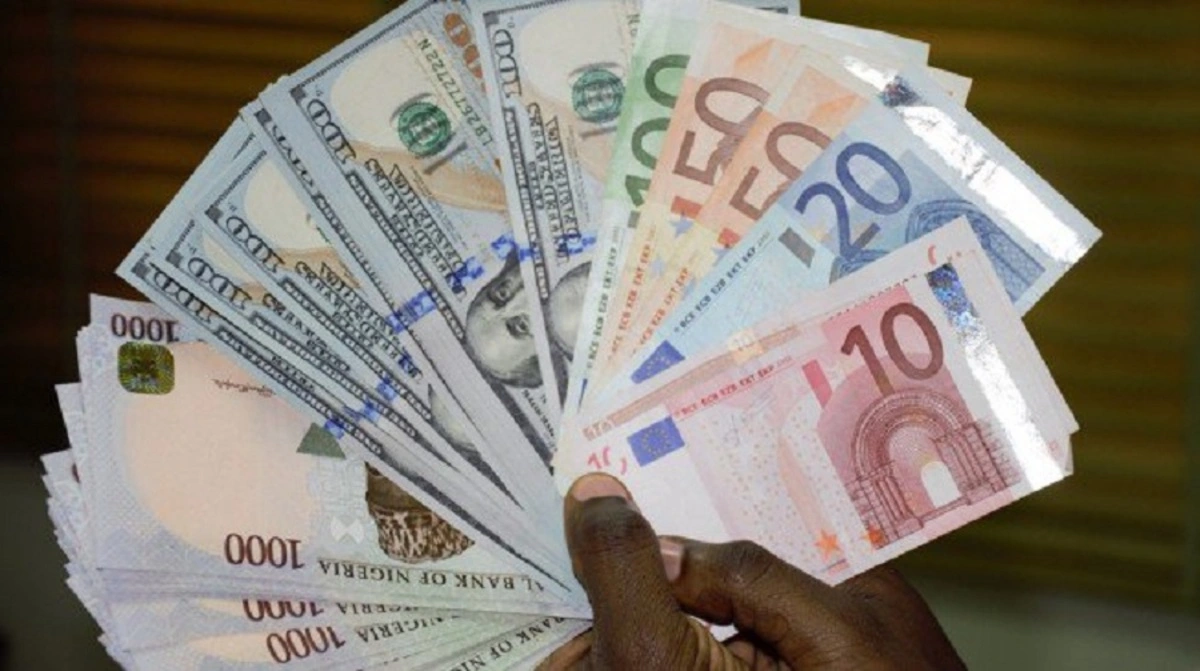
The local currency currently exchanges for the US Dollar at a rate between N1,375/$ and N1,380/$ on the official market. Latest market fundamentals indicate the Central Bank of Nigeria’s (CBN) managed float system has been active through frequent FX interventions. These interventions aim to curb local FX market volatility, supported by Nigeria’s foreign External Reserves which continue to trend higher, above $51 billion, providing a bullish naira outlook.
The IMF recently commented that while the Naira is appreciating against the US dollar, it is technically undervalued by 25.6%. However, Dangote Petroleum Refinery has begun selling to local retailers priced in US Dollars due to issues with its local “naira-for-crude” supply. This move is likely to increase commercial demand for Dollars, potentially creating longer-term downward pressure on the Naira’s purchasing power.
Factors Bolstering British Pound
The British pound sterling is eyeing a two-day gain, sticking near 1.34 in Wednesday’s London session, primarily due to a weak American Dollar following soft US CPI data. The US Consumer Price Index (CPI) inflation softened to 3.5% on a year-on-year basis in June, down from a 3-year high of 4.2% in May and below the consensus of 3.8%. Headline CPI actually fell 0.4% month-over-month in June, contrasting with the 0.5% growth seen in May.
Political turbulence, including Prime Minister Keir Starmer’s resignation early in 2026, has had minimal impact on the pound. Underlying yield support has provided ample backing. The Bank of England (BoE) is positioned aggressively relative to its other G7 counterparts, with its key policy rate remaining on hold at 3.75%. CPI in the UK remains above 3% and has proven stubbornly persistent due to continued pressures in energy and service price rises. This, coupled with the steady BoE rate, provides a supportive floor under Sterling relative to its global counterparts. UK economic growth remains in a range around 1.0% to 1.2% per annum.
Global Economic Headwinds and Sterling
The British sterling has also rallied amidst inflation concerns from rising energy prices, triggered by Middle East tensions. This has prompted markets to price in aggressive Bank of England rate hikes, with an increased probability of two hikes in 2026, including a September hike. The rise of tensions in the Hormuz also fuels oil price volatility and may keep the higher Fed rate, as higher oil prices raise concerns about inflation, potentially prolonging higher interest rates from the Federal Reserve.
Any downward move of the Greenback will likely be contained as safe-haven flows continue to find support amid escalating tensions between the US and Iran. Iran’s involvement in the Hormuz flare-up escalates oil prices and sparks inflation concerns. According to the CME FedWatch Tool, markets are now pricing in a roughly 50% chance of a Fed rate hike in September.