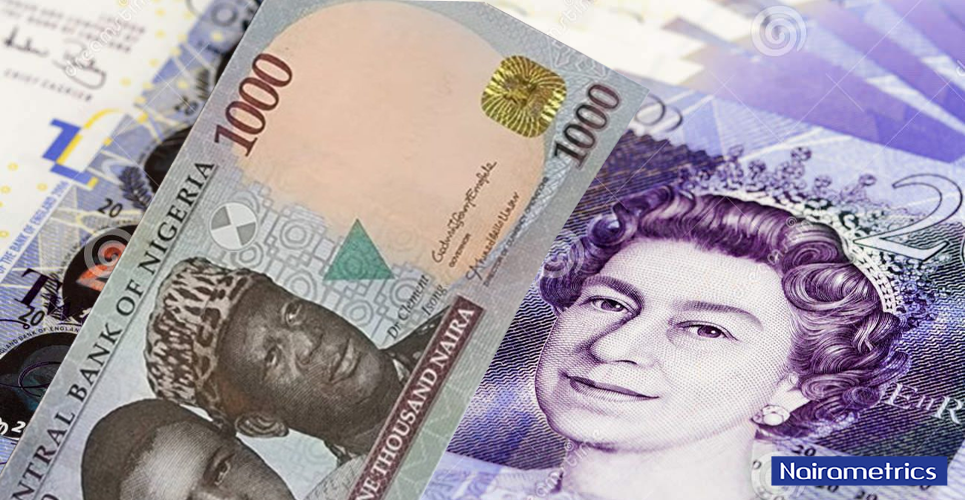
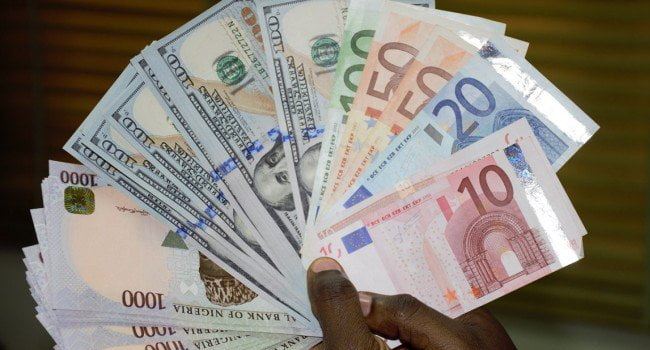
The Nigerian naira has strengthened against the British pound, settling at approximately N1,825 to £1 amidst heightened political uncertainty in the United Kingdom. This marks a significant gain for the naira, which has appreciated by roughly 7% against the pound this year, having started at N1,949/£1.
In the parallel market, the British pound was observed trading between N1,880 to buy and N1,905 to sell, reflecting strong foreign exchange demand from travelers and importers. Meanwhile, in the official foreign exchange market (NFEM), the naira traded between N1,350 and N1,370 against the US dollar, driven by demand for school fees, medical services, and business transactions abroad.
The Central Bank of Nigeria (CBN) continues its intervention efforts and maintains a tight monetary policy, with the Monetary Policy Rate (MPR) firmly at 26.5%. The CBN's successful liquidation of FX backlog debts has attracted international portfolio investors to Nigerian debt instruments, ensuring a steady supply of foreign exchange.
Nigeria's gross foreign reserves have been bolstered by increased crude oil production and rising energy prices in the first half of the year. Additionally, substantial remittance flows from Nigerians abroad continue to provide ample hard currency. The ramp-up in local refining capacity, particularly the Dangote Refinery operating near its 650,000 bpd output, has significantly reduced Nigeria's reliance on imported refined oil.
While higher energy prices benefit export receipts and reserves, elevated international transport and energy costs pose risks to cost inflation. S&P Global revised Nigeria's credit rating to "B" with a stable outlook, citing economic reforms and currency unification that have stabilized the macroeconomy and attracted renewed foreign portfolio investment.
British Pound Sterling Weakens
The British pound sterling experienced a third consecutive day of selling pressure, falling below the $1.32 mark and reaching its lowest point since April. Persistent domestic political risks in the UK and a strong US dollar are contributing to a negative short-term outlook for the GBP/USD pair.
Specific political developments, such as Andy Burnham winning a parliamentary seat and signaling a potential challenge to the Prime Minister, are contributing to the uncertainty. Forex traders have also lowered expectations for aggressive interest rate hikes from the Bank of England following softer inflation data. The perceived stability in US-Iran relations, which eased energy shock concerns, further supports the view that the Bank of England may maintain stable interest rates, weakening the Sterling.
In contrast, the US dollar remains strong, holding near its highest level since late March, with the US Federal Reserve indicating a potential rate increase by year's end. Geopolitical factors, including the cancellation of US Vice President JD Vance's trip to Switzerland for Iran negotiations and Israeli airstrikes in Lebanon, add to global uncertainty and support the safe-haven status of the US dollar, further pressuring the GBP/USD pair.