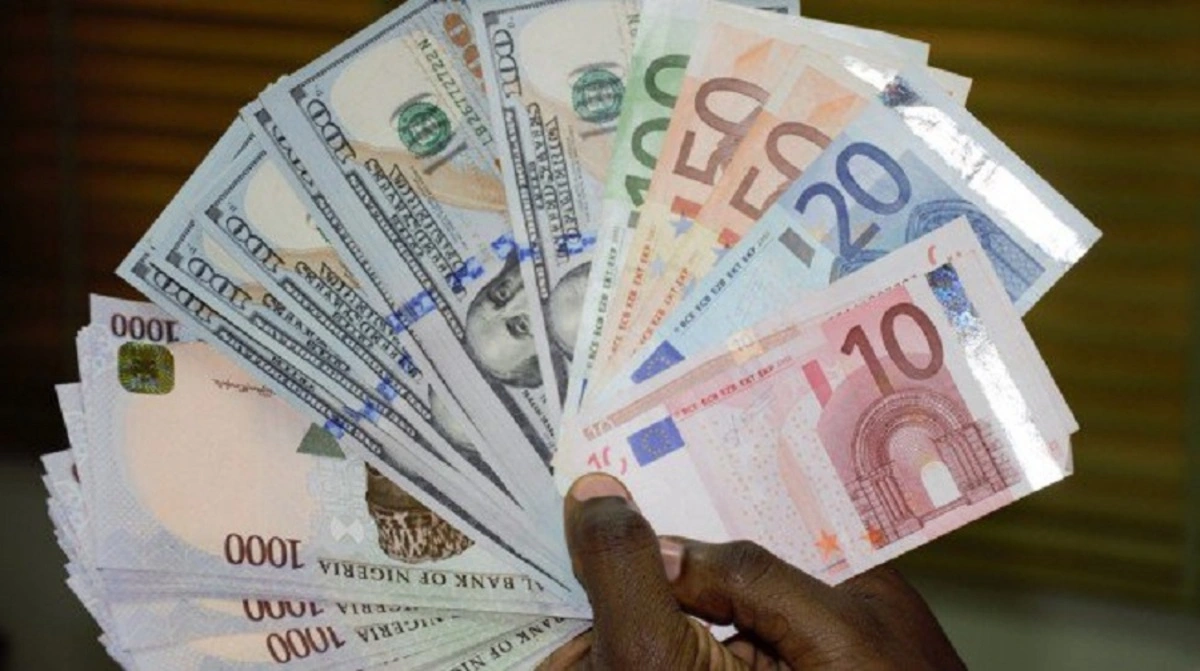
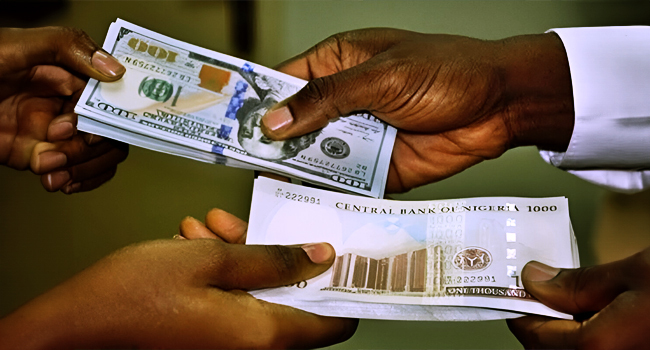
The Central Bank of Nigeria (CBN) announced that its ongoing monetary and foreign exchange reforms are yielding positive results. The gap between the official naira exchange rate and Bureau de Change (BDC) rates has dropped below 2%, while external reserves have risen above $52.5 billion.
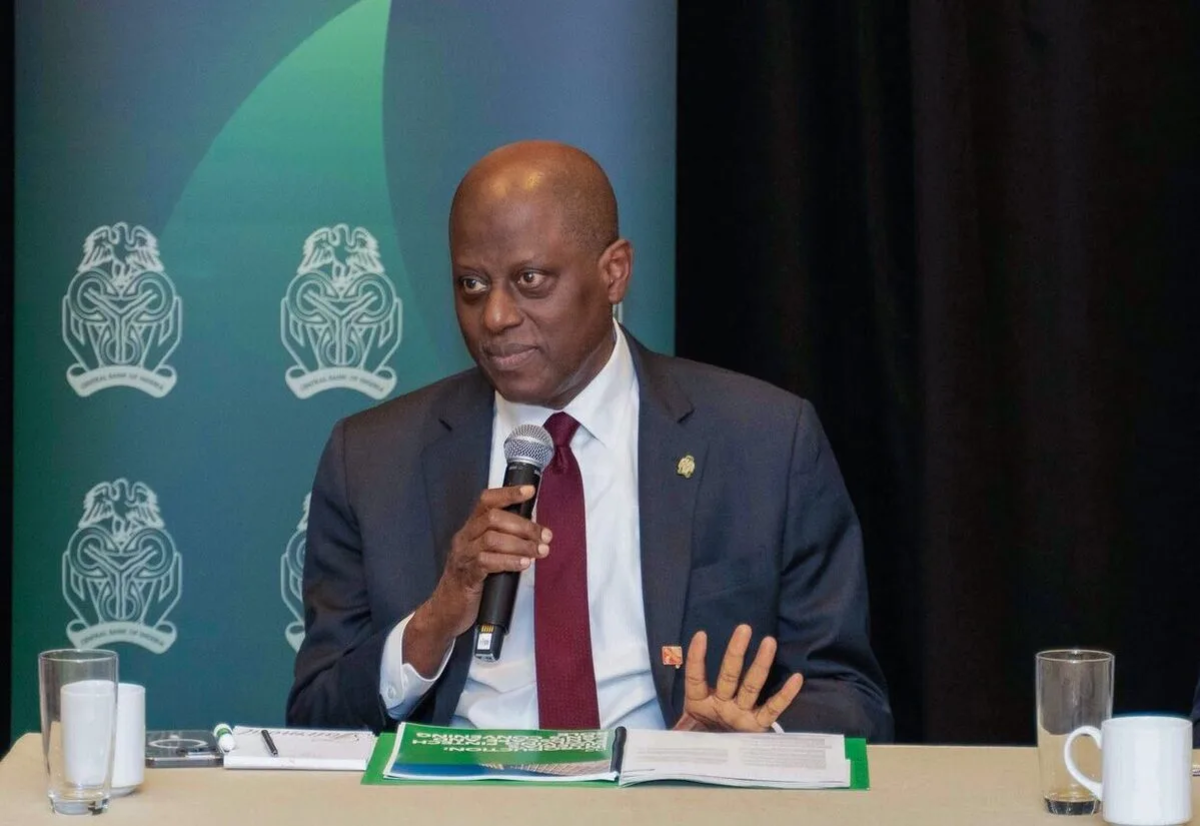
CBN Governor Olayemi Cardoso, represented by Hakama Sidi-Ali, the Acting Director of Corporate Communications and Investor Relations, shared these updates on Tuesday, August 4, 2026, at the CBN Fair in Gombe. The apex bank pointed to easing inflation, improved foreign exchange market stability, and stronger external reserves as clear evidence of progress.
Naira Appreciates as Market Spread Narrows
According to Governor Cardoso, the disparity between the official and parallel markets has reduced significantly since the introduction of reforms in 2023. He attributed this improvement to disciplined monetary tightening, exchange rate reforms, and enhanced market transparency.
On Tuesday, August 4, 2026, the naira closed at N1,362/$ at the official market. This represents an appreciation from the N1,365/$ recorded on Monday, August 3, 2026.
External Reserves Hit 17-Year High
Nigeria's external reserves crossed the $52.5 billion mark as of July 17, 2026, representing the highest level in 17 years and exceeding the CBN's annual target. Cardoso noted that this growth was supported by sustained inflows and renewed investor confidence.
However, subsequent data showed a slight decline of $114 million over a seven-day period after reaching a peak of $52.04 billion. The reserves fell to $52.03 billion on July 23 and $52.02 billion on July 24. The downward trend continued to $51.97 billion on July 27, $51.94 billion on July 28, and $51.92 billion on July 29.
Despite this late-July dip, the reserves remained higher than the $51.46 billion recorded at the end of June 2026, marking an increase of about $463 million. The reserves had previously grown from $49.80 billion on June 1 to $51.04 billion on June 18, before closing June at $51.46 billion. This followed a $1.22 billion increase in May and a $1.90 billion rise between the end of May and the end of June. In early July, the balance rose from $51.53 billion on July 3 to $51.58 billion on July 6, $51.64 billion on July 7, and $51.71 billion on July 8.
Monetary Policy and Structural Reforms
To sustain these gains, the Monetary Policy Committee (MPC) chose to maintain its tight monetary stance at its 306th meeting held on July 20 and 21, 2026. The committee retained the Monetary Policy Rate (MPR) at 26.5% and the Cash Reserve Ratio (CRR) at 45% for commercial banks and 16% for merchant banks. The Standing Facilities Corridor was kept at +50/-450 basis points around the MPR, while the CRR on non-TSA public-sector deposits remained at 75%.
Cardoso highlighted several structural reforms introduced over the past 34 months to support sustainable economic growth. These include the unification of the foreign exchange market, banking sector recapitalisation, the non-resident Bank Verification Number (BVN), the B-Match foreign exchange trading system, and the Nigeria Payments System Vision 2028.
Additionally, the CBN worked with the Financial Markets Dealers Association to introduce the Nigerian Overnight Financing Rate as a benchmark for short-term funding transactions. This benchmark aims to provide a transparent, market-based reference rate aligned with international standards. Yunusa Buba-Mubi, the CBN Branch Controller in Gombe, noted that the fair serves as a public engagement tool to educate citizens on these policies and gather stakeholder feedback.