CBN Defense Strategies and Liquidity Control
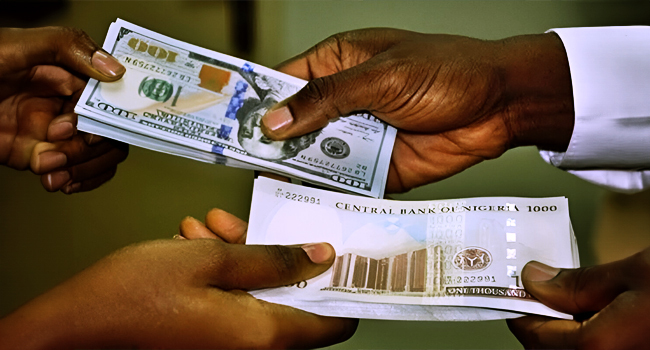
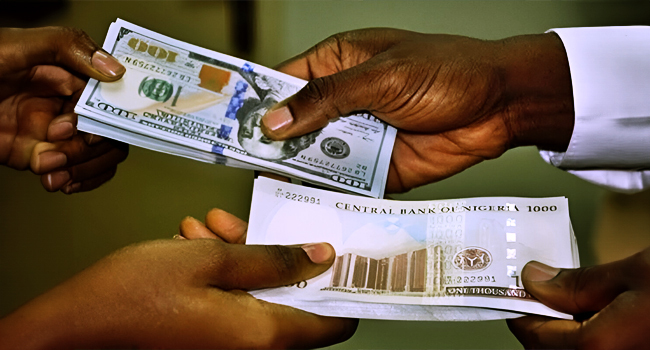
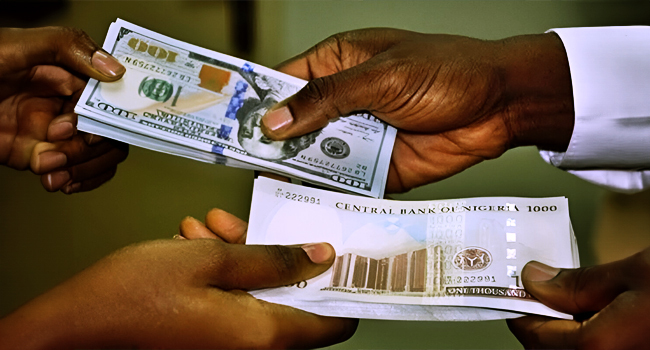
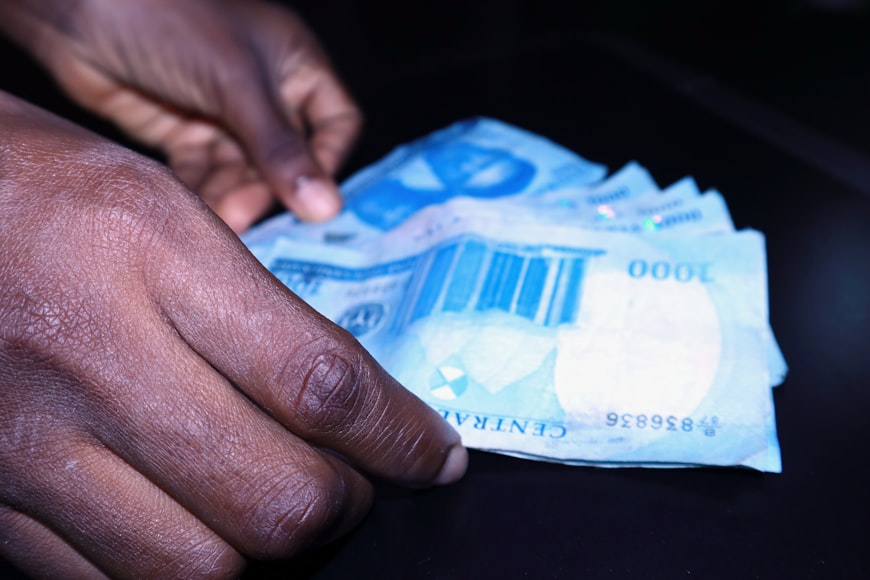
The Nigerian naira experienced a narrow trading session, starting the final day of the week at N1,366.5/$ in the foreign exchange market. The local currency faces a psychological and technical barrier at the N1,400/$ mark, supported by active central bank interventions. These measures include direct dollar sales to Bureau de Change operators and other authorized dealers to curb volatility.
Nigeria's external reserves stand at $52.5 billion, providing strong backing to counter speculative pressures. To further manage naira liquidity, the Central Bank of Nigeria has set the Cash Reserve Ratio at 45%. High interest rates from the Monetary Policy Committee's inflation-fighting hikes also help absorb excess liquidity from the banking system.
Technical Barriers and Future Outlook
Market analysts expect the naira to remain range-bound between N1,350/$ and N1,375/$ in the short term. However, maintaining this level depends on the central bank's ability to sustain high foreign exchange reserves and elevated interest rates. Increased interest from domestic and international investors in sovereign bonds and money market funds continues to support medium-term demand.
The currency pair faces a resistance zone of N1,420/$ to N1,450/$ in the event of sudden weakness. Breakouts above this level typically indicate temporary liquidity deficits or sudden spikes in corporate foreign exchange demand. Over the medium term, the naira is projected to have a slight depreciatory bias reflecting the inflation differential with the US dollar.
Global Factors and Oil Market Dynamics
In the global market, the US dollar index hovered near the 99.75 mark during Thursday's European session. Safe-haven demand remains elevated due to ongoing geopolitical discussions between the United States and Iran. Iranian Deputy Foreign Minister Kazem Gharibabadi stated that Iran and Oman are finalizing a plan to ensure trade traffic through the Strait of Hormuz, though this does not mean an automatic reopening.
Additionally, Kansas City Federal Reserve President Jeff Schmid indicated that tighter monetary policy may be required to bring inflation back to its 2.0% target. Market expectations for a Federal Reserve rate hike in September stand at 54.7%, according to the CME FedWatch tool. Despite these global tensions, energy analysts expect Brent crude to trade around $80 per barrel through the third quarter, which supports Nigeria's foreign exchange inflows.