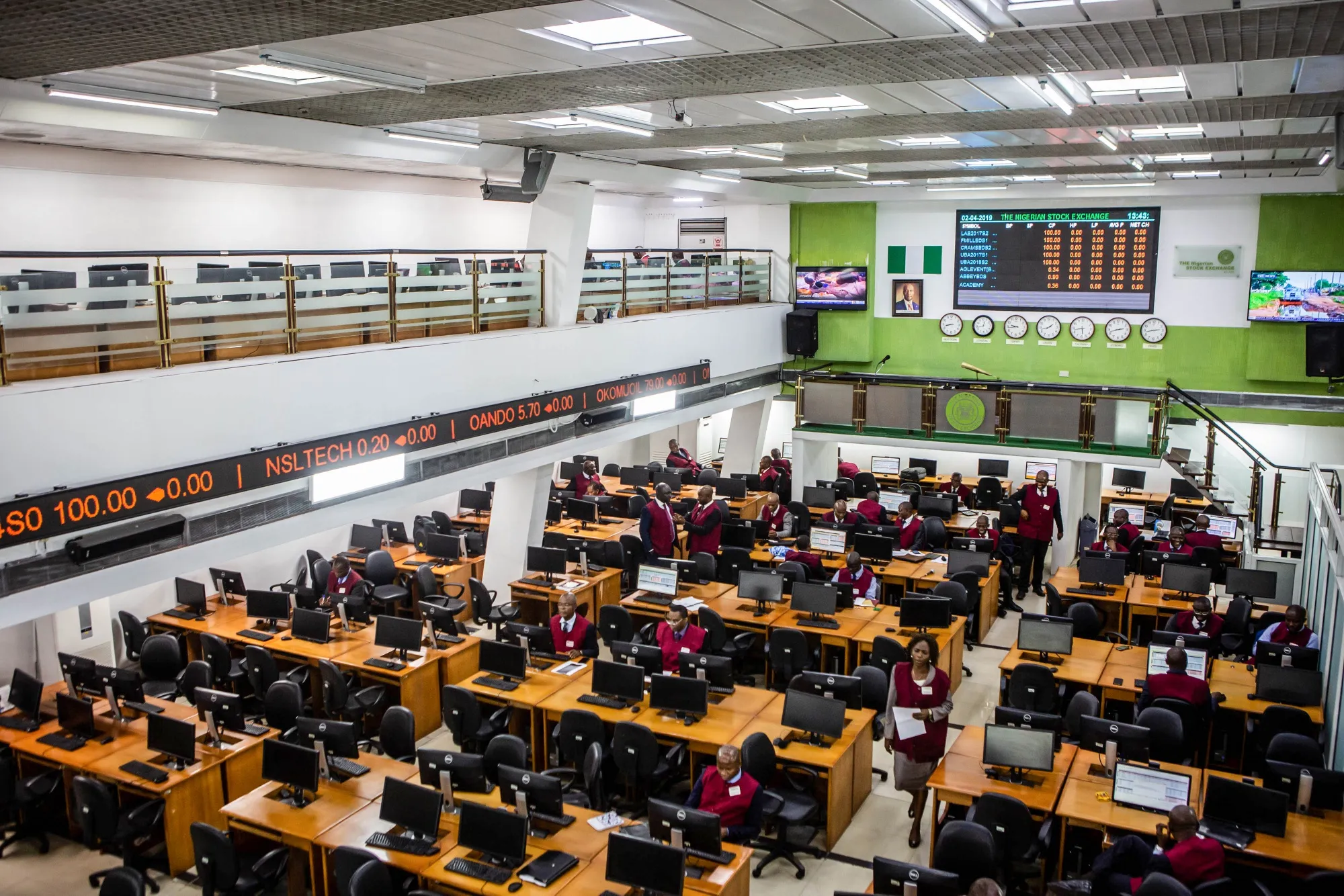
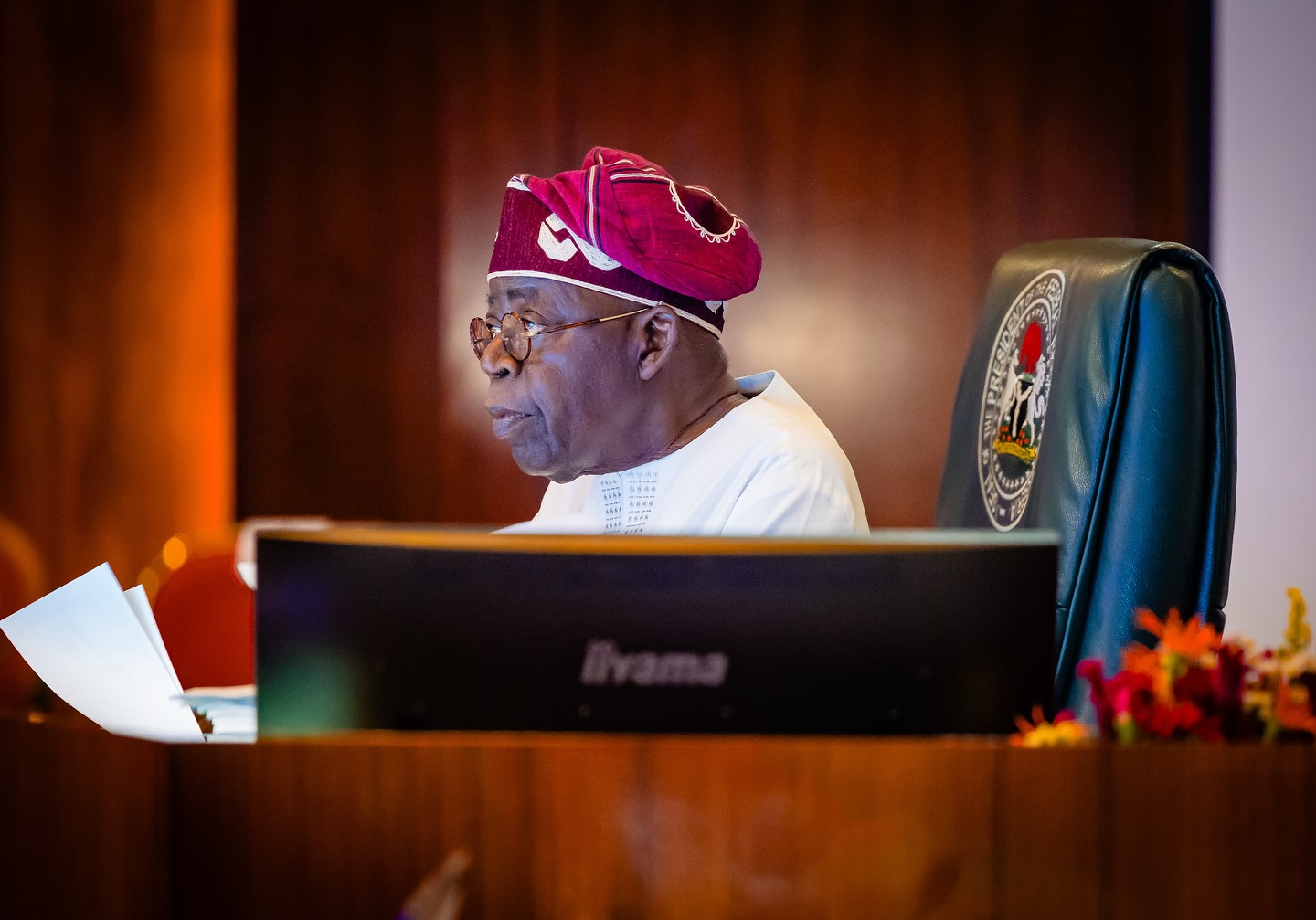
NGX Group leadership recently presented a scorecard to President Bola Tinubu at the Presidential Villa in Abuja, highlighting massive market growth. The exchange's market capitalization rose from N30 trillion in 2023 to N160 trillion today, while the All-Share Index climbed from 52,000 points to over 244,000 points.
The presentation also highlighted that the state-owned NNPC is now on a path to listing. In 2025, equity turnover more than doubled, helping NGX Group report N22.98 billion in revenue.
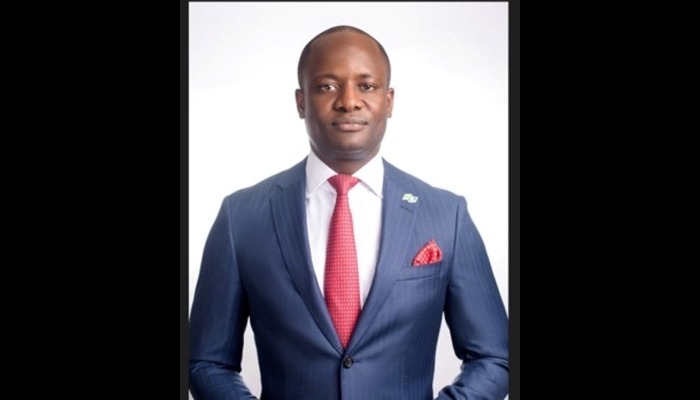
However, financial experts argue that these milestones are only the beginning if Nigeria is to achieve its goal of becoming a $1 trillion economy. Wale Salami, founder of the Midlothian Angel Network, notes that the exchange must transition from a mere marketplace to an active engine for capital formation.
Shifting the Capital Formation Strategy
Nigeria's nominal GDP stood at approximately $291 billion in 2025, according to the World Bank. The International Monetary Fund projects this figure to rise to about $377 billion in 2026, indicating that the country is steadily moving beyond its historical economic scale.
To support this growth, Salami argues that the capital market must efficiently channel pension assets and private equity into productive sectors. He points to global benchmarks like the New York Stock Exchange and the Johannesburg Stock Exchange, which built deep ecosystems of pension funds, investment banks, and research to drive regional growth.
Retaining High-Growth Startups
A major challenge facing the local ecosystem is the lack of a clear exit pathway for successful startups. Currently, when a Nigerian company scales to a valuation of $500 million or $1 billion, it often seeks public capital outside the country.
Salami emphasizes that a seamless pipeline from angel investors, venture capital, and private equity to an NGX listing is crucial. This structure would allow local pension funds and retail investors to benefit from the growth of home-grown businesses.
Achieving this requires unified action from the government, regulators, pension managers, and banks. Salami challenges NGX leadership to position Lagos as a primary financial hub capable of attracting listings from across Accra, Nairobi, Kigali, and Johannesburg.