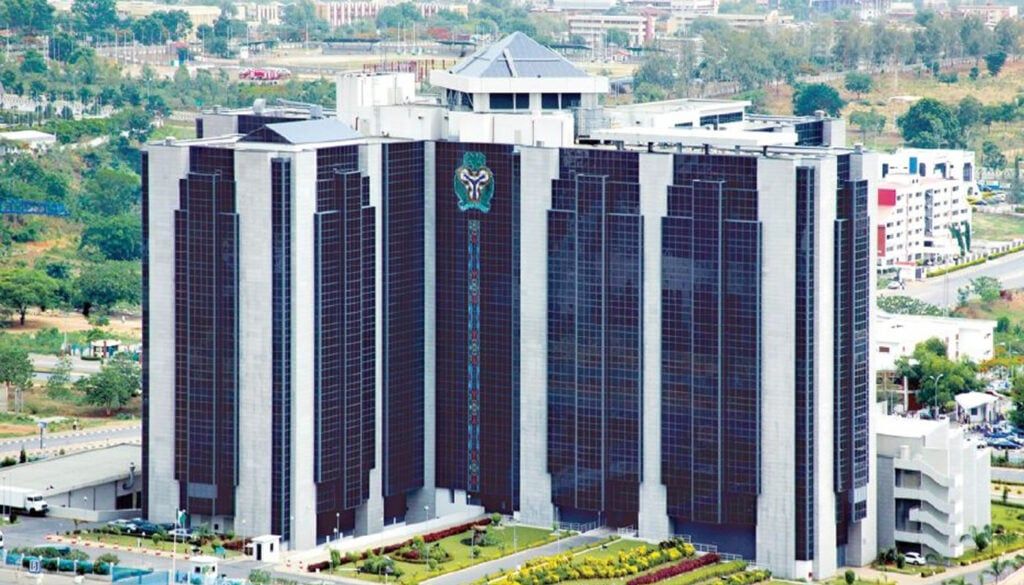
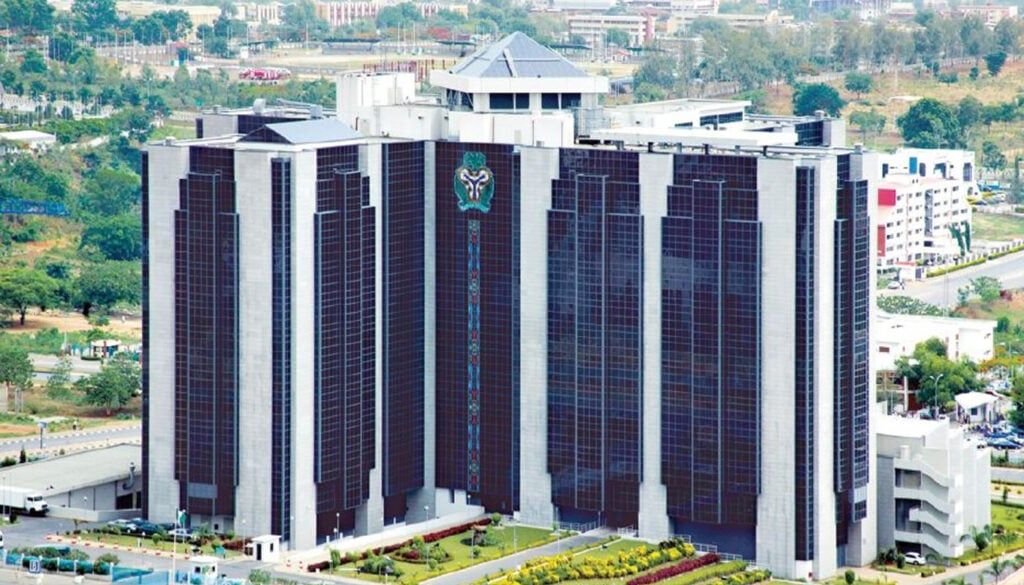
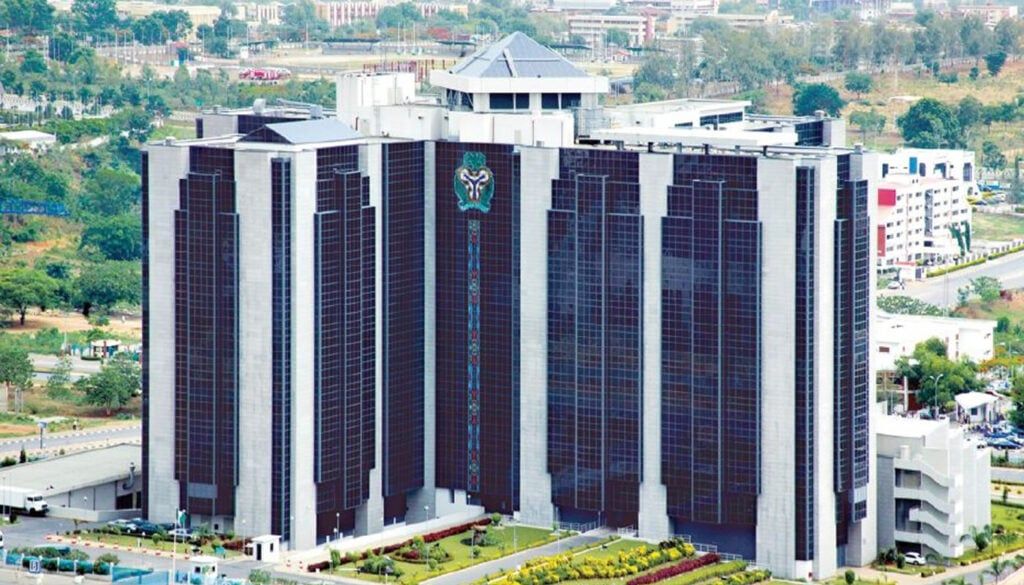
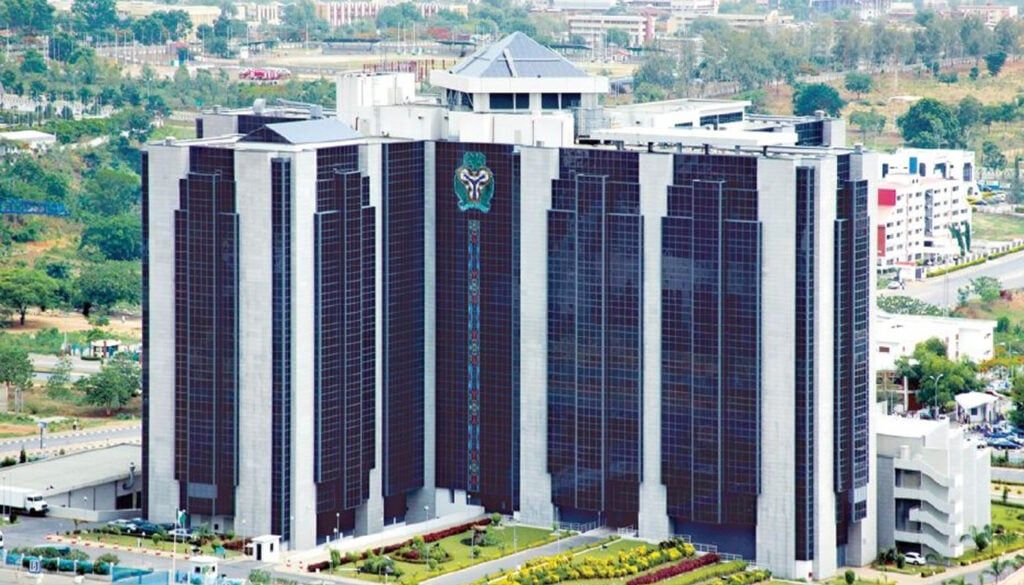
The Central Bank of Nigeria has announced plans to recapitalize and restructure its Development Finance Institutions (DFIs). This initiative is a key strategy to address the substantial financing gap that micro, small, and medium enterprises (MSMEs) in Nigeria are currently facing.
Muhammad Sani Abdullahi, the Deputy Governor for Economic Policy at the CBN, revealed these plans during a panel session at the World Bank's Nigeria Development Update launch in Abuja. He stated that a recent review by the apex bank indicated that the existing asset base of DFIs is insufficient to meet the credit demands of businesses.
Abdullahi highlighted that the total asset base of all DFIs in Nigeria is currently over N8 trillion. However, the estimated development finance needed for MSMEs is more than N130 trillion, underscoring a critical shortfall.
The CBN recognizes that simply injecting capital into these institutions is not enough. The focus is on making DFIs more bankable and attractive for investment, thereby improving their operational effectiveness and capacity to serve MSMEs.
The CBN is collaborating with the Ministry of Finance to overhaul the structure of DFIs. This reform aims to correct existing incentives, enhance the risk appetite of these institutions, and ensure a significant improvement in their capital base.
A core objective of the planned reforms is to integrate stronger market-based principles into the operations of DFIs. The CBN believes that past operational models have not been effective and that incorporating more market fundamentals is essential for success.
Furthermore, the CBN official linked these reform efforts to the recent banking sector recapitalization, which raised N4.6 trillion. He anticipates that this increased capital within the banking system will lead to greater lending capacity and more available credit across the economy.
However, Abdullahi emphasized that the CBN will not direct banks on specific lending decisions, allowing market forces to guide credit allocation.