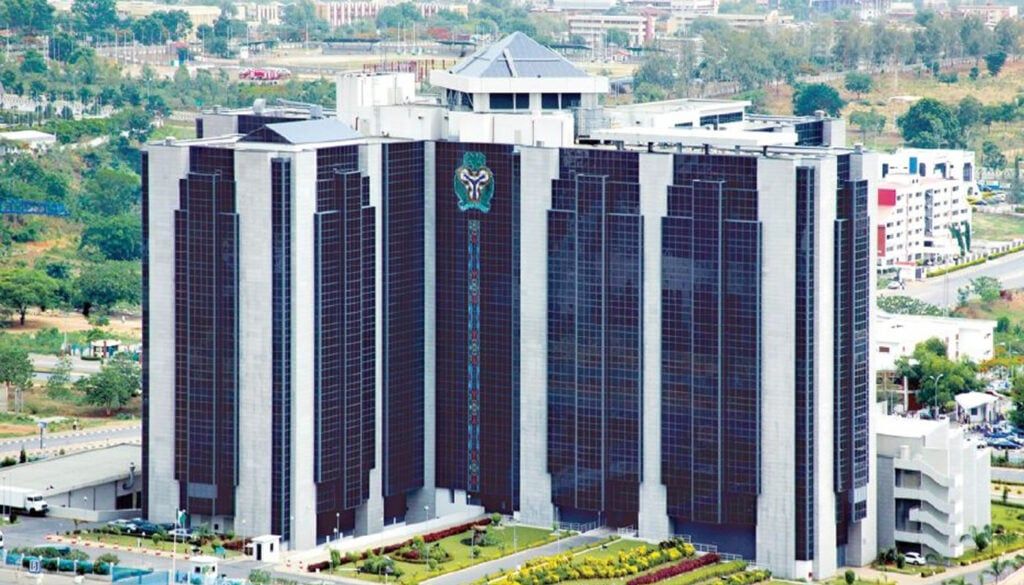
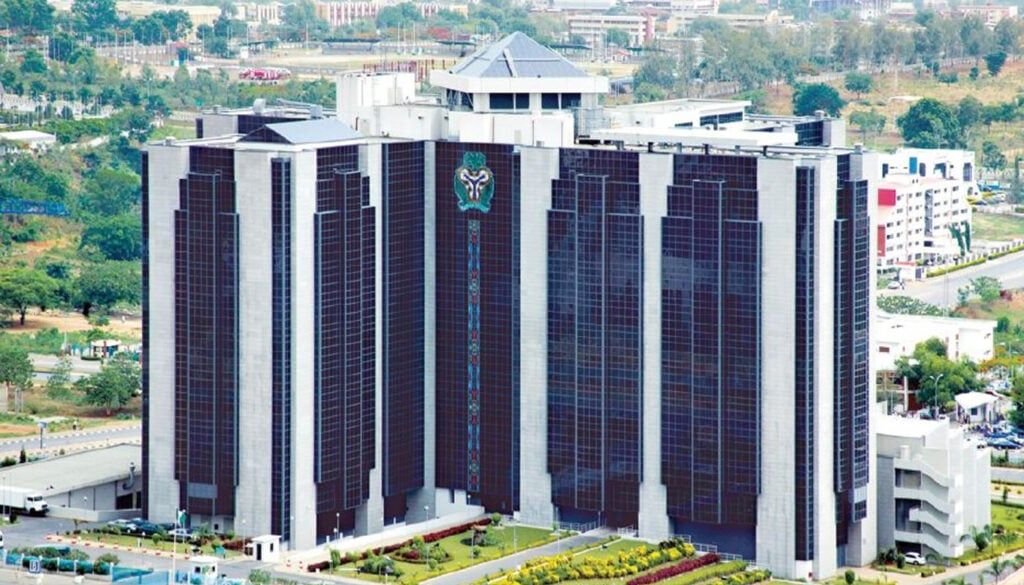
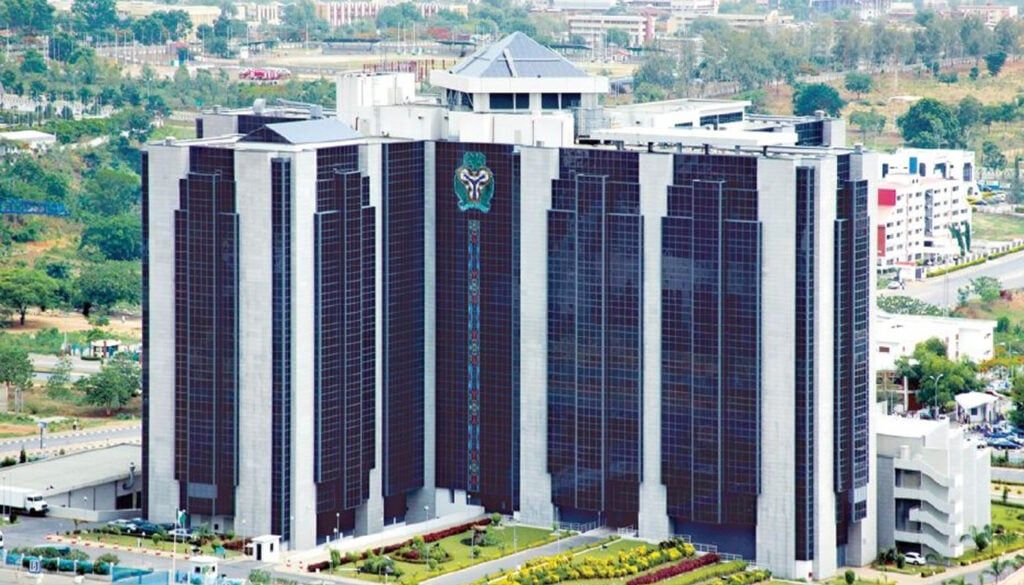
The Central Bank of Nigeria (CBN) has announced plans to recapitalize and restructure its Development Finance Institutions (DFIs) as a strategic move to bridge the substantial financing gap faced by Micro, Small, and Medium Enterprises (MSMEs) in the country.
According to Muhammad Sani Abdullahi, the Deputy Governor for Economic Policy at the CBN, a recent review indicated that the current asset base of all DFIs in Nigeria, totaling over N8 trillion, is insufficient to meet the development finance needs of MSMEs, which are estimated to require over N130 trillion.
Abdullahi stated that addressing this gap requires more than just public sector capital injection; it necessitates making these institutions more bankable and investable. The CBN is actively working with the Ministry of Finance to overhaul the structure of DFIs, focusing on correcting incentives, improving risk appetite, and enhancing capital adequacy.
The planned reforms aim to introduce stronger market-based principles into the operations of DFIs, moving away from past approaches that have proven ineffective. The CBN official also linked these reform efforts to the recent banking sector recapitalization, which raised N4.6 trillion. This capital infusion is expected to boost the lending capacity across the financial system, providing more credit availability for businesses.
In parallel, Nigeria's financial markets are seeing positive shifts. FTSE Russell has announced the reclassification of Nigeria from "Unclassified" to "Frontier market status," effective September 2026. This move is anticipated to attract increased foreign capital into the Nigerian stock market, which has already seen a significant rally of over 29% this year.
The Nigerian Exchange Group Plc (NGX Group) GMD/CEO, Temi Popoola, described the reclassification as a significant milestone, reflecting improvements in market infrastructure, transparency, and investor accessibility. The CBN itself has been recognized at the Central Banking Awards 2026 for its role in supporting foreign exchange market reforms through the deployment of the BMatch system, enhancing efficiency and price discovery.
Despite these positive developments, the Naira has experienced weakening, trading at N1,389 per dollar, accompanied by a decline in external reserves by approximately $850 million over three weeks. This occurred as the Naira fluctuated between N1,381/$ and N1,390/$ in intraday trading.
Meanwhile, pension assets in Nigeria have shown strong growth, reaching N29.43 trillion in February 2026, a month-on-month increase of N1.39 trillion, marking the strongest monthly expansion since the Contributory Pension Scheme's inception. Investments in domestic equities rose to N5.41 trillion, while foreign equity exposure remained cautious.
In the industrial sector, the 2026 federal budget shows a disparity in allocations, with the Ministry of Steel Development receiving N14.68 billion and the Ministry of Solid Minerals Development receiving N8.80 billion, suggesting a priority towards reviving the steel industry.