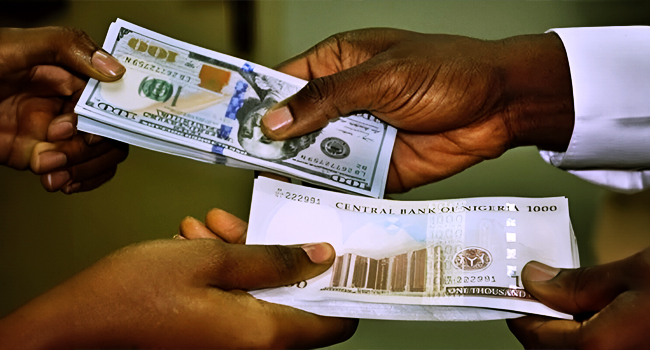
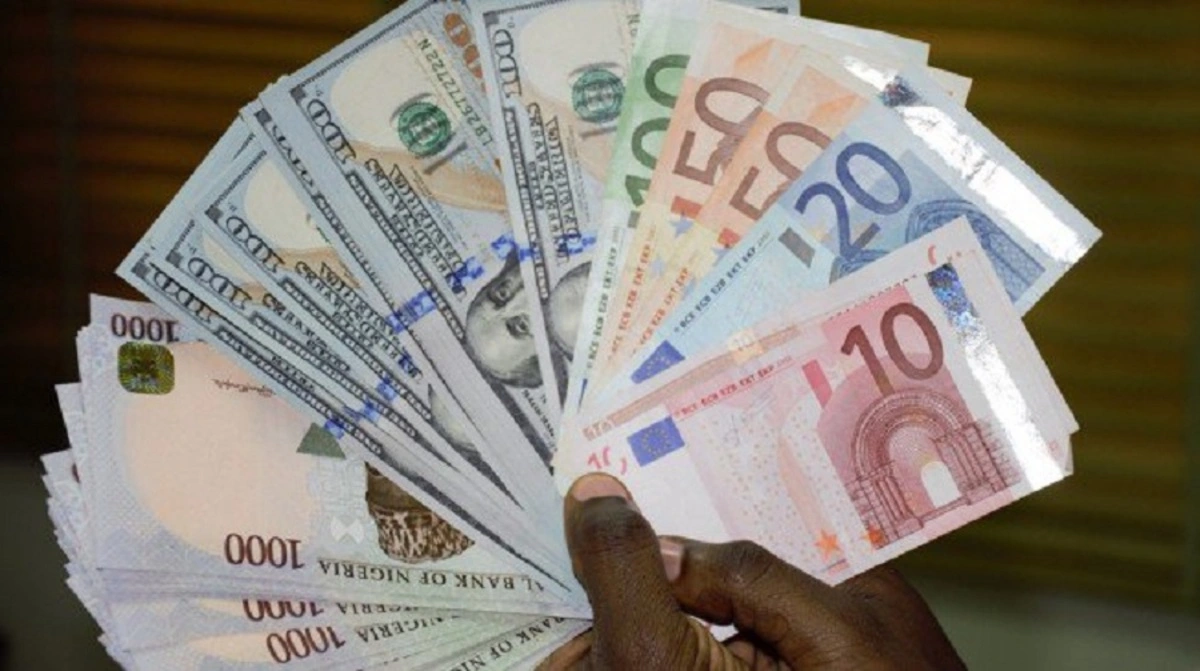
Nigeria's economy between 2016 and 2026 was characterized by a compounding of several crises, rather than a single event. This is according to a recent report by Commercio Partners, which details a decade marked by significant economic challenges.
The period saw three oil shocks, two major global wars, a global pandemic, structural currency misalignment, the removal of fuel subsidies, and the most aggressive monetary-tightening cycle in modern Nigerian history. These events unfolded against a backdrop of weak infrastructure, rising population pressure, and a naira that lost nearly 90% of its dollar value.
The result was an economy that grew in nominal terms, but where the lived experience of most Nigerians deteriorated. Wages rose while purchasing power fell, and inflation moved to the mid-thirties. Reserves improved and collapsed in cycles, reflecting the volatile economic environment.
The Commercio Partners report tells this story across three dimensions: a macro chronicle tracing the cycle year by year, structural shifts examining changes in how Nigerians earn, spend, and survive, and the market reality analyzing how investors navigated the decade.
The Decade That Changed Money
The decade did not arrive as one coherent story, but rather in three distinct waves, each with its own logic, policy response, and price paid by households and investors alike.
PHASE 1: 2016–2019
Nigeria entered 2016 on the back foot, facing a fiscal emergency as crude production dropped due to Niger Delta militancy and global oil prices fell. The Central Bank of Nigeria (CBN) responded with a managed exchange rate and tight FX restrictions, which preserved the official rate but drove businesses to the parallel market and choked off foreign investment.
The spread between official and unofficial rates widened to as large as ₦8/$, and inflation surged from 9.55% to 18.55%. The economy contracted by 1.51% in 2016.
Recovery began tentatively in 2017, with Brent crude averaging around $54. The CBN's introduction of the Investors’ and Exporters’ (I&E) FX Window was a pragmatic concession to market pricing, attracting foreign investors and narrowing the spread. GDP expanded 0.82%, and the All-Share Index surged by 42.3%.
By 2018, growth reached 1.93%, driven by non-oil sectors, and inflation fell to 11.44%. Foreign reserves peaked at nearly $43.1 billion. However, gains were uneven due to farmer-herder conflicts and insecurity, which kept food inflation elevated.
Pre-election uncertainty in 2019 delayed investment, and a land border closure in August disrupted food supplies, reversing much of the progress on inflation. The CBN burned through dollars defending the naira at ₦307/$, maintaining stability at a cost that would compound.
PHASE 2: 2020–2021
COVID-19 arrived in an already-stretched economy, causing Brent crude to crash to $22 in March 2020. Lockdowns simultaneously compressed trade, mobility, and tax revenue, leading Nigeria to contract 1.92%, its second recession in four years.
The Federal Government launched a ₦2.3 trillion Economic Sustainability Plan, while the CBN cut the Monetary Policy Rate (MPR) from 13.5% to 11.5% and introduced a ₦50 billion SME credit facility. These necessary interventions, however, injected money into a supply-constrained, import-dependent economy, planting the seeds of future inflation.
The stock market jumped 50% in 2020, not due to economic improvement but because money had nowhere else to go as Treasury bill yields collapsed. Investors scrambled for any asset offering a return above the vanishing fixed-income floor.
Meanwhile, the naira drifted to ₦380/$ at the official rate as reserves fell to $35.4 billion. GDP grew 3.40% in 2021, the strongest since 2014, but this recovery was driven by easy money rather than structural transformation. Oil production remained weak despite higher prices, and inflation, which peaked at 18.17% in March, settled at 15.63% by year-end, with food prices remaining a persistent concern.