Nigeria’s total public debt rose to N159.35 trillion as of March 31, 2026, according to the latest data released by the Debt Management Office (DMO). This represents a marginal quarter-on-quarter increase from the N159.28 trillion recorded at the end of December 2025. While the debt stock grew by N75.51 billion in local currency terms, the dollar value rose by $3.98 billion to $114.95 billion, reflecting new borrowing offset by exchange rate movements.
Domestic debt remains the dominant component of the country's debt profile, accounting for 54.85% of the total portfolio. External debt represents the remaining 45.15% of the total public debt stock.
Domestic Borrowing Drives Debt Expansion
The increase in Nigeria's debt stock during the first quarter of 2026 was almost entirely driven by domestic borrowing. Total domestic debt rose from N84.85 trillion in December 2025 to N87.40 trillion in March 2026, representing a quarterly increase of 3.01%. On a year-on-year basis, domestic debt expanded by N8.64 trillion, or 10.98%, from the N78.76 trillion recorded in March 2025.
The Federal Government accounted for the bulk of this domestic expansion, with its domestic debt rising by N2.39 trillion to N82.88 trillion during the quarter. State governments and the Federal Capital Territory saw their domestic debt increase by 3.74% to N4.52 trillion, up from N4.36 trillion in December 2025.
Among domestic instruments, Nigerian Treasury Bills experienced the sharpest growth, climbing 19.6% from N13.85 trillion to N16.57 trillion within the three-month period. This raised their share of the Federal Government's domestic debt portfolio to 19.99%. Conversely, FGN Bonds declined marginally by 0.28% to N63.45 trillion, though they still represent 76.56% of total FGN domestic debt.
Other domestic debt instruments showed mixed performance. FGN Sukuk remained unchanged at N1.19 trillion, while Savings Bonds increased by 11.39% to N116.21 billion. Green Bonds remained flat at N62.36 billion, and Promissory Notes declined by 10.28% to N1.39 trillion, which includes N300.41 billion in naira-denominated and N1.08 trillion in foreign currency-denominated notes. An additional N100 billion was held in other instruments, including the UFTF FGN Security.
Stronger Naira Lowers External Debt Valuation
Nigeria's external debt remained relatively stable in dollar terms, rising by just $48.05 million to $51.90 billion in March 2026. However, in local currency terms, external debt fell by N2.48 trillion to N71.95 trillion. This decline was entirely due to exchange rate gains, as the DMO converted the debt using the Central Bank of Nigeria's official rate of N1,386.22/$ in March 2026, compared to N1,435.26/$ in December 2025.
Multilateral lenders remain Nigeria's largest external creditors, accounting for $23.86 billion, or 45.96% of the external debt portfolio. The International Development Association of the World Bank Group is the largest multilateral creditor with $18.39 billion outstanding.
Commercial debt, primarily consisting of Eurobonds, stood at $18.55 billion, representing 35.73% of the external portfolio. Bilateral debt accounted for $6.59 billion, with China Exim Bank holding $4.95 billion and China Development Bank holding $507.52 million. Syndicated loans and other commercial facilities made up the remaining $2.86 billion.
Long Term Debt Trajectory Under Tinubu
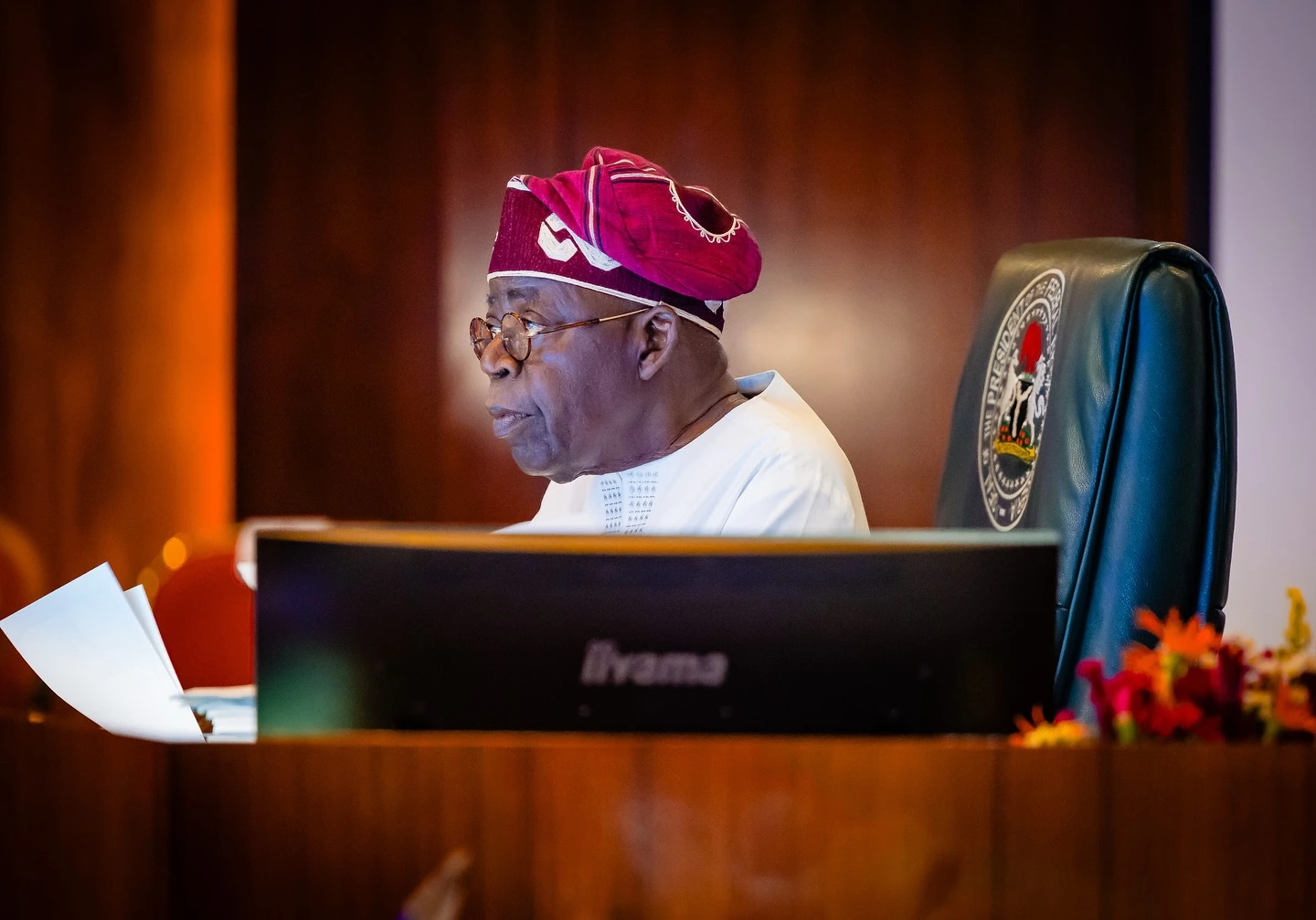
Nigeria's public debt has risen significantly since President Bola Tinubu took office, when the debt stock stood at N87.38 trillion as of June 30, 2023. Between December 2023 and December 2025, external debt rose from $42.49 billion to $51.86 billion, while domestic debt increased from N59.1 trillion to N89.4 trillion. The fiscal deficit for 2024 also expanded sharply to N13.51 trillion, exceeding the legal threshold set by the Fiscal Responsibility Act of 2007.
Looking ahead, the Federal Government has increased its planned borrowing for 2026 to N29.20 trillion to fund a widening fiscal deficit. This represents an N11.31 trillion increase from the N17.89 trillion initially projected in the 2026 Abridged Budget Call Circular issued in December 2025.