Nigerian manufacturers regained confidence in the business environment during the second quarter of 2026. The Manufacturers Association of Nigeria (MAN) disclosed this in its latest Manufacturers’ CEOs Confidence Index (MCCI) report.
The aggregate index rose by 3.4 points to reach 52.1, up from the 48.7 recorded in the first quarter of 2026. This recovery pushes the index back above the 50-point neutral benchmark, indicating renewed optimism among industrial executives.
MAN attributed the improved sentiment to expectations surrounding the commercial environment. This outlook was supported by recent policy measures, including the Nigeria Tax Act 2025, the Nigeria Industrial Policy, and the "Nigeria First" Policy.
Sector Performance and Future Projections
The recovery in confidence was uneven across different manufacturing sub-sectors. The Motor Vehicle and Miscellaneous Assembly sector recorded the highest confidence level at 69.4, rising sharply from 41.3 in Q1 2026.
Wood and Wood Products followed at 66.7, while Textile, Apparel, and Footwear reached 58.3. Conversely, Pulp, Paper, Printing, Publishing, and Packaging recorded the lowest confidence level at 38.6. Electrical and Electronics stood at 42.5, and Chemicals and Pharmaceuticals registered at 47.7.
Looking ahead to the third quarter of 2026, manufacturers expect further improvements. The projected business condition index for Q3 stands at 55.6, while employment conditions and production levels are estimated at 55.2 and 63.0, respectively.
Financing Constraints and Policy Recommendations
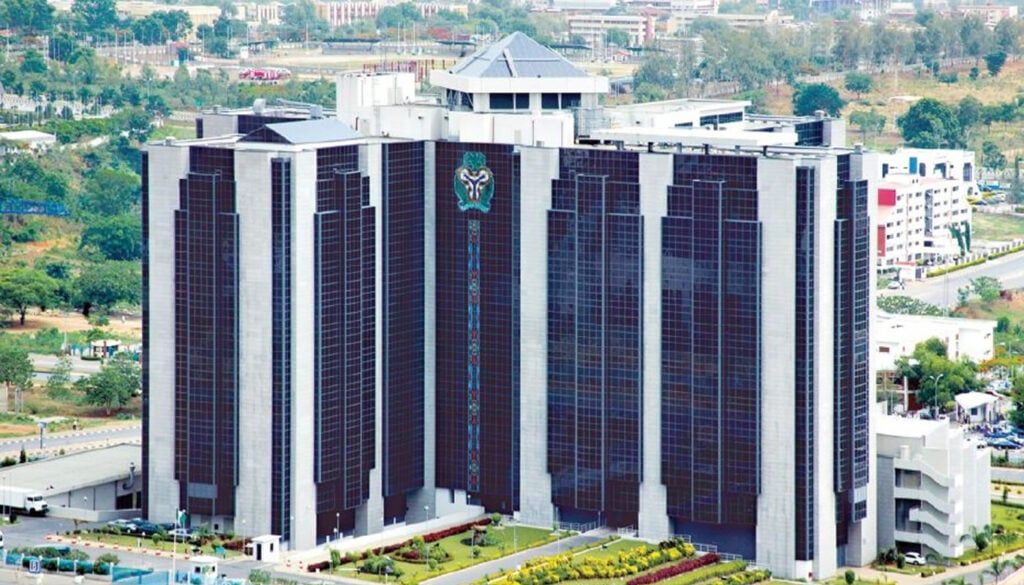
Despite the overall positive outlook, manufacturers identified limited access to finance as their primary operational bottleneck. The Central Bank of Nigeria (CBN) currently maintains the Monetary Policy Rate (MPR) at 26.5%, which has driven up commercial lending rates.
To alleviate these funding pressures, MAN recommended that the CBN reduce the MPR below 20%. The association also called for priority foreign exchange allocation to help manufacturers import critical machinery, spare parts, and raw materials.
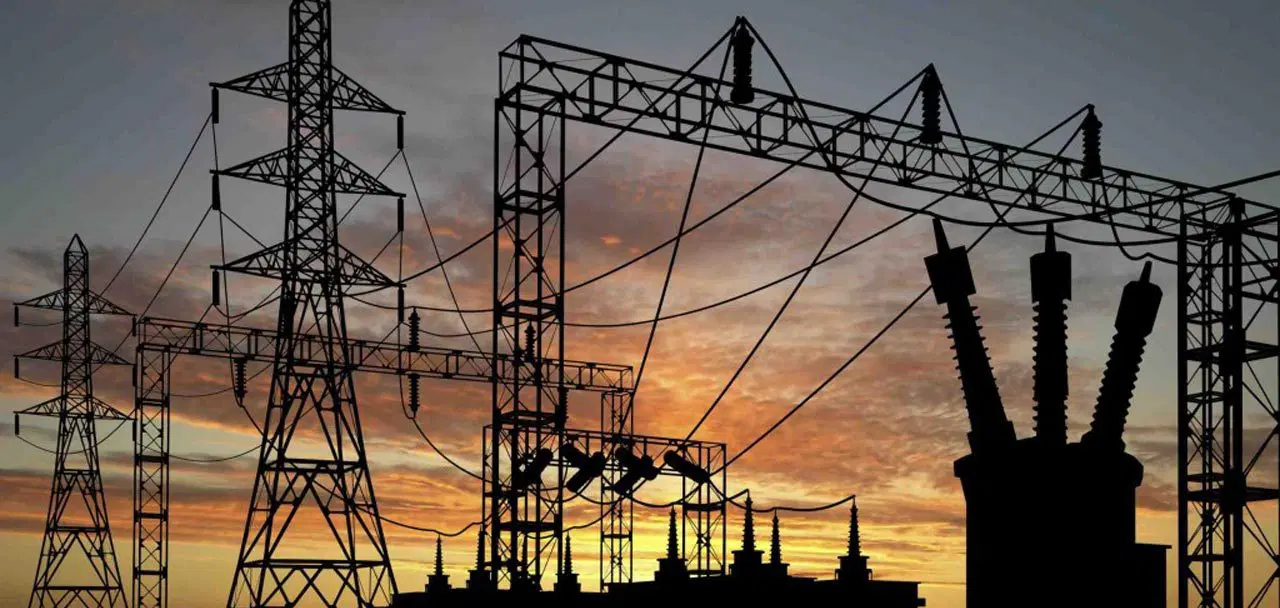
The broader industrial recovery remains tied to structural reforms, particularly in the power sector. Industrialists like Aliko Dangote have repeatedly emphasized that reliable electricity supply is vital to sustaining manufacturing growth.
Additionally, the sector continues to engage with federal policies. In April, MAN Director-General Segun Ajayi-Kadir rejected a World Bank recommendation to reinstate petrol import licenses, warning that such a move could lead to deindustrialisation and harm local refining capacity.