The Nigeria Customs Service has generated N4.03 trillion in revenue during the first half of 2026. This performance puts the agency significantly ahead of its mid-year projections and on course to meet its annual target.
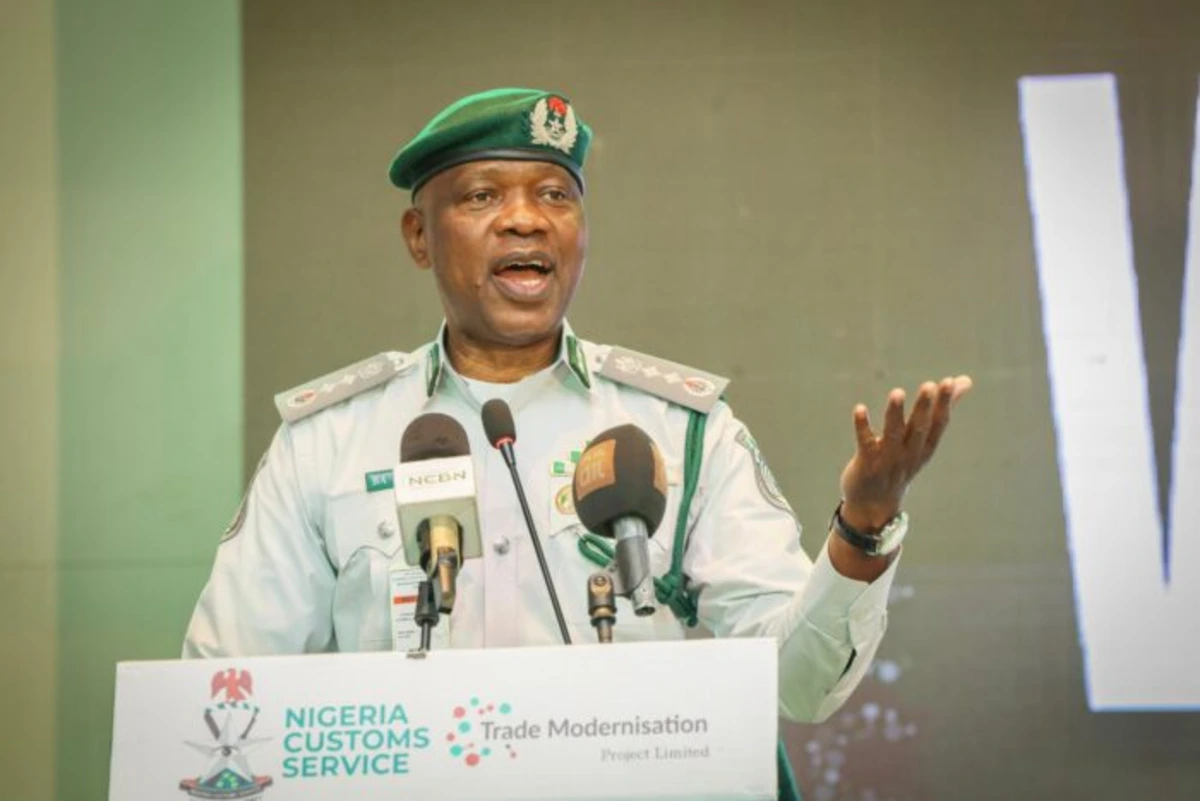
Comptroller-General Dr. Adewale Adeniyi attributed the growth to automation, intelligence-led enforcement, and the removal of human discretion from core customs processes. He noted that replacing manual interventions with standardized rules and risk-based systems has blocked major revenue leakages.
Automation Drives Revenue Growth
According to Adeniyi, the decision to deploy technology and build trust with compliant traders has been the primary driver of the revenue improvement. The agency has adopted Time Release Studies to measure and reduce cargo clearance times at ports and borders, which is lowering costs for businesses.
Additionally, the agency is utilizing geospatial intelligence, digital surveillance, and inter-agency coordination to transform its border security operations.
Legislative Backing and Budget Breakdown
The Senate approved the customs 2026 budget on July 8, 2026, which includes the N11.074 trillion revenue target and an expenditure estimate of N1.295 trillion. This target is a substantial increase from the N6.584 trillion target set for 2025, which the agency surpassed by collecting N7.277 trillion.
The N11.074 trillion target for 2026 is broken down into N5.542 trillion for the Federation Account, N1.491 trillion from non-Federation revenue, N2.773 trillion from Import VAT, and N1.266 trillion from the four percent Free-on-Board levy.
Prior to this, the agency had already generated N3.35 trillion between January and May 2026, as disclosed during a joint security briefing organized by the Office of the National Security Adviser.
Policy Reviews and Trade Reforms
To sustain this momentum, the customs service is pushing for a review of policies affecting trade and revenue mobilization. The agency recently urged the National Assembly to review Nigeria's import waiver and concession regime to determine if the incentives still justify their fiscal cost.
Adeniyi also called for a post-implementation review of the Nigeria Customs Service Act 2023. He argued that three years of implementation have provided enough experience to identify provisions that require refinement as the trade environment evolves.