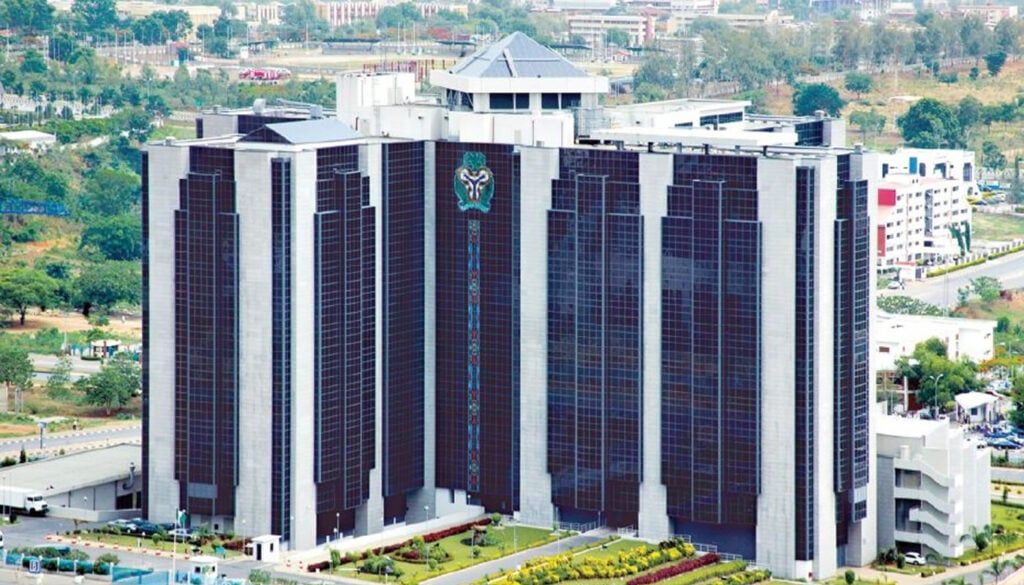
Business confidence among Nigerian firms experienced a moderation in June 2026, primarily driven by escalating operational costs and broader macroeconomic pressures. This sentiment shift was revealed in the latest Business Expectations Survey (BES) published by the Central Bank of Nigeria (CBN).
The Business Confidence Index (BCI) saw a slight decline, moving to 7.2 points in June from 7.9 points recorded in May. Despite this moderation, formal sector businesses maintained an overall positive outlook, buoyed by ongoing government economic reforms and diversification initiatives.
Sectoral Performance Varies
The survey highlighted varied performance across economic sectors. The Mining and Quarrying sector emerged as the most optimistic, registering a confidence score of 42.9 points. This sector also reported the highest Average Capacity Utilisation (ACU) rate at 58.5%, with 84.6% of firms planning near-term operational expansion.
Agriculture also saw improved sentiment, as its confidence index rose to 12.2 points in June from 9.4 points in May. In contrast, the Industrial sector's confidence eased to 10.9 points from 12.5 points, while the Services sector experienced a significant slowdown, dropping to 2.9 points. Across all sectors, the average capacity utilisation remained largely stable, declining marginally to 55.3% from 55.9% in the preceding month.
Outlook and Challenges
Businesses anticipate a steady improvement in the macroeconomic outlook over the coming months. The index is projected to rise to 17.6 points in July, 24.1 points over the next three months, and 30.9 points within six months. Key drivers of this optimism include structural economic diversification, cited by 38.3% of respondents, and government fiscal measures, highlighted by 16.2%.
However, persistent energy supply challenges, accounting for 23.4% of dampening factors, and global geopolitical risks, noted by 16.5% of respondents, continue to weigh on operations. Despite expectations of increased business activity and stronger order volumes in July, with index readings of 13.3 points and 12.8 points respectively, the Employment Outlook Index for the next month remained negative at -8.3 points.
This suggests firms are prioritizing cost management and capital preservation over workforce expansion, with tight borrowing conditions and private sector borrowing indices between 20 and 22 points limiting expansion plans through the remainder of 2026.
Regional Disparities
The survey also revealed notable regional differences in business confidence across Nigeria. The North-East geopolitical zone recorded the strongest sentiment, achieving a confidence score of 29.5 points. The North-West followed with 19.8 points.
Conversely, parts of southern Nigeria showed weaker business conditions, with the South-South recording a negative confidence index of -7.9 points and the South-East posting -9.0 points. On the monetary front, respondents expressed optimism regarding exchange rate stability, expecting a gradual appreciation of the naira against the U.S. dollar in the medium term.