Nigeria's overnight funding market experienced a significant surge in trading activity through May and June 2026, with total traded volume reaching N97.45 trillion in June. This figure marks the highest monthly turnover recorded since the market's inception, according to data from the Central Bank of Nigeria (CBN).
Despite this substantial increase in market participation, the Nigerian Overnight Financing Rate (NOFR), the benchmark for unsecured overnight borrowing costs, demonstrated remarkable stability, holding firm at 22.00% for the majority of the review period.
Market Activity Soars
An analysis of daily NOFR market data from April 13 to July 9, 2026, reveals a sharp uptick in transaction volumes. Total traded volume climbed 42.58% month-on-month to N96.36 trillion in May from N67.58 trillion in April. This momentum continued into June, with volumes edging up 1.13% to N97.45 trillion.
The average daily market volume also strengthened, rising by 10.9% to N5.35 trillion in May from N4.83 trillion in April. While it moderated slightly to N4.64 trillion in June, these figures indicate robust participation in the overnight market without corresponding pressure on short-term funding costs.
Several trading sessions recorded unusually strong activity. May 6 posted the highest daily volume of the review period at N7.32 trillion, followed by May 19 at N6.77 trillion, May 5 at N6.67 trillion, and May 26 at N6.57 trillion. April's busiest session was April 30 with N6.16 trillion, while June peaked at N5.61 trillion on June 3. Conversely, July 3 recorded the lowest daily volume at N2.99 trillion, with May 21 and June 8 posting relatively subdued activity at N3.13 trillion and N3.19 trillion, respectively.
Rate Stability Amidst High Volume
Despite the heightened activity, the NOFR remained exceptionally stable, closing at exactly 22.00% on 59 of the 62 trading days captured by the CBN data. The rate edged up only three times: to 22.04% on April 15, 22.01% on April 16, and 22.02% on April 29.
The latest available figures for July 9 show a traded volume of N5.02 trillion, with transaction rates ranging between 21.00% and 22.00%, while the NOFR closed unchanged at 22.00%. Although individual transaction rates varied widely, with minimums falling as low as 20.00% and maximums reaching 32.00% on several occasions, these isolated trades had little influence on the weighted overnight benchmark, highlighting stable liquidity conditions across the interbank market.
Introduction of NOFR
The Nigerian Overnight Financing Rate (NOFR) serves as a key indicator of short-term liquidity conditions in the domestic money market. The Central Bank of Nigeria (CBN) officially introduced the NOFR on April 17, 2026, in collaboration with the Financial Markets Dealers Association (FMDA), following a stakeholder engagement held on February 27, 2026, where market participants formally adopted the benchmark.
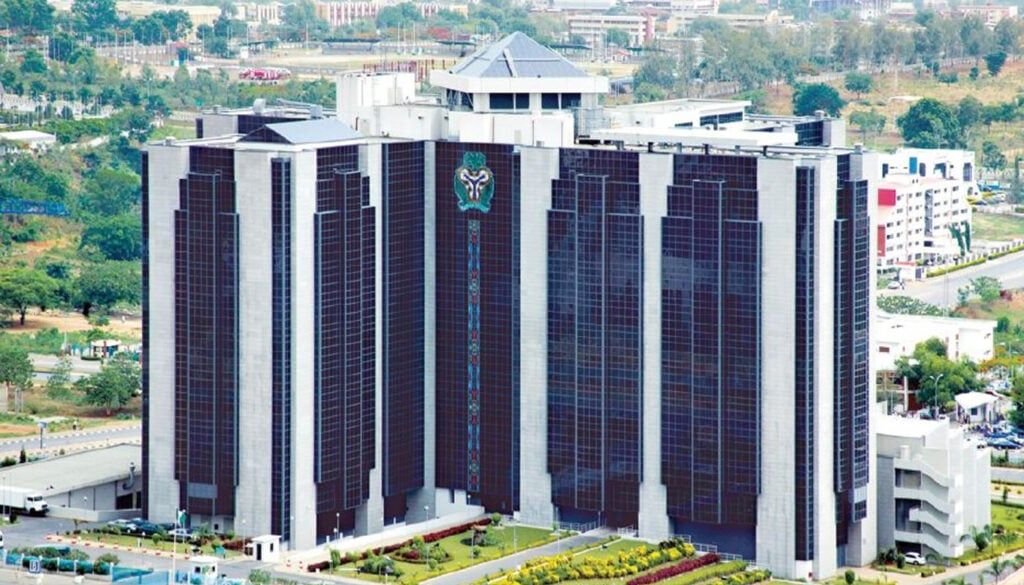
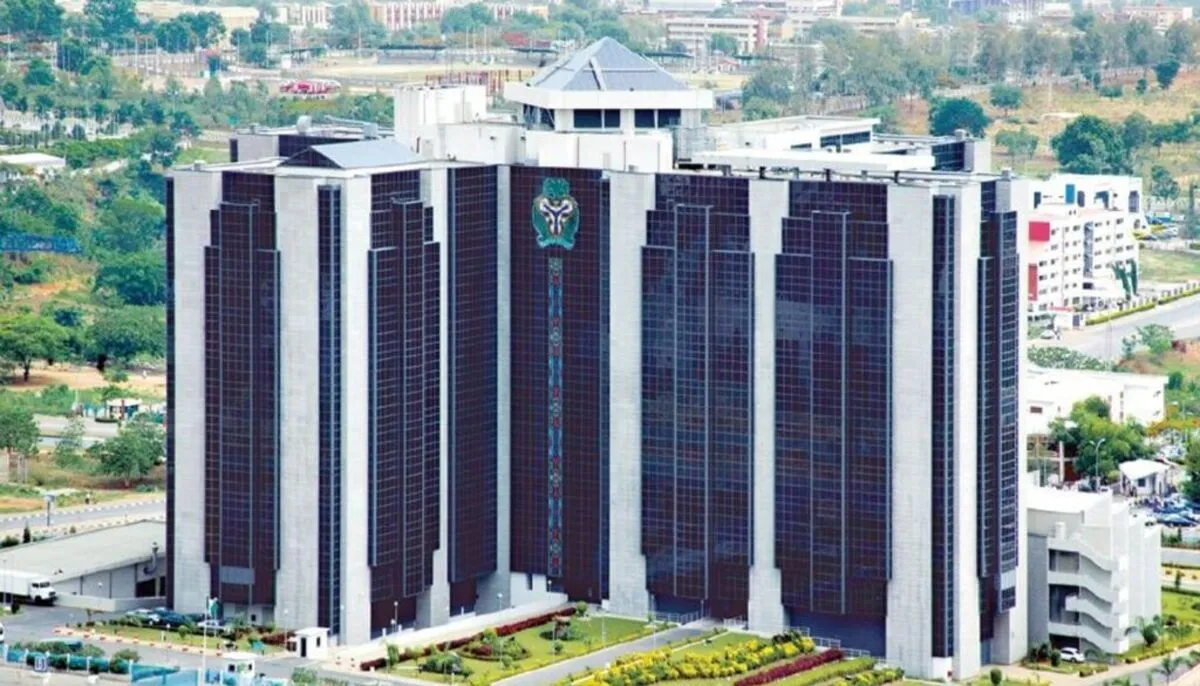
The formal public launch ceremony of NOFR took place on June 15, 2026, at the CBN headquarters in Abuja. During the event, CBN Governor Olayemi Cardoso described NOFR as a crucial reform aimed at enhancing transparency, improving monetary policy transmission, and aligning Nigeria’s money markets with global benchmark reforms such as SOFR (U.S.), SONIA (U.K.), €STR (Eurozone), and TONA (Japan).