The International Monetary Fund (IMF) has stated that economic reforms implemented in Nigeria over the past three years have successfully strengthened the country's macroeconomic stability and built resilience. However, the Fund also warned that poverty and food insecurity continue to be severe issues, impacting a significant portion of the population.
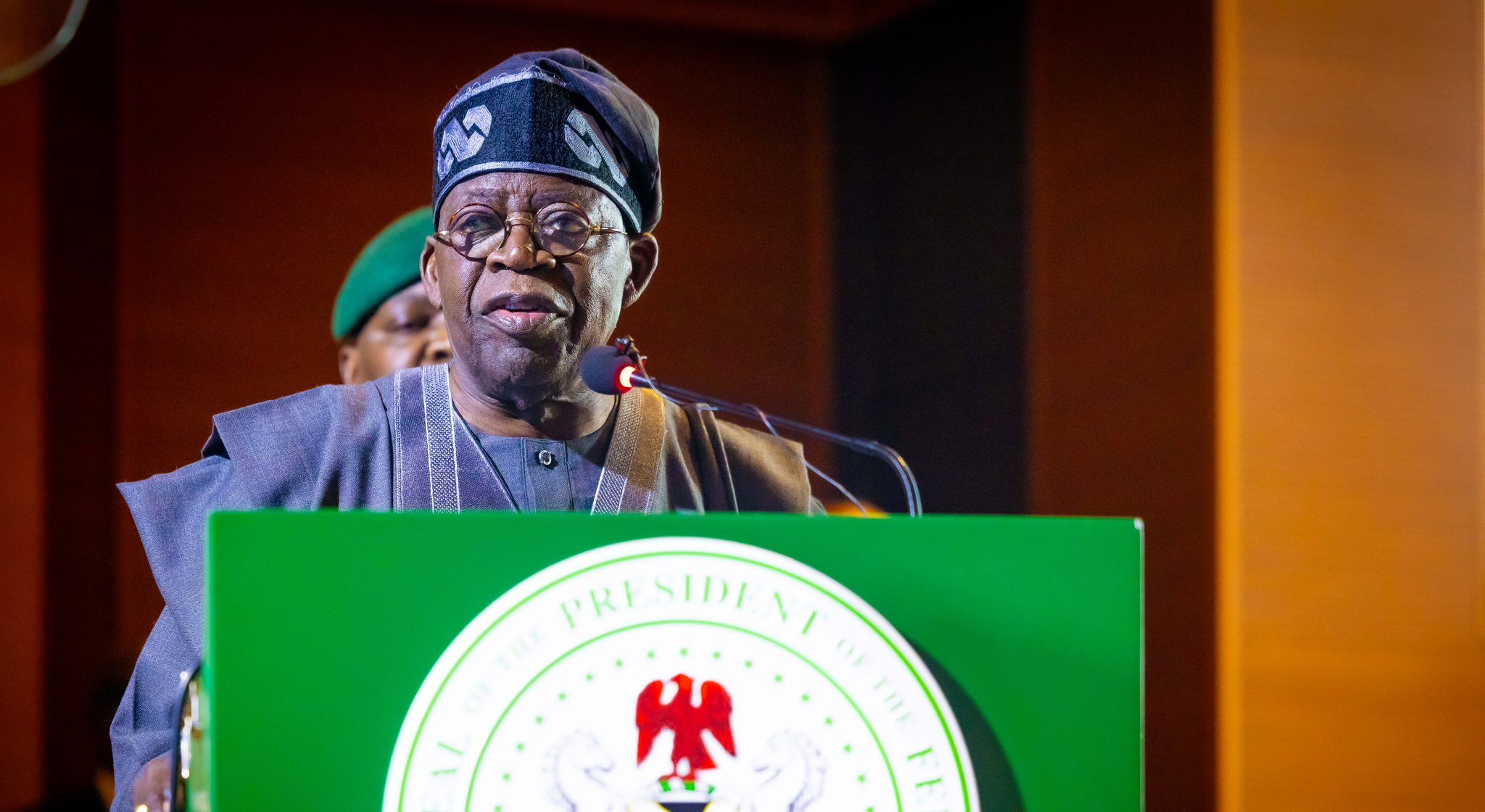
President Bola Tinubu's administration has undertaken major policy changes, including the removal of the costly fuel subsidy, liberalization of the exchange rate, and overhauling the tax system. While these changes are seen by economists as long overdue, poverty has risen, affecting an estimated 63 percent of Nigerians by the end of 2025. More than 27 million people faced food insecurity during the same period.
The IMF's annual review of the Nigerian economy noted that while reforms have yielded improved macroeconomic outcomes, conditions for many citizens remain difficult. The World Bank had previously reported that about 61 percent of the population lived in poverty, an increase from 40 percent in 2019, with most of this rise occurring before 2023.
Widespread insecurity, particularly in the northern regions where much of the country's food is produced, poses another risk to both people and economic activity, the IMF added. Inflation accelerated to an annual rate of 15.7 percent in April, a five-month high, partly attributed by analysts to higher fuel prices influenced by global events.
Economic growth is projected to reach 4.1 percent this year, up from 4 percent in 2025. The IMF highlighted that while higher global prices for food, fertilizer, and fuel could boost Nigeria's revenues as Africa's largest oil producer, they could also intensify inflationary pressures on households, potentially worsening poverty and food insecurity.
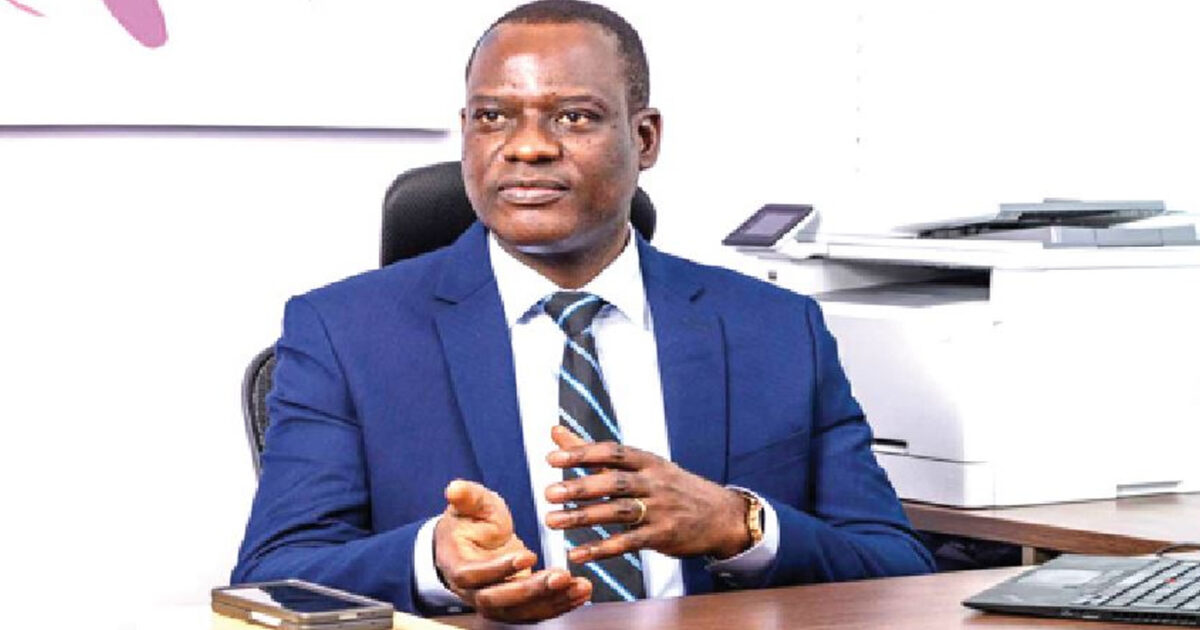
In a separate development, the IMF cautioned Nigeria against its plan to raise up to $5 billion through a derivatives-based financing arrangement with First Abu Dhabi Bank. Christian Ebeke, the IMF's mission chief for Nigeria, stated that such transactions are often complex and lack transparency, suggesting alternatives like Eurobond issuances, concessional financing, or other conventional borrowing mechanisms.
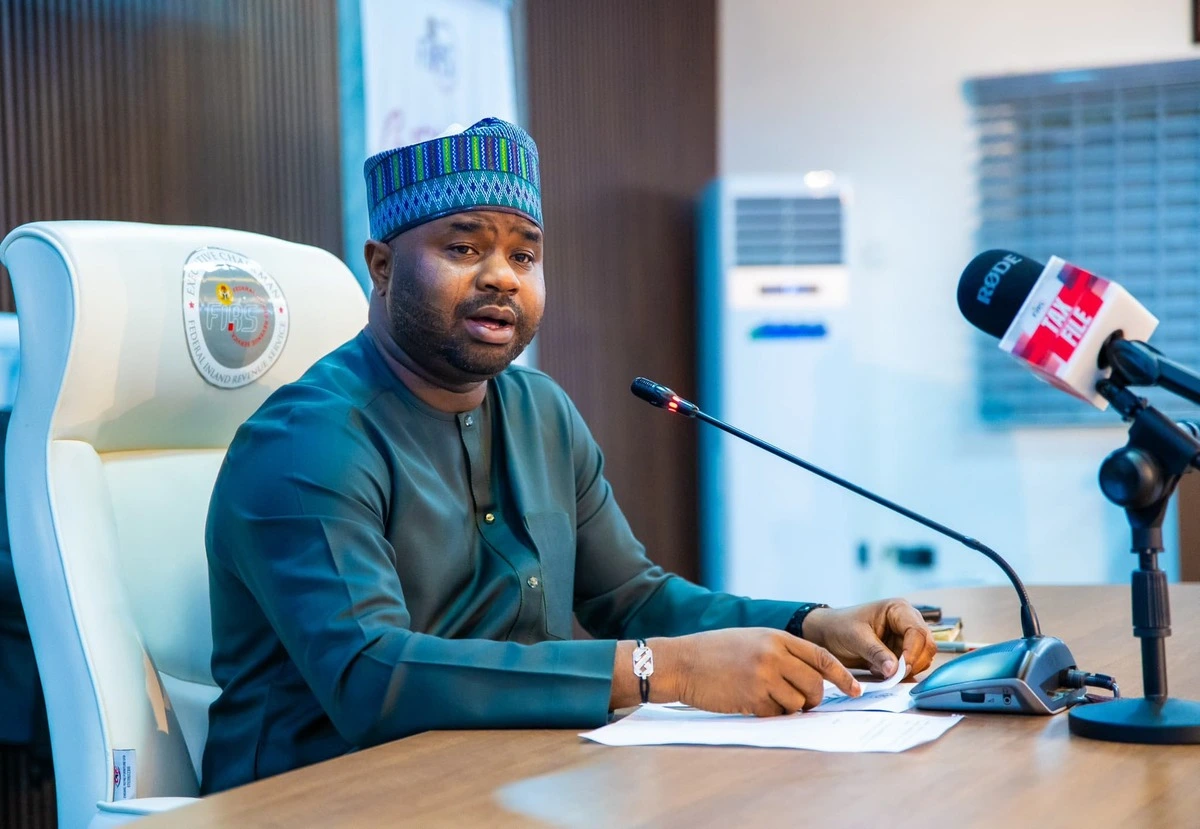
The Federal Government, however, welcomed the IMF's assessment, with the Minister of Finance and Coordinating Minister of the Economy, Taiwo Oyedele, describing it as an independent validation of the administration's economic reforms. Oyedele noted that the IMF acknowledged improvements in the foreign exchange market, stronger external reserves, fiscal reforms, and banking sector stability.
Oyedele emphasized that the government is committed to ensuring reforms translate into tangible benefits for citizens, citing intervention programs such as direct cash transfers, support for small businesses, student financing, consumer credit schemes, and healthcare investments. Investments in agriculture to improve food production and strengthen value chains are also ongoing.
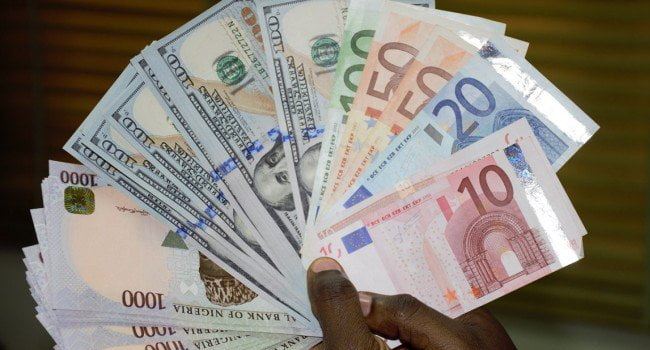
The IMF's report also indicated that Nigeria's external reserves have seen improvements, rising to $46 billion in 2025 from $40 billion in 2024. Net international reserves increased to $35 billion at the end of 2025 from $23 billion a year earlier. Despite these gains, the IMF Executive Board called for a neutral fiscal stance in 2026 to support disinflation and macroeconomic stability, while also urging for strengthened public financial management systems and transparency.