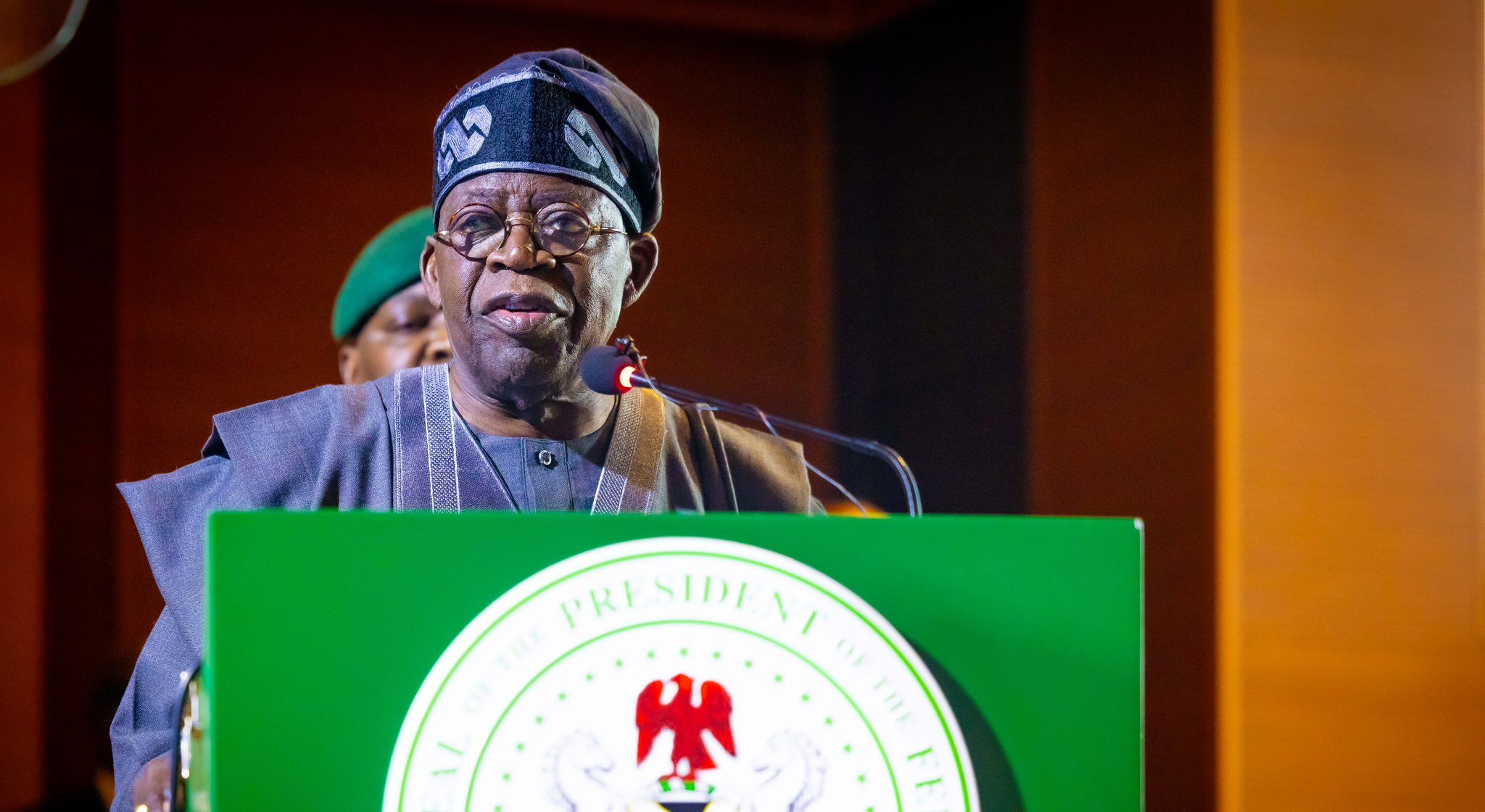
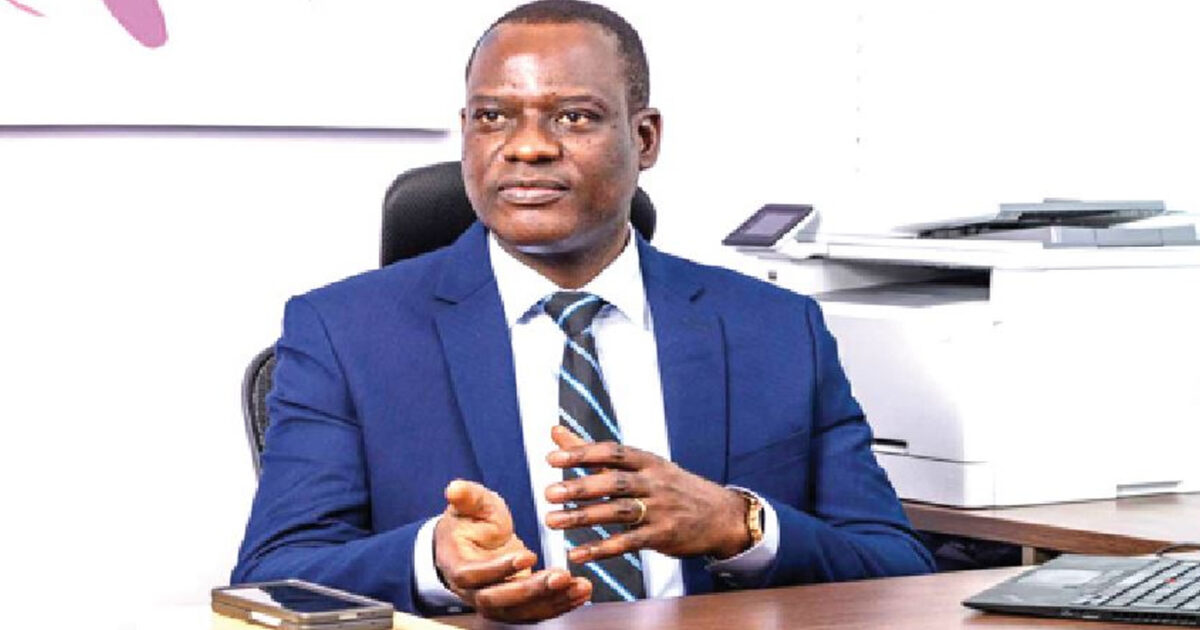
The Chairman of the Nigeria Revenue Service (NRS), Zacch Adedeji, has defended the economic policies of President Bola Tinubu, asserting that Nigeria's poverty situation would have doubled without these interventions. Speaking on Channels Television, Adedeji argued that the administration's reforms have delivered measurable progress and significantly strengthened government revenue.
Adedeji revealed that the NRS is on track to exceed N40 trillion in revenue for 2026, a substantial increase from the N28.23 trillion collected in 2025. The agency generated N15.8 trillion between January and May 2026, representing a 49% increase compared to the N10.6 trillion collected during the same period in 2025. This growth occurred even as collections without newly introduced taxes rose by 15%, outperforming the government's baseline targets. Tax reforms under the administration took effect in January 2026.
Preventing a Currency and Fiscal Collapse
Adedeji stated that if President Tinubu had not removed the fuel subsidy on May 29, 2023, the national subsidy bill would have surged to N53 trillion. He attributed this potential rise to global oil market developments and geopolitical tensions, particularly involving Iran. He added that the ripple effects of keeping the subsidy would have pushed the exchange rate to around N3,500 to the dollar.
The NRS Chairman described the subsidy as an unsustainable practice of borrowing money to buy a product at N10 and selling it for N3. He rejected criticisms that the government should have established fiscal buffers before removing the subsidy, arguing that buffers could not be built while financing the subsidy through borrowed resources.
While the subsidy removal triggered sharp increases in transportation and living costs, the presidency maintains it saved Nigeria from bankruptcy. Senator Solomon Adeola previously claimed the removal saves Nigeria over N10 trillion annually. However, advisory firm CFG Advisory has warned that rising debt servicing has fully absorbed these fiscal gains, leaving limited capacity for development projects.
Defending Reform Outcomes Against IMF Data
Responding to IMF estimates that Nigeria's poverty rate has risen to 63% under the national poverty line, Adedeji urged critics to measure progress by looking at where the country was coming from. The IMF reported that 27 million Nigerians were projected to face food insecurity in the fall of 2025, and 27 million fell into poverty in the fall of 2027. The Fund also warned that the social protection system remains insufficient to cushion vulnerable households.
Adedeji countered these concerns by pointing to the expansion of state government finances, which has reduced their reliance on the federal government for salary support. He also cited the federal student loan programme, which has provided educational loans to more than one million students, and the introduction of credit scores for civil servants.
Furthermore, Adedeji highlighted the performance of the Nigerian stock market as evidence of wealth creation. He noted that market capitalisation has expanded from approximately N30 trillion to N150 trillion under the current administration, creating new economic opportunities across the country.