Nigeria’s economy demonstrated moderate growth in 2026, a trend supported by recent stabilization reforms. However, poverty levels have not seen a corresponding decline, according to a new World Bank report titled “Nigeria’s Tomorrow Must Start Today: The Case for Early Childhood Development.”
The World Bank's 2026 Economic Update indicated that the Nigerian economy expanded at a moderate pace in 2026. This followed a 4.1 per cent growth in 2024 and a 4.0 per cent real GDP growth in 2025. The growth was primarily fueled by the services sector, with notable contributions from ICT, financial services, and real estate. Agriculture and crude oil production also provided modest support.
While the country’s inflation has seen a substantial decline, it persists in double digits. The Middle East conflict has exerted renewed pressure on the economy, impacting price stability. The World Bank noted that tight monetary policy, reduced exchange rate volatility, and improved food supply have contributed to easing price pressures.
Favorable external inflows bolstered Nigeria's reserves. Net external reserves increased to $34.8 billion by the end of 2025, and gross reserves reached $45.5 billion, sufficient to cover 8.7 months of imports. The fiscal deficit widened slightly in 2025, as increased state-level capital spending and higher federal recurrent spending absorbed the surge in non-oil revenues. Federation Account Allocation Committee (FAAC) gross revenues rose from 7.9 percent of GDP in 2024 to 8.5 percent in 2025, driven by strong non-oil tax collections and improved tax administration, including expanded e-filing and e-payments.
Despite these economic indicators, the World Bank warned that the recovery has not yet translated into improved living conditions for most Nigerians. Wage growth has not kept pace with inflation, putting real incomes under pressure and leaving poverty levels largely unchanged. Although food inflation declined from 27.0 per cent year-on-year to 12.1 per cent year-on-year, household incomes have not grown sufficiently to offset still-elevated inflation.
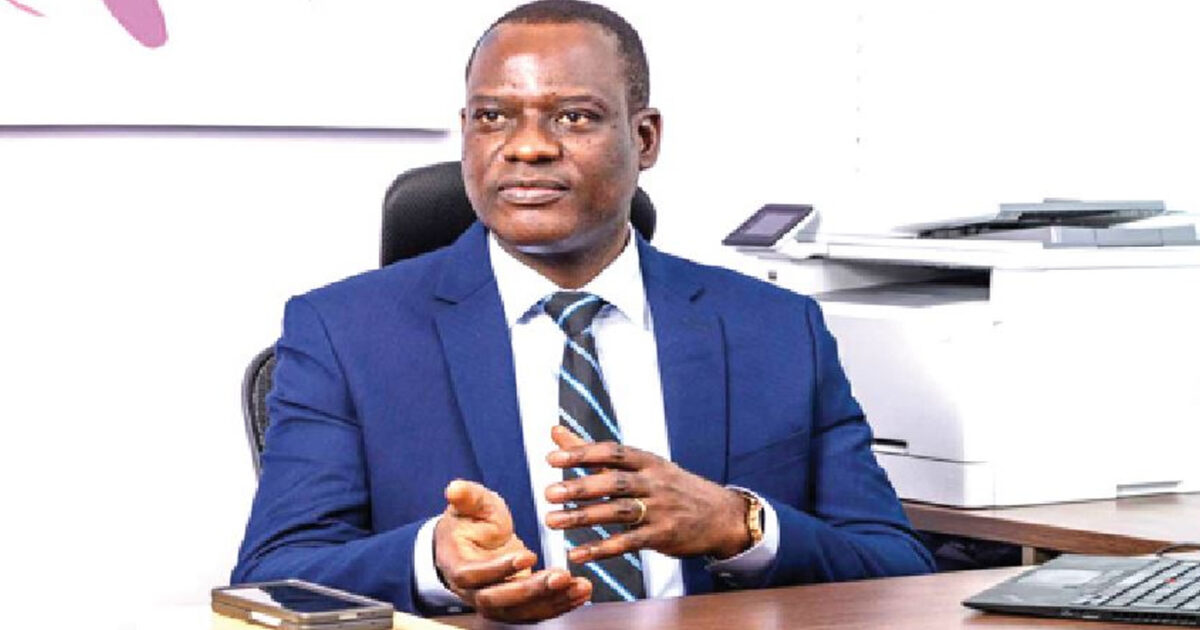
The World Bank's Lead Economist for Nigeria, Fiseha Haile, stated that Nigeria’s economic growth remains on track in the first half of 2026, despite the ongoing Iran war and rising global energy prices. He noted that while business activity has remained stable, rising fuel costs and persistent inflation could erode incomes and slow poverty reduction. Haile emphasized that the impact on growth has been relatively contained, but inflation remains elevated and under increasing pressure, posing risks to incomes and poverty reduction efforts.
Key macroeconomic trends highlighted include inflation dynamics, fiscal performance, and external buffers. Inflation decreased to 15.06 per cent in February 2026 from approximately 33 per cent in December 2024. Fuel prices have risen by over 50 per cent due to the Middle East conflict, increasing transportation, food, and production costs. Nigeria’s external reserves have improved, accompanied by reduced exchange rate volatility, though tighter global financing conditions present a risk. The fiscal deficit widened slightly to 3.1 per cent of GDP in 2025, while the debt-to-GDP ratio declined for the first time in a decade. The World Bank projects economic growth of approximately 4.2 per cent in 2026 and advises maintaining a tight monetary policy, saving windfalls from higher oil prices, and avoiding broad subsidies.