The International Energy Agency (IEA), the International Monetary Fund (IMF), and the World Bank Group have issued a joint warning that the ongoing war in the Middle East is causing a significant global energy and economic shock. The institutions are collaborating to offer tailored policies and financial support to ease the repercussions of the conflict.
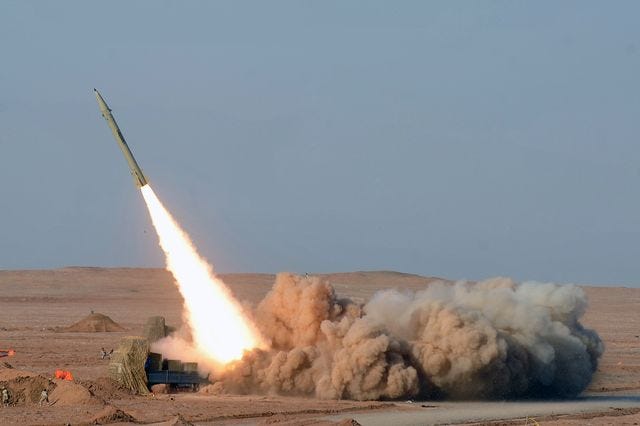
The war, which began on February 28, has disrupted the global supply of crude oil through the critical Strait of Hormuz. This disruption has led to a surge in oil, gas, and fertilizer prices, raising serious concerns about global food security and potential job losses.
In a joint statement, the global bodies highlighted that the economic shock is substantial, global, and highly asymmetric. Energy importers, especially low-income countries, are bearing the brunt of the impact. Some oil and gas producers in the Middle East have also experienced a significant loss of export revenue.
The situation remains highly uncertain, with shipping through the Strait of Hormuz yet to return to normal. Even after shipping flows resume, it is expected to take time for global commodity supplies to reach pre-conflict levels. Fuel and fertilizer prices may remain elevated for a prolonged period due to infrastructure damage.
Supply disruptions are anticipated to have implications across various industries, including energy, food, and manufacturing. The conflict has also led to displacement of people, job losses, and a reduction in travel and tourism, effects that may take time to reverse.
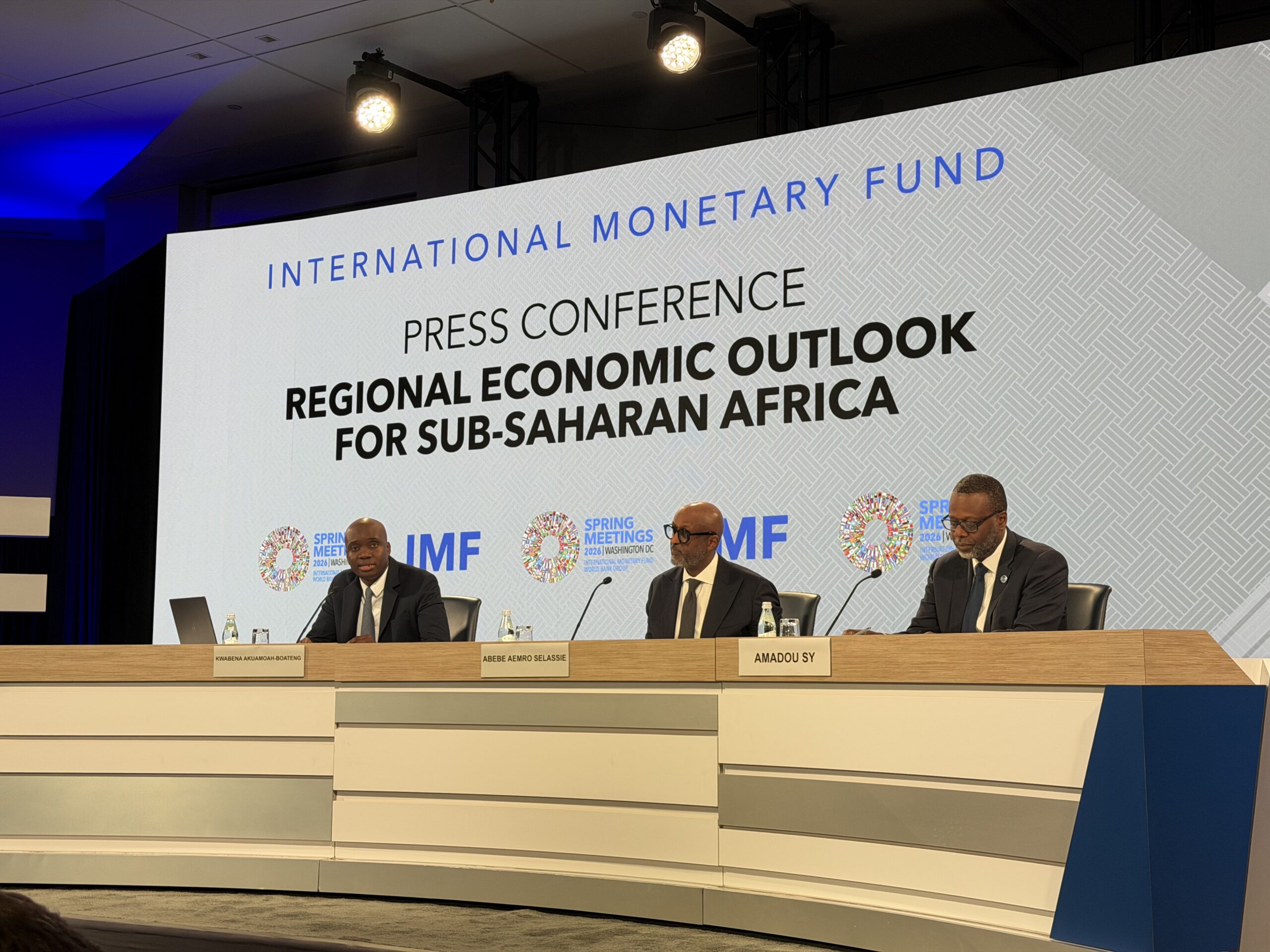
The IEA, IMF, and World Bank are combining efforts, including country-level coordination, to leverage their expertise. They aim to provide specific policy advice and, where necessary, financial support to help countries navigate the economic downturn caused by the war.
The institutions will continue to monitor the impact on energy markets, the global economy, and individual countries. They are committed to coordinating their responses and supporting member countries to foster a resilient recovery that ensures stability, growth, and jobs.