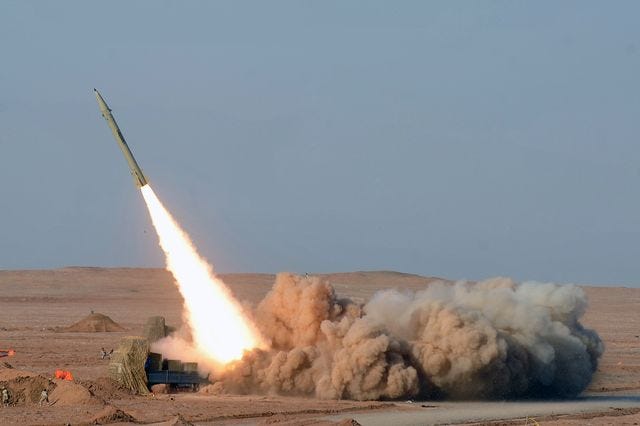
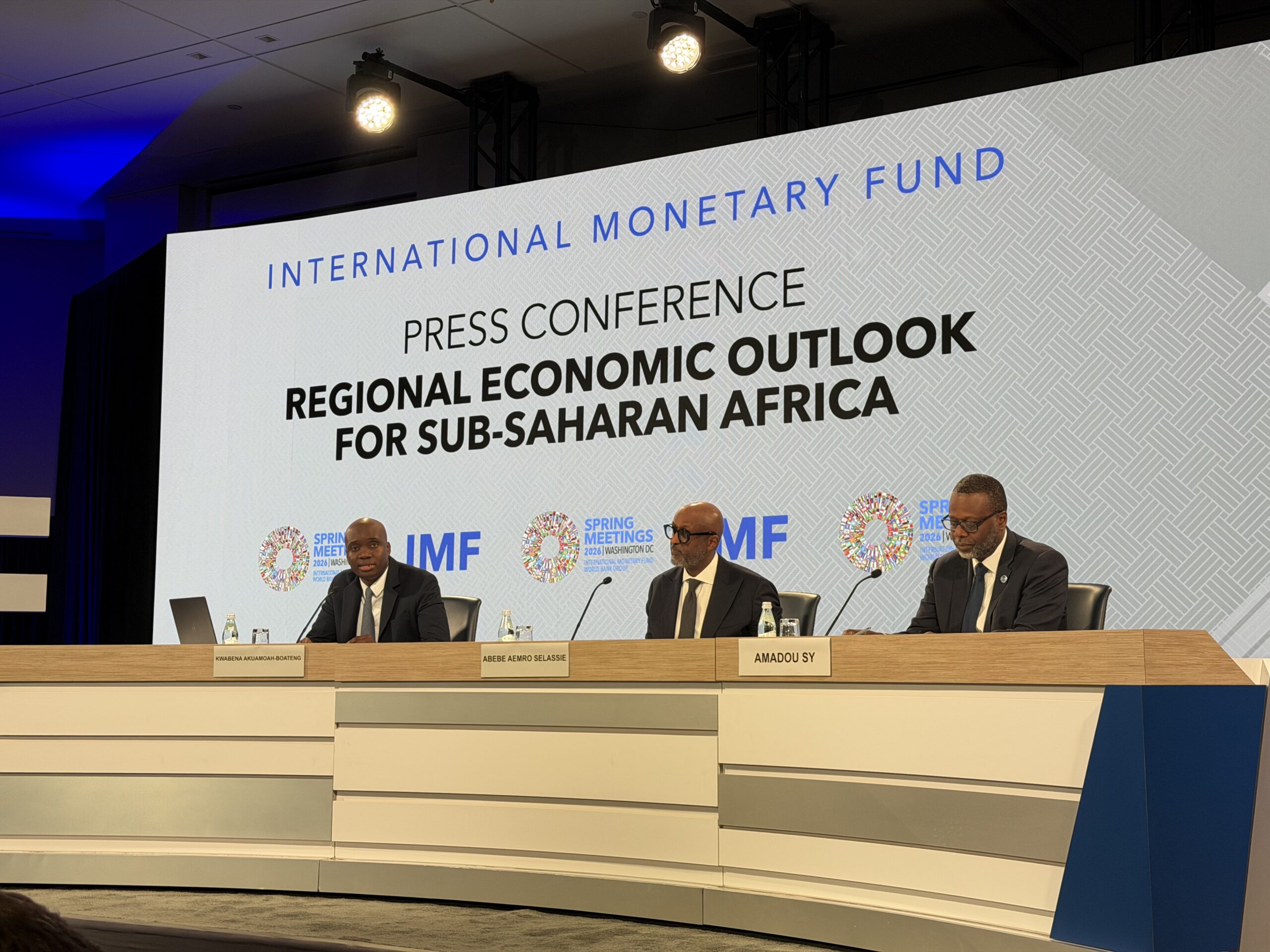
The International Monetary Fund (IMF) will lower its global growth forecasts as a direct consequence of the ongoing Middle East war, according to IMF managing director Kristalina Georgieva. She warned of the conflict’s “scarring effects” despite a fragile ceasefire.
Georgieva stated that even in the most hopeful scenario, spiraling energy costs, infrastructure damage, supply disruptions, and a loss of market confidence will lead to lower growth than previously anticipated. The IMF also foresees a need for up to $50 billion in immediate financial assistance for countries impacted by the war, with food insecurity potentially affecting at least 45 million people.
The World Bank, meanwhile, is prepared to offer up to $25 billion in financing “very quickly” to developing nations affected by the conflict, with a potential for $60 billion to be made available over the longer term. These statements were made during the annual spring meetings co-hosted by the IMF and the World Bank in Washington.
The conflict, initiated on February 28, has caused significant violence across the Middle East, disrupted supply chains, and sent oil prices soaring after Iran virtually blocked the Strait of Hormuz. Both Tehran and Washington have exchanged accusations regarding ceasefire violations, with further peace talks scheduled for Saturday.
Georgieva highlighted the “asymmetric” impact of the crisis, noting that low-income energy importers are disproportionately affected. She also drew attention to Pacific Island nations at the end of long supply chains, questioning their access to fuel amidst severe disruptions.
The World Bank reported that the Middle East, which has experienced retaliatory Iranian strikes and Israeli attacks, has suffered a “serious and immediate economic toll.” Excluding Iran, overall regional economic growth is projected to slow to 1.8 percent in 2026, a downgrade of 2.4 percentage points from pre-war estimates.
The IMF also expects to revise global headline inflation upwards due to the oil price and supply chain shocks stemming from the war. Heads of the IMF, World Bank, and World Food Programme (WFP) met to discuss the economic and food security impacts, issuing a joint statement that rising oil, gas, and fertilizer prices, coupled with transport bottlenecks, will inevitably lead to increased food prices and insecurity.
The IMF and World Bank have established a coordination group to address the energy market impacts of the war. The IMF’s annual Fiscal Monitor report is expected to highlight rising government debt as nations grapple with repeated economic shocks. An earlier IMF report estimated that output in countries experiencing fighting drops by three percent initially and continues to fall for years, with low-income countries being particularly at risk of food insecurity and potentially requiring more external support.