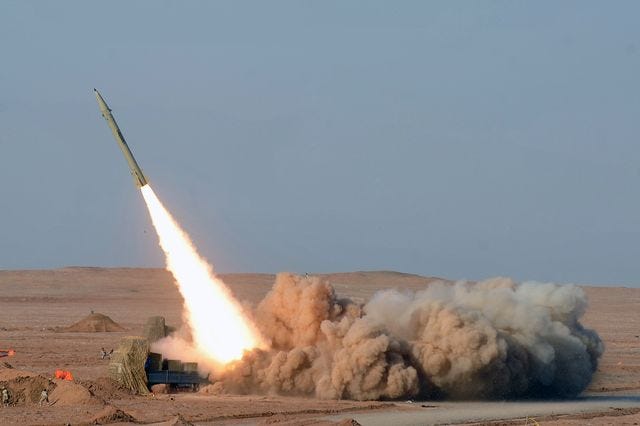
The escalating conflict in the Middle East presents a growing risk to African economies, with S&P Global warning that many nations could face pressure on their credit ratings. The primary concern stems from the increased costs of importing essential goods like oil, fuel, and fertilizers, which are expected to drive up inflation and strain fiscal and external balances.
In its assessment of the continent's exposure, the ratings agency highlighted that African sovereigns, particularly net importers of energy, are vulnerable. Higher import expenditures, coupled with weaker fiscal and external performance metrics, could lead to slower economic growth and potential rating downgrades.
The impact is anticipated to be uneven across the continent. While large oil exporters such as Angola, the Republic of Congo, and Cameroon might benefit from increased export receipts, their reliance on imported refined fuel could limit these gains. Nigeria, however, may experience more significant advantages due to its expanding domestic refining capacity, exemplified by the Dangote Refinery's substantial output.
Conversely, countries with limited fiscal space to absorb external shocks are most at risk. S&P noted that the rising cost of imported energy could weaken regional balance of payments and potentially pressure governments to reintroduce subsidies that have recently been phased out. This could also lead to increased demand for foreign currency, resulting in exchange-rate pressures and higher domestic refinancing costs.
Beyond energy, rising fertilizer prices pose a long-term threat to domestic food production and African household budgets. Supply chain disruptions, including those affecting the transit of exports like gold and diamonds through the Middle East, could further add to costs.
S&P anticipates a general increase in Africa's borrowing costs due to these factors, exacerbated by a global rise in risk aversion. This trend has already been observed in the performance of some African sovereigns' regional currencies since the conflict began.
While, on average, rated African countries import only 11% of their goods from the Middle East, the current international fuel price surge and supply constraints are already causing fuel shortages in several countries, including Ethiopia and Kenya. The agency also pointed out that deeper local capital markets in countries like South Africa, Morocco, and Egypt could offer some buffer against these pressures by providing more diverse financing sources.
The outlook for sovereign credit in Africa had been positive at the start of 2026, with net improvements in regional ratings over the preceding two years. However, the Middle East conflict has introduced uncertainty and increased refinancing costs, dampening this positive trend.