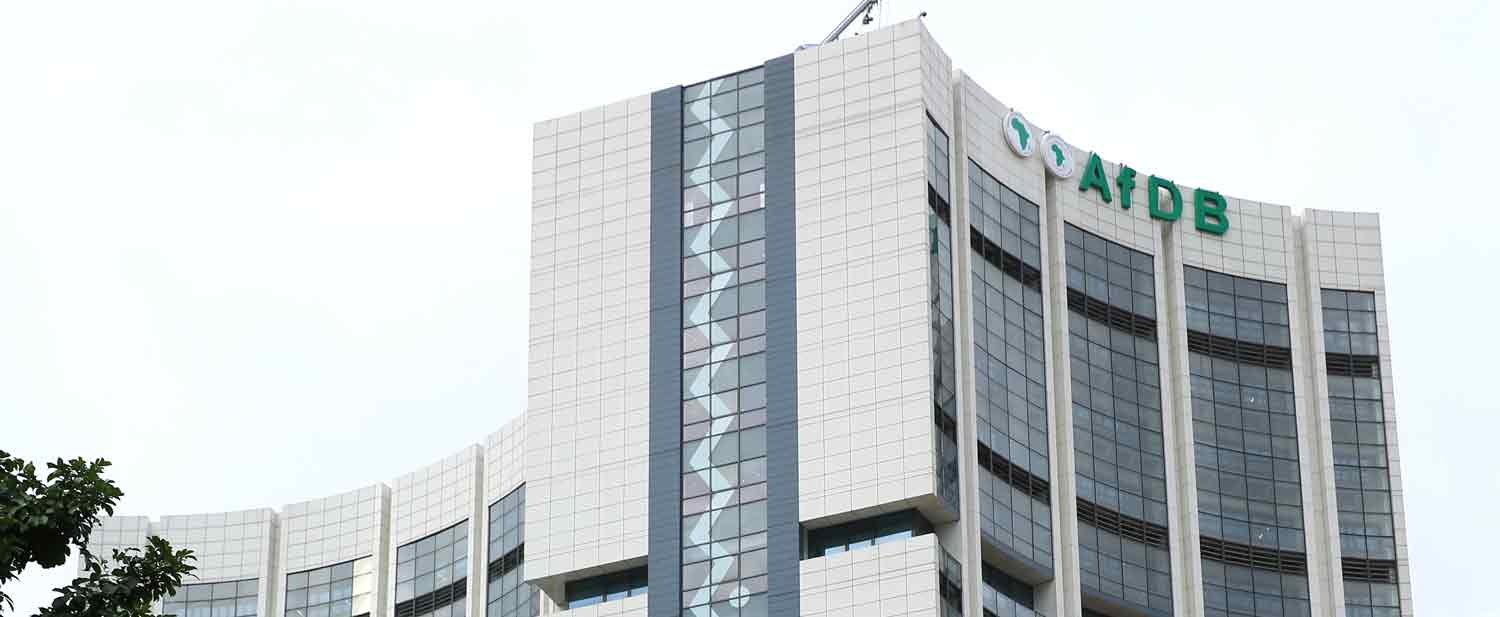
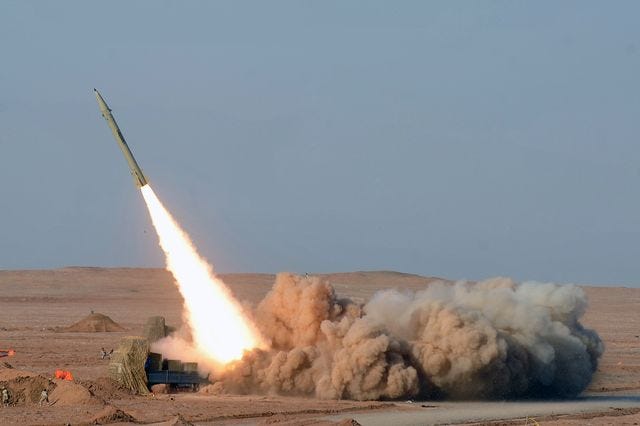
The African Development Bank (AfDB) has issued a stark warning: the ongoing conflict in the Middle East could significantly weaken Africa’s economic growth, with potential losses of up to 1.5% if the crisis persists beyond six months.
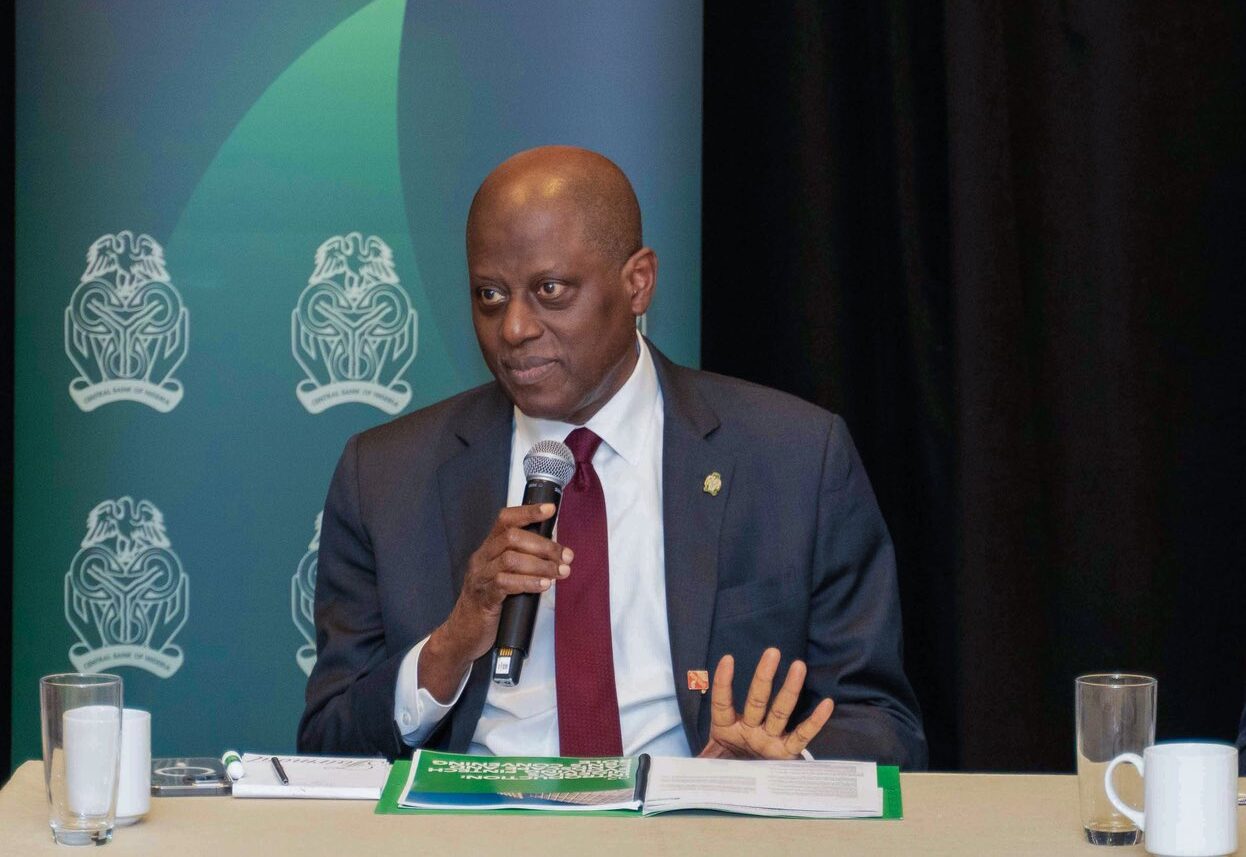
This projection was shared by the bank's Chief Economist, Kelvin Urama, during the launch of the 2026 Africa’s Macroeconomic Performance and Outlook (MEO) report.
While the immediate economic impact on the continent may appear moderate, the AfDB noted that the shock adds considerable pressure to an already fragile outlook. This fragility is characterized by rising debt levels, declining foreign investment, and reduced development assistance across Africa.
Urama elaborated that the scale of the economic impact will largely depend on the duration of the conflict. Longer disruptions, he stated, pose greater risks to the continent’s economic stability.
The AfDB’s analysis indicates that a conflict lasting up to three months could lead to a decline in growth by 0.2 percentage points. However, “If the war continues for up to six months, we might see about a 1.5% decline,” Urama cautioned.
Africa’s economy is currently grappling with several challenges. These include weak foreign direct investment (FDI) inflows, declining official development assistance (ODA), and broader global economic instability, as highlighted by the AfDB.
Despite these headwinds, the bank has maintained its growth projections for Africa at 4.3% for 2026 and 4.5% for 2027.
The ongoing conflict in the Middle East has already disrupted global energy markets, leading to increased oil prices. This has created mixed outcomes for African economies.
While oil-exporting nations might see some benefit from higher prices, the broader impact across the continent has been inflationary. This has resulted in an increased cost of living for many Africans.
Rising oil prices have directly contributed to higher costs for fuel, food, and fertilisers. Consequently, approximately 29 African countries have recorded currency depreciation due to these inflationary pressures.
Africa’s fiscal position remains under significant strain. Public debt reached $1.9 trillion in 2024, and the servicing of this debt now accounts for over 31% of government revenues.
Currently, 7 countries are in debt distress, with an additional 13 countries at high risk of debt distress. External financing conditions are also tightening, further complicating the economic landscape.
FDI flows to Africa declined by 42% in the first half of 2025. Furthermore, cuts in foreign aid are threatening the funding for critical sectors such as health, education, and social programmes.
Between 2015 and 2023, the United States accounted for 33.6% of bilateral aid provided to Africa.
Overall, the combination of rising costs, weakening currencies, and constrained external financing underscores the growing vulnerability of African economies to global shocks.