Nigeria must deploy targeted, disciplined, and reform-aligned policy responses to navigate a fresh cost-of-living squeeze triggered by the Middle East crisis, according to the International Monetary Fund (IMF).
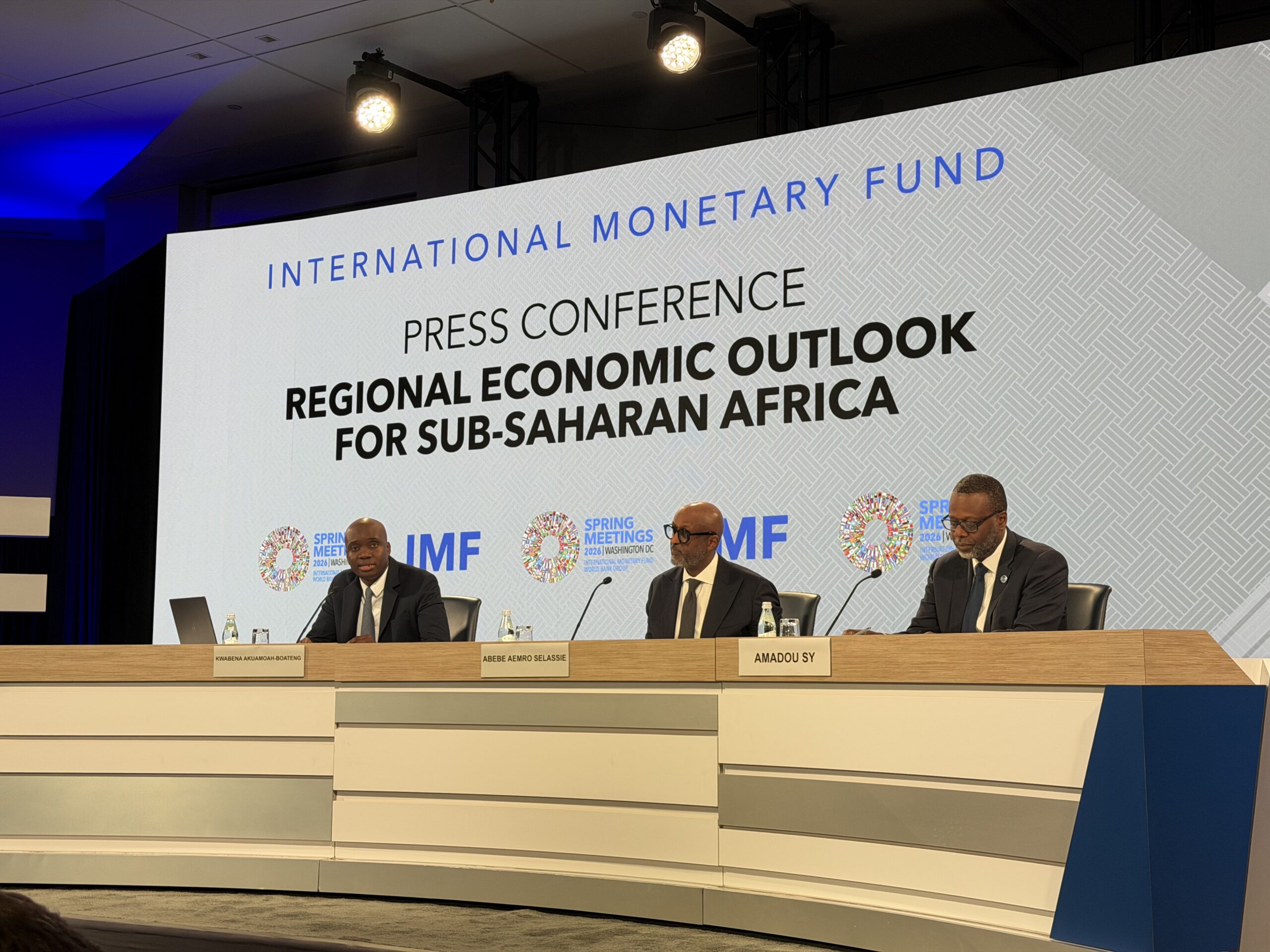
Abebe Aemro Selassie, Director of the IMF’s African Department, outlined short, medium, and long-term measures Nigeria must deploy towards addressing the current elevated cost-of-living during the presentation of the April 2026 Regional Economic Outlook for Sub-Saharan Africa.
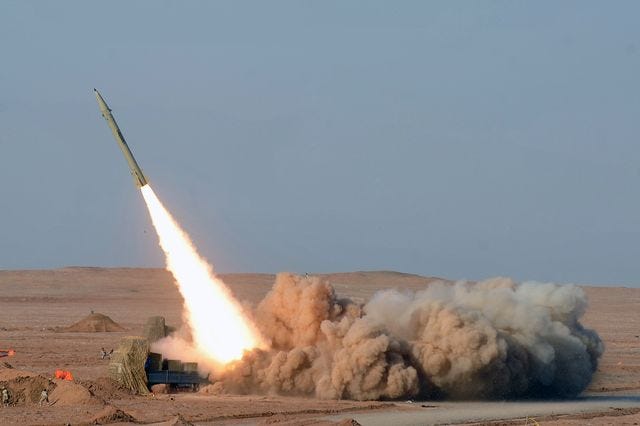
The African subregion entered 2026 with strong momentum but is now grappling with surging energy and fertilizer prices, rising shipping costs, and tightening financial conditions linked to geopolitical tensions in the Middle East.
The IMF acknowledged that recent reforms in Nigeria, particularly exchange rate adjustments, subsidy removals, and tighter monetary policy, helped drive stronger growth and improved fiscal balances in 2025. However, these reforms are now amplifying inflationary pressures as global shocks feed directly into domestic prices, intensifying the cost-of-living burden on households.
IMF Recommendations for Nigeria
The IMF's guidance centers on balancing economic stability with urgent social protection, warning against policy reversals that could undermine credibility.
- Protect the most vulnerable: Deploy targeted and time-bound support rather than broad subsidies, ensuring relief reaches households most affected by rising food and transport costs.
- Anchor inflation expectations: Maintain a tight and credible monetary policy to prevent second-round inflation effects.
- Preserve reform momentum: Avoid abandoning structural reforms despite rising social pressures, as these are key to long-term stability.
- Prioritize spending: Safeguard critical social and development expenditure, even amid fiscal constraints.
- Boost domestic revenue: Strengthen tax administration, reduce exemptions, and leverage digitalization to expand fiscal space.
On debt strategy, the Fund avoided prescribing a rigid borrowing mix but stressed that Nigeria must keep debt levels aligned with its repayment capacity while continuing liability management to extend maturities and reduce refinancing risks.
The IMF acknowledged the growing tension between reform-driven stabilization and worsening welfare conditions—a concern increasingly evident in Nigeria as fuel price pass-through and transport costs surge since the Middle East conflict escalated.
The International Monetary Fund (IMF) has declined to take a position on whether Nigeria should prioritize external or domestic borrowing, stressing the importance of overall debt sustainability instead. Selassie stated that it is difficult to give a direct answer, noting that such a decision depends on a broader assessment of multiple debt-related factors.
He explained that the more critical issue is ensuring that a country’s debt remains within levels it can sustainably service, meaning borrowing should be aligned with the government’s ability to meet repayment obligations without straining public finances. Selassie added that governments can ease repayment pressure by restructuring obligations to extend repayment timelines.
Nigeria’s total public debt rose to N159.28 trillion as of December 31, 2025, according to the Debt Management Office (DMO), reflecting a steady increase largely driven by domestic borrowing. The debt-to-GDP ratio hit 32.3% in 2026, down from 35.5% in 2025, and is expected to be 33.1% in 2027, returning to 30.1% by 2031.
Globally, the IMF revealed that the fiscal deficit remained broadly unchanged at 5% of GDP in 2025, and gross public debt climbed to 93.9% of world GDP. The IMF warned that global debt will reach 100% by 2029, a level not seen since the aftermath of World War II.
The IMF noted that the conflict in the Middle East could further strain government finances through higher food and fuel prices, tighter financial conditions, lower activity, and rising defense outlays. Prolonged conflicts could increase global debt-at-risk by an additional 4 percentage points.
The IMF advised that countries’ fiscal policy should be more forward-looking to preserve stability and reduce the risk of disruptive market pressures, as geoeconomic and political tensions have become a persistent feature of the fiscal landscape.
The IMF also warned that more than 20 million people across sub-Saharan Africa could be pushed into moderate or severe food insecurity due to rising global prices. A 20% increase in international food prices can push over 20 million people into food insecurity in the region.
Regional growth was estimated at about 4.5% in 2025, the fastest in ten years, but is projected to slow to 4.3% in 2026. Median inflation is expected to rise to 5.0% in 2026, up from 3.4% in 2025.