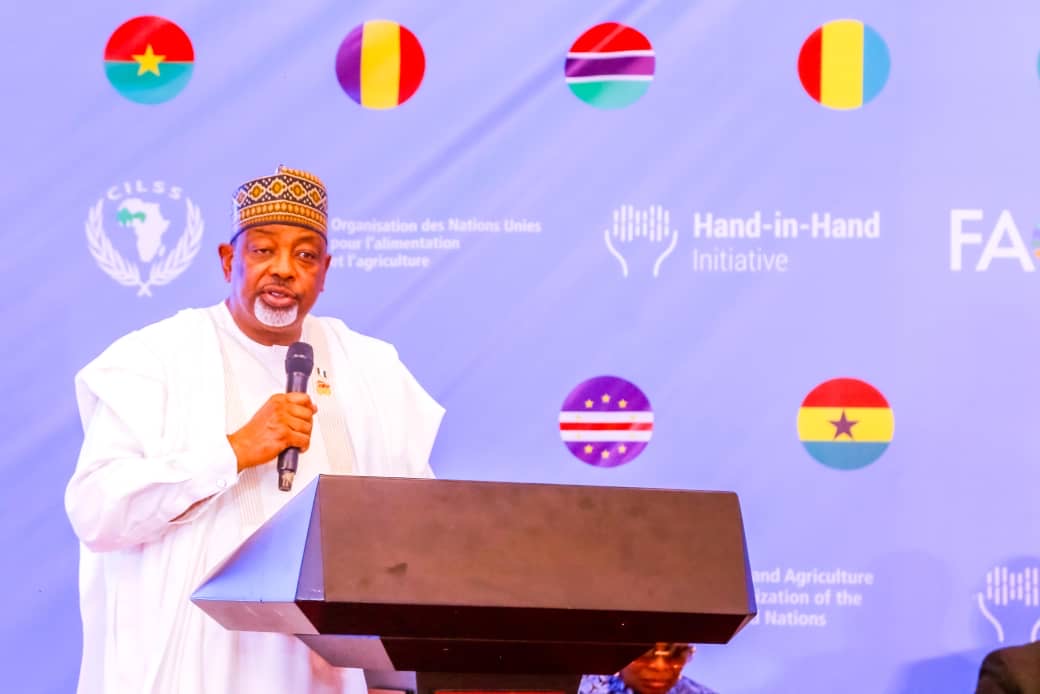
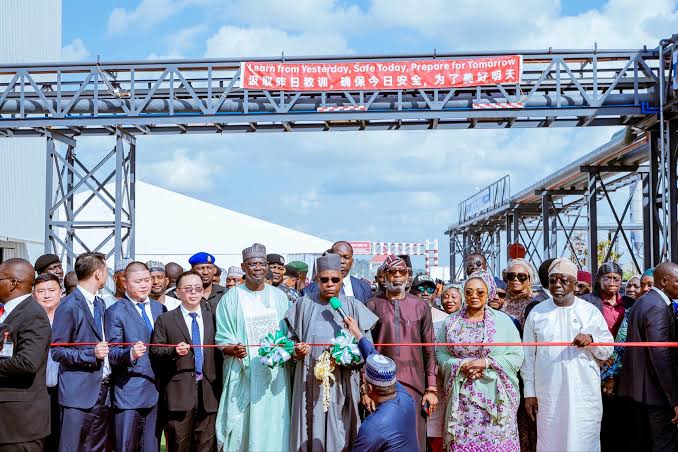
The Federal Government has officially unveiled the National Agricultural Mechanisation Policy and the National Agricultural Mechanisation Investment Strategy. Unveiled by the Minister of Agriculture and Food Security, Senator Abubakar Kyari, in Abuja, the policy aims to attract private capital, boost productivity, and secure food sovereignty.
The framework represents a structural shift from government-led procurement to a commercial Mechanisation-as-a-Service model. This approach is designed to make agricultural technology accessible to farmers across the country.
Mega Tractor Assembly Plant and Fleet Expansion
Under the Renewed Hope National Agricultural Mechanisation Programme, the government has commenced the procurement and deployment of 2,000 tractors. This rollout includes more than 9,000 assorted implements and spare parts to support immediate farming needs.
To sustain long-term supply, the investment strategy outlines the establishment of a mega tractor assembly plant. The facility will have the capacity to produce between 2,000 and 4,000 tractors annually, reducing dependence on imports and creating local jobs.
Borno State Governor Babagana Zulum emphasized that agricultural mechanisation must go beyond machinery acquisition. He noted that the country must build a smart, highly mechanised agricultural system for the future.
Bridging the Ten Billion Dollar Trade Deficit
The policy introduction comes as Nigeria grapples with a massive imbalance in agricultural trade. National Programme Coordinator of the Special Agro-Industrial Processing Zones (SAPZ), Dr. Kabir Yusuf, highlighted that Nigeria spends over $10 billion annually on food imports while earning less than $400 million from agro-exports.
Additionally, the sector faces severe post-harvest losses, with an estimated 30% to 60% of farm produce lost before reaching markets. The SAPZ programme targets $4.4 billion in private-sector investment to address these inefficiencies, projecting an internal rate of return of 30.85%.
Single-Digit Financing for Smallholders
To complement the mechanisation drive, the Federal Government previously approved a N250 billion facility for the Bank of Agriculture. This funding is structured to provide single-digit interest rate loans directly to smallholder farmers.
Minister Kyari noted that key institutions, including the Nigerian Agricultural Insurance Corporation and the National Agricultural Quarantine Service, will work alongside the Bank of Agriculture. Together, they aim to improve risk management and build overall resilience across the agricultural value chain.