Nigeria’s economy has entered a new phase where the focus is shifting from stabilizing key economic indicators to delivering real improvements in investment, productivity, and living standards. According to FirstBank’s July 2026 report, titled Reading the Signals | The Next Half Mid-Year Economic & Market Outlook 2026, the second half of the year will be defined by how effectively recent macroeconomic gains translate into jobs, business growth, and better household welfare.
The bank’s economic research team noted that two years of policy adjustments have successfully stabilized the macroeconomic environment. However, the report cautions that inflation remains elevated and financing conditions are still restrictive, which continues to weigh on businesses and households.
Refining Boom Reshapes Trade Balance
One of the largest structural shifts highlighted in the report is the impact of domestic refining on Nigeria’s trade profile. Refined petroleum exports increased by 20.3% quarter-on-quarter to $2.37 billion in the first quarter of 2026. Meanwhile, imports of refined petroleum products plunged 87.5% to $310 million from $2.48 billion in the previous quarter.
This shift contributed to Nigeria’s goods account surplus widening to $5.95 billion. FirstBank noted that the 650,000-barrel-per-day Dangote Refinery played a key role in supporting exports of gasoline, diesel, and jet fuel across Africa and into Europe during the first half of the year, particularly during supply disruptions linked to tensions involving Iran.
Capital Inflows and FX Reserves Surge
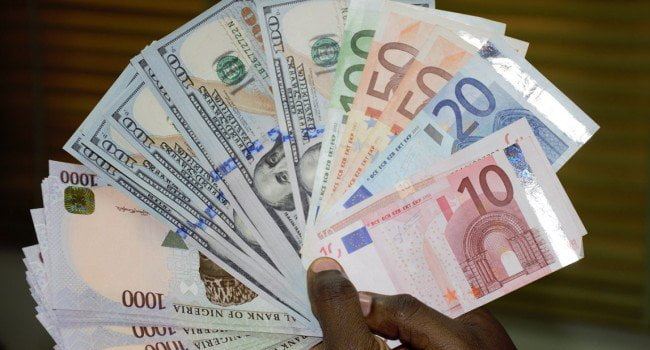
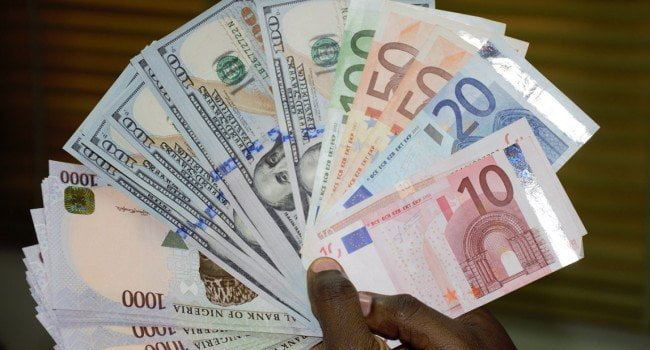
The report identified continued stability in Nigeria’s foreign exchange market as a critical factor for the remainder of 2026. Nigeria’s external reserves climbed to $51.46 billion as of June 30, 2026, while liquidity in the official foreign exchange market improved significantly to strengthen investor confidence.
This positive sentiment is reflected in capital importation data, which rose to $10.37 billion in the first quarter of 2026, representing an 83.8% year-on-year increase. FirstBank believes that sustaining foreign exchange inflows, improving export performance, and attracting long-term capital will be essential to maintaining this economic momentum.
Translating Stability into Household Welfare
FirstBank emphasized that the success of Nigeria’s economic reforms will no longer be judged by stronger macroeconomic indicators alone. Instead, attention is shifting toward how these reforms boost productivity, expand domestic value addition, and support private-sector growth.
The bank’s report concluded that macroeconomic stabilization is merely the foundation. The collective focus must now shift to strengthening productive activity, accelerating private investment, and delivering broad-based improvements that create lasting prosperity for ordinary Nigerians.