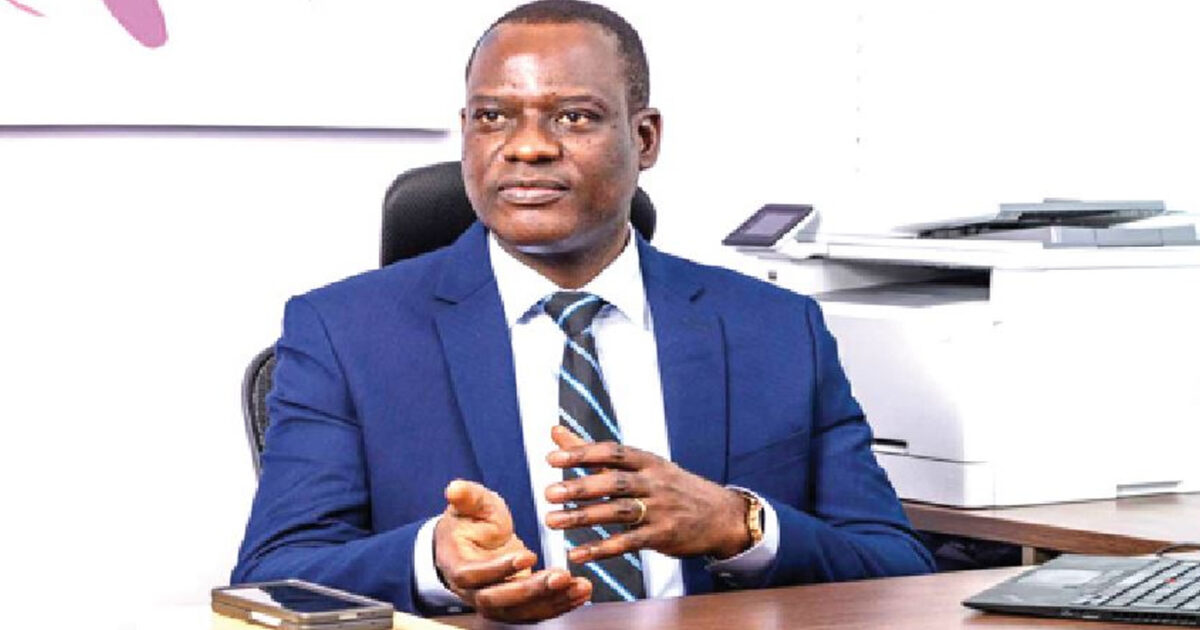
The Minister of Finance and Coordinating Minister of the Economy, Taiwo Oyedele, has assured investors that the Federal Government will not reverse its ongoing economic reforms, emphasizing policy consistency as central to Nigeria’s economic management. This commitment was stated in a press release signed by the Head of Information and Public Relations at the Federal Ministry of Finance, Efe Ovuakporie.
Speaking at the launch of the Nigerian Economic Summit Group Private Sector Outlook 2026 in Lagos, Oyedele declared, “We are not looking back,” highlighting that consistent policy direction is critical for investor confidence. He cautioned that mixed signals or abrupt reversals could undermine progress, noting that businesses require certainty in policy decisions.
The minister’s remarks follow his recent assumption of office. He indicated that the administration is shifting from a stabilization phase to one concentrating on measurable growth, where reforms will be evaluated by their results rather than their intentions. Oyedele pointed to early signs of macroeconomic stabilization, such as a more aligned exchange rate and improved revenue performance, stressing that these gains must translate into tangible outcomes like job creation, productivity growth, and enhanced living standards.
Key priorities for driving investment in the next phase include policy consistency and predictability across fiscal and regulatory frameworks, a reduced cost of doing business, and improved access to capital. The government is actively working to expand credit across the economy, from consumer lending to industrial financing, with support from institutions like the Bank of Industry, to stimulate growth and encourage private sector participation.
Oyedele also underscored the necessity for stronger real GDP per capita growth to effectively reduce poverty levels, stating that modest growth figures would be insufficient given Nigeria’s population dynamics. He described the current reform phase as decisive, emphasizing that reforms alone do not create growth; significant investment is required. Investors, he noted, respond more favorably to stable and predictable environments than to policy announcements alone.
Regarding productivity, Nigeria must move beyond consumption-driven expansion and focus on improving output and competitiveness in key sectors such as agriculture, manufacturing, energy, and the digital economy. The minister called for deeper collaboration between the government and the private sector, asserting that sustainable economic growth cannot be achieved through public policy in isolation.
As Nigeria enters what he termed a consolidation phase, Oyedele stated the government will continue to deepen reforms, strengthen public financial management, and improve coordination across all government tiers. He acknowledged potential risks, including reform fatigue, inflationary pressures from global uncertainties, and political tensions, but expressed confidence in managing these challenges through discipline and cooperation.
“Our task now is execution,” Oyedele concluded, adding that this phase demands focus, consistency, and accountability. The PUNCH previously reported on President Bola Tinubu’s approval of a minor reshuffle in the Federal Executive Council, which included changes in the Ministry of Finance and the Ministry of Housing and Urban Development.