The Federal Government is moving to deepen trade and technological ties with China to expand agricultural exports and boost local processing capabilities. Nigeria plans to leverage China's zero-tariff policy for 53 African countries to gain greater market access for its key agricultural commodities.
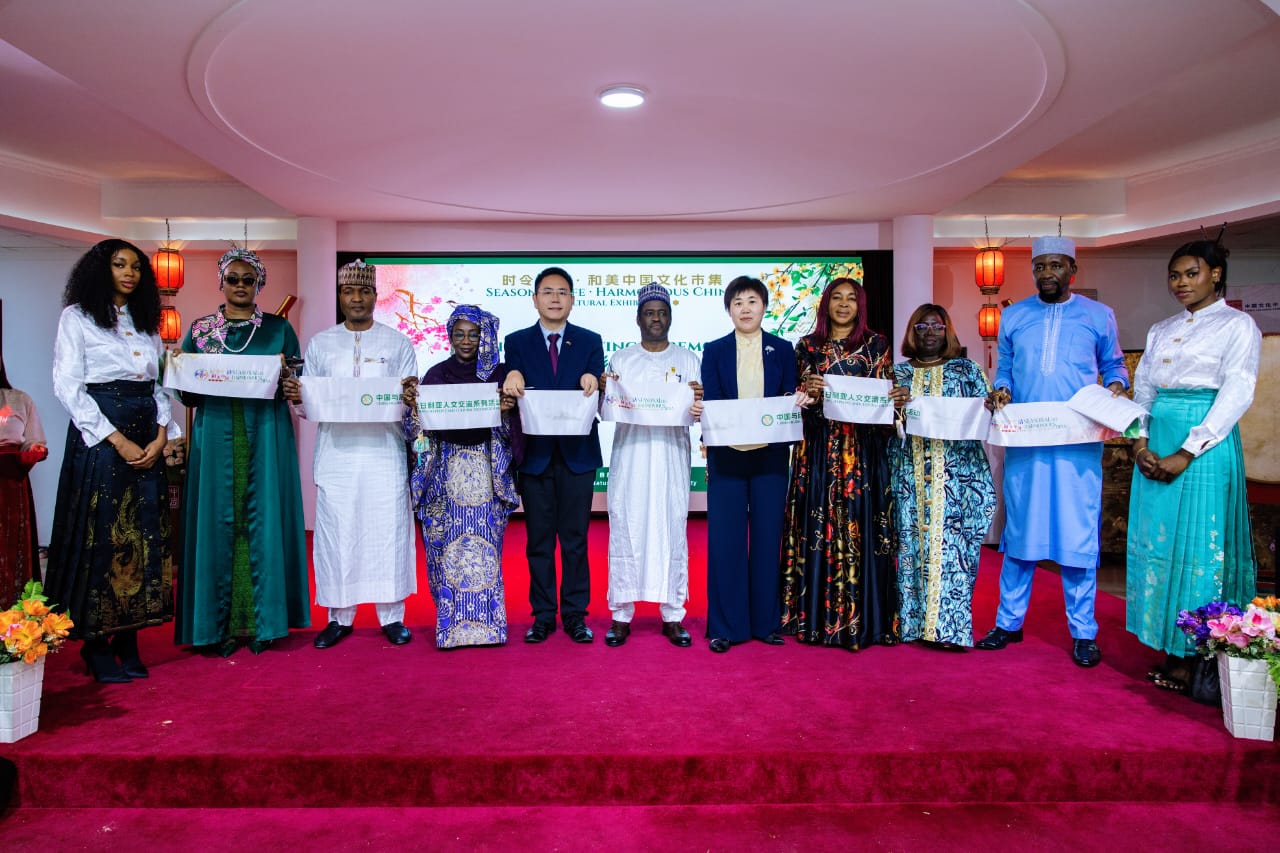
Mukhtar Muhammed, Permanent Secretary of the Federal Ministry of Innovation, Science and Technology, disclosed this at the "Seasonal Life, Harmonious China" cultural exhibition in Abuja. The event, held at the China Cultural Centre, coincided with the 55th anniversary of diplomatic relations between both nations in 2026.
Upgrading Standards for Zero-Tariff Access
The zero-tariff policy, which took effect in May 2026, presents a significant opportunity for Nigerian agricultural products. Key commodities targeted for export expansion include sesame, ginger, cashew nuts, and cocoa, which have historically faced international market barriers.
However, Muhammed emphasized that Nigerian producers must improve quality, packaging, and supply-chain standards to meet strict Chinese market requirements. The Ministry of Innovation, Science and Technology will lead efforts to drive the necessary scientific and technological upgrades across the agricultural value chain.
The government's ultimate goal is to shift from exporting raw commodities to exporting high-value, processed goods. This strategy will focus heavily on transforming primary crops like cassava, shea butter, and cashew nuts into value-added products.
Solar Cold Storage and Tech Transfer
To support this transition, Nigeria is seeking deeper collaboration between Nigerian and Chinese universities, research institutions, and industries. Proposed areas of partnership include the development of affordable solar-powered cold storage facilities to minimize post-harvest losses.
The bilateral initiative also aims to expand scientific exchanges and secure more scholarships for Nigerian scientists. The government plans to boost Science, Technology, Engineering, and Mathematics (STEM) training in Chinese universities, focusing on sustainable agriculture and water management.
Lessons from Yangling Agricultural Valley
Muhammed highlighted insights from his recent technical visit to the Yangling High-tech Agricultural Demonstration Zone in Shaanxi Province. Known as China's "Agricultural Silicon Valley," the zone showcases the integration of modern technology with traditional farming.
Key technologies observed during the visit included water-saving irrigation systems and advanced soil-monitoring tools designed for arid environments. The Federal Government intends to adapt these scalable innovations to address land degradation and low productivity in Northern Nigeria and the Lake Chad region.
Yang Jianxing, Chinese Cultural Centre Councillor, noted that 2026 also marks the China-Africa Year of People-to-People Exchanges. He affirmed that the Chinese embassy will continue to implement the outcomes of the Forum on China-Africa Cooperation (FOCAC) Beijing Summit to strengthen the strategic partnership.