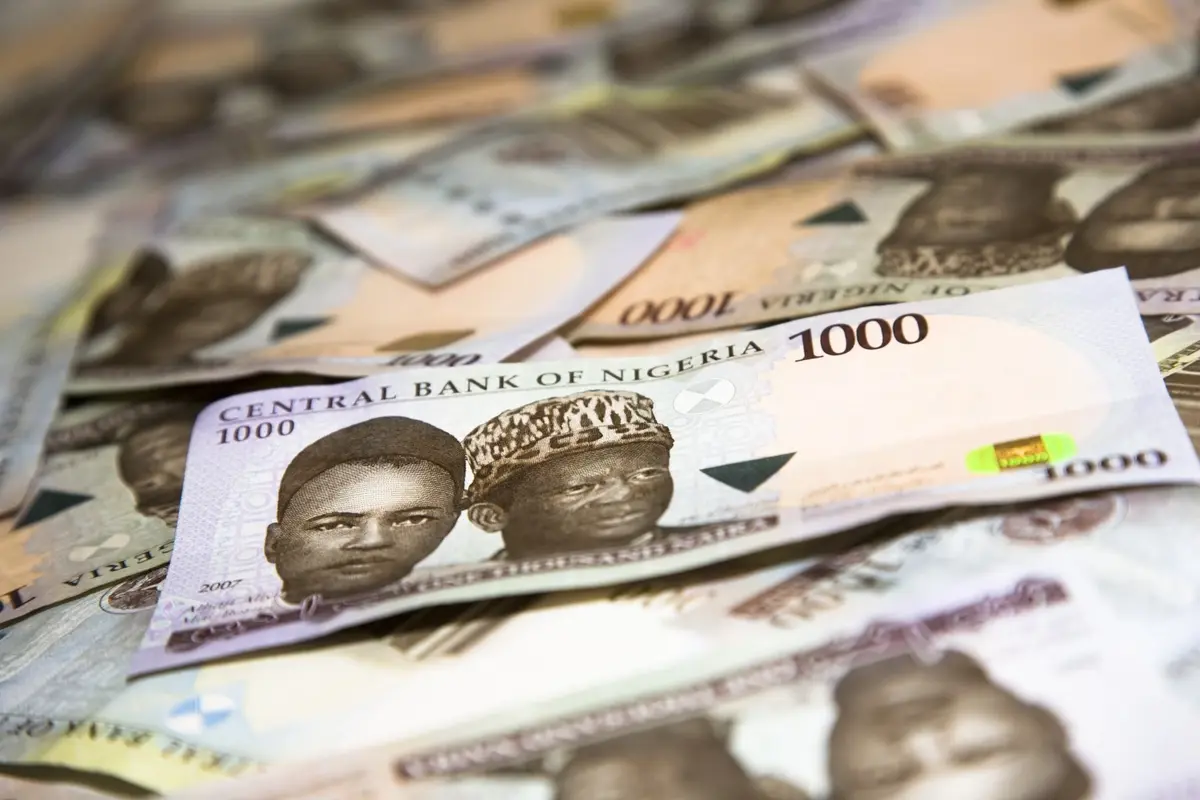
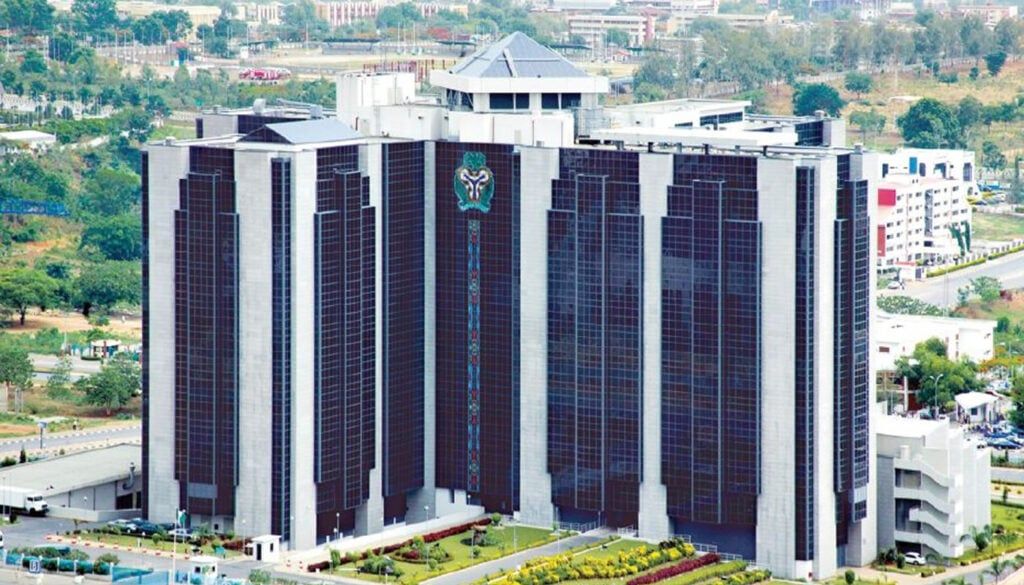
Nigeria's currency in circulation (CIC) experienced a notable decline in June 2026, falling to N5.52 trillion from N5.690 trillion recorded in May. This reduction, according to the latest data from the Central Bank of Nigeria (CBN), indicates a moderation in cash held within the economy as the apex bank continues its push for digital payments and reduced reliance on physical cash.
The CBN's ongoing reforms are geared towards accelerating Nigeria's transition to a cash-lite economy, a strategy that aims to improve liquidity management and reduce the volume of cash outside regulated financial channels.
Data Reveals Shift in Cash Holdings
The CBN's data for June 2026 highlighted a decrease in both total currency in circulation and cash held outside the banking system. Currency outside banks, which includes cash held by households, businesses, and individuals not deposited in financial institutions, dropped to N4.92 trillion in June from N5.19 trillion in May.
This decline suggests a greater return of physical currency to the banking system during the month. Concurrently, bank reserves increased by N233.23 billion, or 0.69%, reaching N33.996 trillion from N33.763 trillion in May. The CBN’s Special Intervention Reserve remained constant at N329.39 billion across both May and June 2026.
CBN's Digital Payment Drive and PSV 2028
The reduction in cash outside banks aligns with the CBN's broader objective of enhancing liquidity management and curbing the volume of physical cash circulating unregulated. Electronic payment channels have seen rapid expansion, bolstered by instant payment platforms, mobile banking applications, fintech companies, and agent banking networks.
Despite these advancements, cash continues to be the dominant transaction method in various economic segments, including retail markets, transportation, informal trade, and rural communities. The CBN is committed to deepening digital payment adoption while simultaneously improving financial inclusion, aiming for a transition that reduces cash reliance without eliminating physical currency entirely.
In pursuit of these goals, the CBN recently introduced the Nigeria Payment System Vision (PSV) 2028. This comprehensive roadmap is designed to modernize the country's payment ecosystem and significantly deepen financial inclusion across the nation.
The PSV 2028 framework sets ambitious targets, including reducing the proportion of cash circulating outside the banking system to below 40% of total currency in circulation by 2028. It also aims for 95% financial inclusion among Nigeria’s adult population by the same year, positioning Nigeria as Africa’s leading digital payments hub.
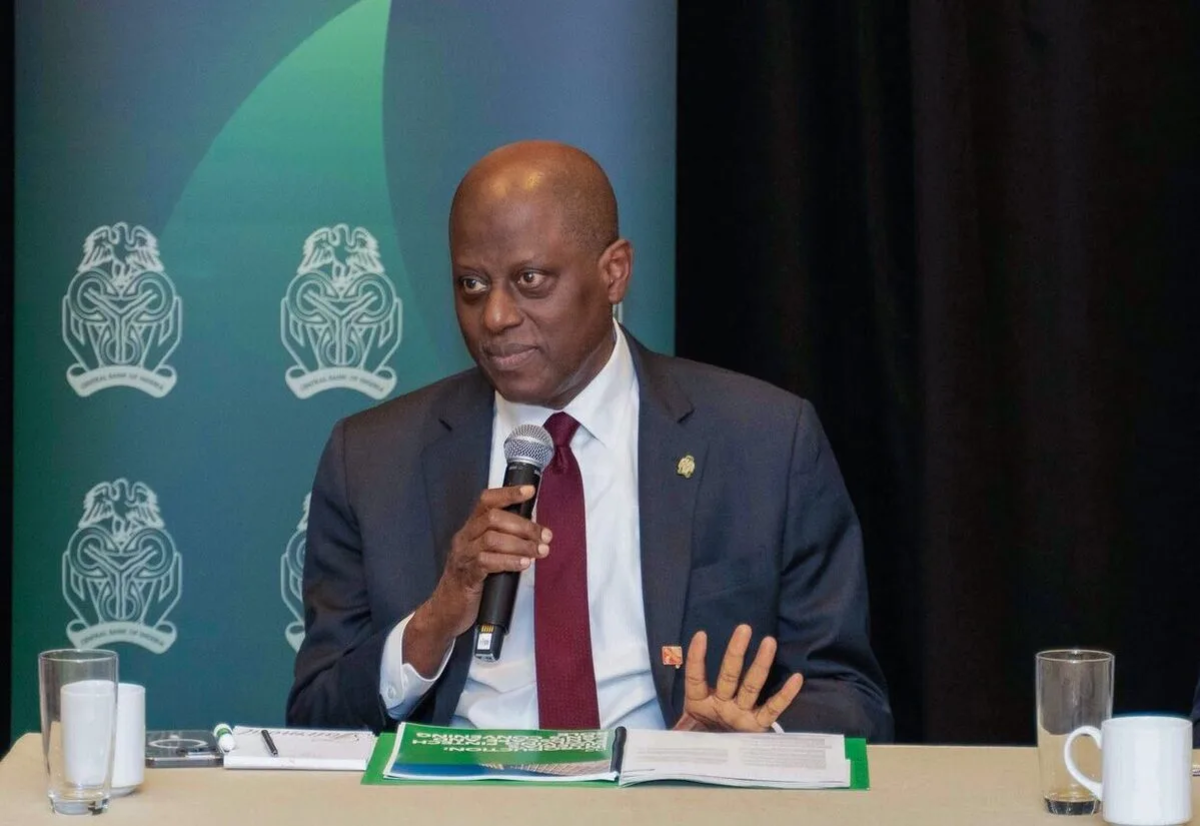
Plans under the PSV 2028 include deploying more than 10 million QR-code and tap-to-pay acceptance points across markets, transport hubs, commercial centres, and rural communities. CBN Governor Olayemi Cardoso stated that this strategy leverages Nigeria's existing achievements in digital payments to build a more inclusive, secure, and technology-driven financial system.
Earlier reports by Nairametrics indicated that Nigeria’s broad money supply rose to N133.25 trillion in June 2026, up from N129.21 trillion in May, despite a 26.5% interest rate.