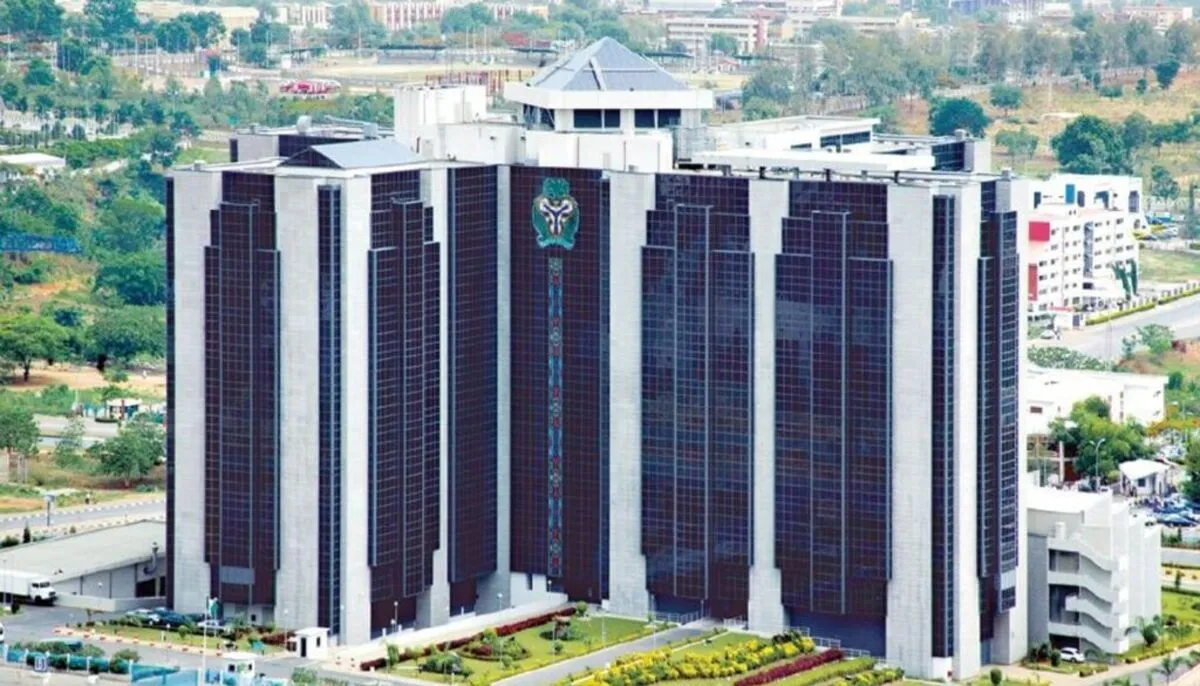
Credit extended to Nigeria’s private sector climbed to N83.26 trillion in June 2026, up from N81.04 trillion in May. This increase, detailed in the latest data from the Central Bank of Nigeria (CBN), signifies a month-on-month rise of approximately N2.22 trillion.
On a year-on-year basis, the figure reflects a 9% increase when compared to the N76.13 trillion recorded in June 2025. These latest figures emerge as the CBN continues to navigate the delicate balance between controlling inflation and fostering economic growth through expanded credit to businesses.
The CBN data further indicates that credit to Nigeria’s private sector increased by approximately 2.74% month-on-month between May and June 2026. Concurrently, credit to the government saw a slight decline, falling to N40.03 trillion from N40.38 trillion.
Other assets, net, also decreased to N10.76 trillion from N12.63 trillion. Despite these declines, net domestic credit rose to N123.29 trillion from N121.42 trillion, while reserve money, or base money, increased to N39.52 trillion from N39.45 trillion.
The sustained growth in private sector credit suggests continued lending to businesses and other private-sector borrowers during the month. Compared with June 2025, private sector credit rose by about N7.13 trillion, with net domestic credit increasing by approximately N1.87 trillion during the month.
Reserve money also saw an increase of about N66.54 billion between May and June. This data suggests that credit expansion to the private sector remained positive, even amidst the CBN’s relatively tight monetary policy stance.
The increase in private sector credit occurs against the backdrop of the CBN’s decision to retain the Monetary Policy Rate (MPR) at 26.50%. At its 305th Monetary Policy Committee meeting held on May 19 and 20, 2026, the CBN unanimously maintained the MPR at 26.50% and upheld other key monetary policy parameters.
The apex bank stated that its policy stance is geared towards sustaining disinflation and preserving macroeconomic stability. The CBN is therefore balancing the need to contain inflationary pressures with efforts to support economic activity and ensure that credit remains accessible to productive sectors of the economy.
The Centre for the Promotion of Private Enterprise (CPPE) has previously cautioned that structural weaknesses within Nigeria’s credit ecosystem continue to impede financing for productive sectors essential for driving industrialisation and job creation. Additionally, Nigeria’s broad money supply rose to N133.25 trillion in June 2026 from N129.21 trillion in May, with net domestic assets increasing and net foreign assets declining slightly during the period.