Nigeria’s quick-service restaurant industry is continuously evolving as consumer preferences shift towards convenience, affordability, accessibility, and culturally relevant dining experiences. Amidst intensifying competition, global food brands operating in Nigeria are increasingly rethinking their localization strategies to remain relevant in one of Africa’s most dynamic consumer markets.
Burger King Nigeria has entered this conversation with the launch of BK Small Chopzzz, a meal offering specifically designed around one of Nigeria’s most familiar food formats. This initiative reinforces the brand’s broader localization strategy under its “Have It The Naija Way” platform.
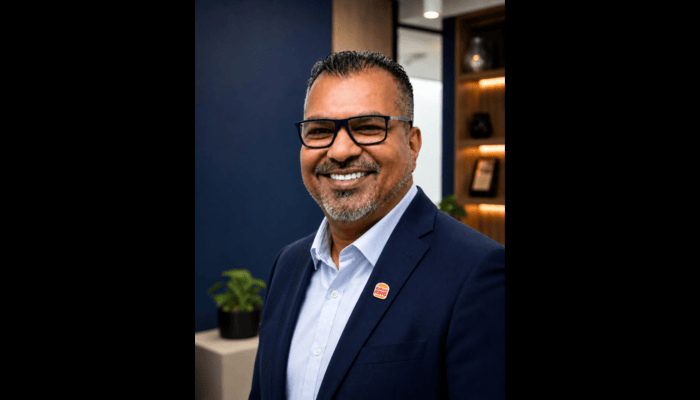
In an exclusive virtual conversation with Nairametrics, Rushdi Ibrahim, Managing Director and CEO of Burger King Nigeria, shared insights into the company’s growth strategy, the importance of adaptability within global food systems, and how evolving consumer lifestyles are shaping the future of quick-service dining in Nigeria. He discussed localization, affordability, operational consistency, changing consumption patterns, and the opportunities and challenges shaping the broader QSR landscape, while also outlining how Burger King is positioning itself for sustained growth and relevance within the Nigerian market.