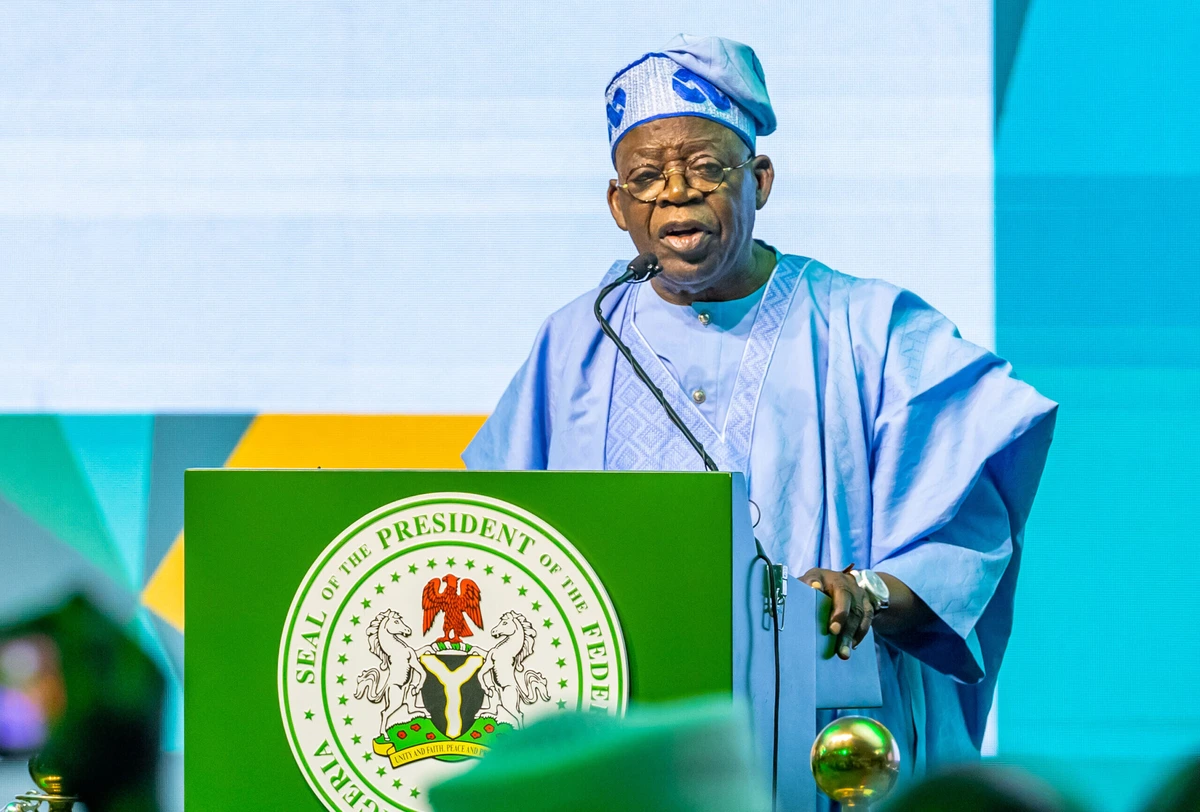
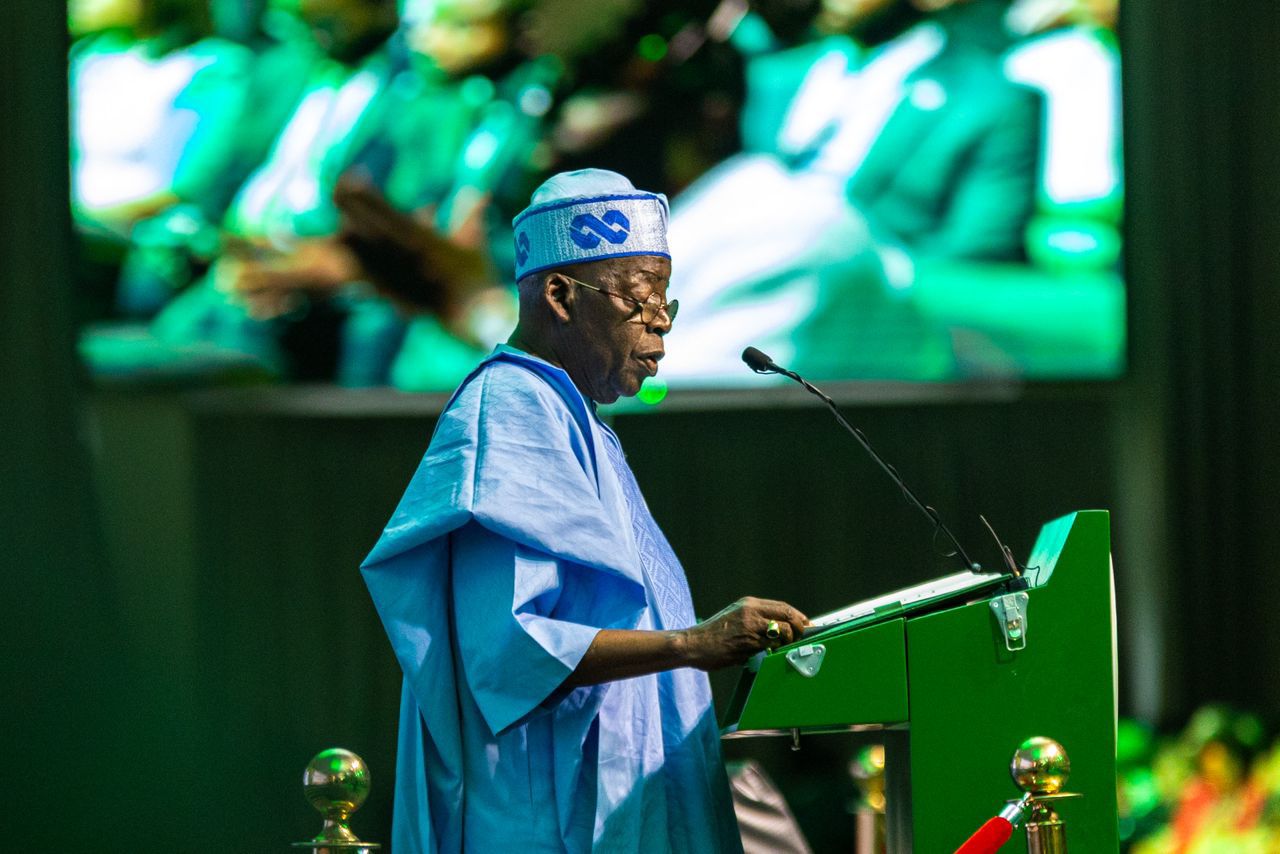
President Bola Ahmed Tinubu has commissioned Africa’s first renewable energy college, the Barefoot Renewable Energy College, Osara (BARECKS), alongside the Green Hydrogen Research and Demonstration Pilot Plant in Kogi State. The facilities are aimed at building the technical workforce required for Nigeria's clean-energy transition.
Vice President Kashim Shettima commissioned the facilities on behalf of the President on Tuesday, August 4, 2026, at the Confluence University of Science and Technology in Osara. The President described the college as a world-class institution built to international standards to help Nigeria convert its natural resources into electricity and jobs.
Building Technical Capacity for Energy Transition
President Tinubu stated that while Nigeria is endowed with sunlight, wind, biomass, and water, it has historically struggled to convert these resources into megawatts and employment. He noted that the college is modelled after India's vocational colleges, which successfully trained rural citizens as solar engineers.
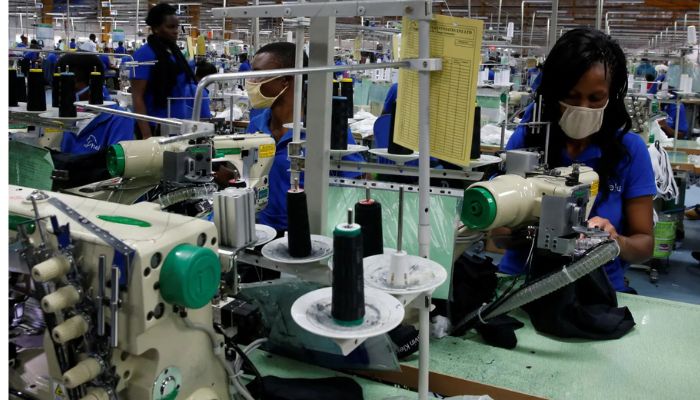
The college will operate as a vocational and technical institution designed to address the shortage of competent technical manpower in Africa's energy sector. It will focus on training technicians, installers, operators, and maintenance professionals in practical renewable energy technologies.
The President highlighted that the project was completed rapidly, noting that the groundbreaking ceremony took place just two years ago on the same site. He called on private-sector organisations, development partners, and international research bodies to collaborate with the institution to expand technical training.
Bridging Nigeria's Rural Electrification Gap
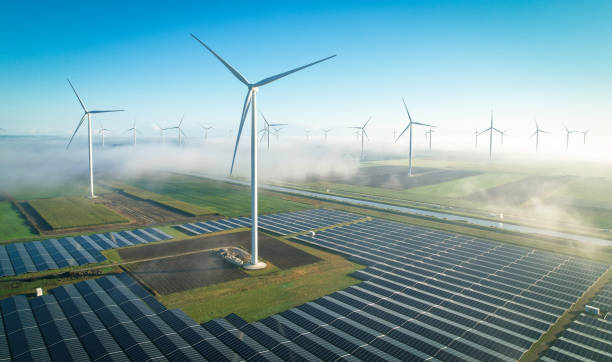
Nigeria’s Energy Transition Plan outlines a roadmap to achieve net-zero emissions by 2060, though experts note that implementation remains slow in rural areas. Data from the Rural Electrification Agency indicates that the country requires at least 5 million off-grid solar systems to serve unpowered communities.
Financial flows for clean energy projects in developing countries, including Nigeria, have recently risen to $21.57 billion. To support these efforts, the European Union unveiled a €545 million package in September 2025 to scale up renewable energy investments across Africa.
Energy and climate experts have urged the federal government to introduce stronger policy incentives for large-scale solar installations. Taking advantage of these clean energy pathways could unlock an estimated $2.5 billion carbon market opportunity for the country.