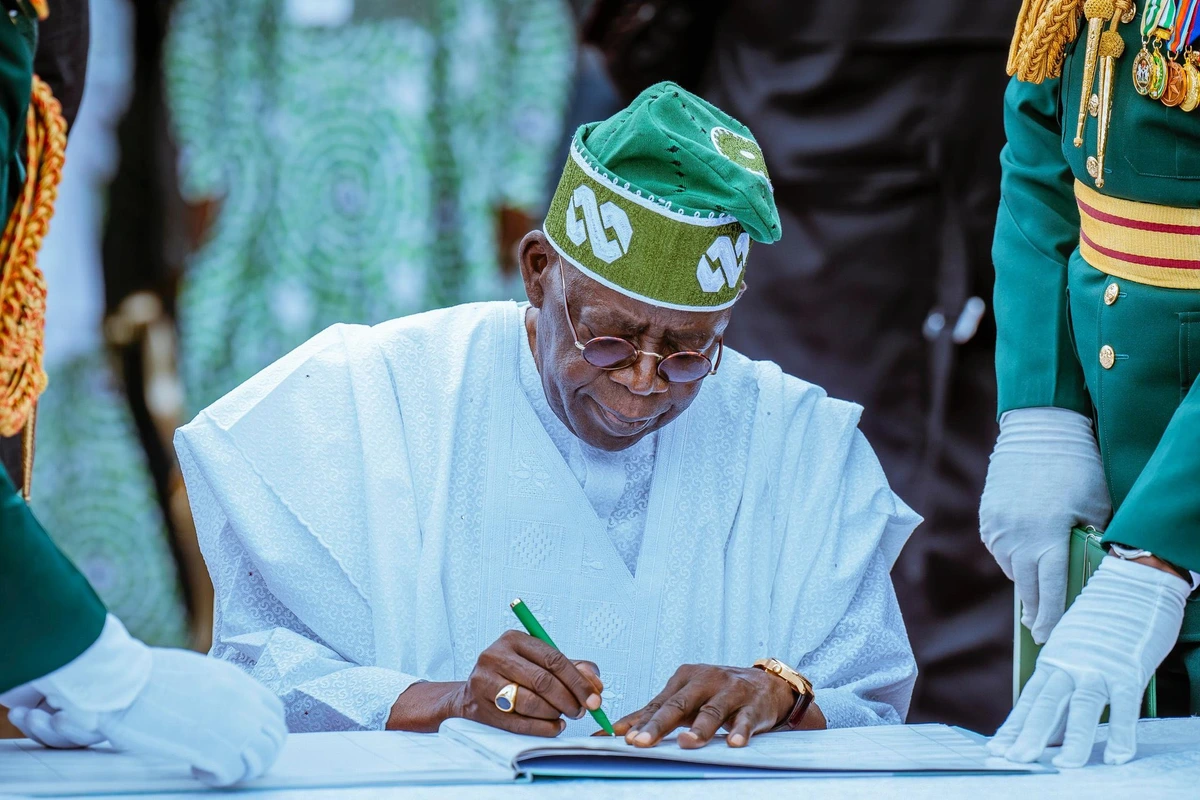
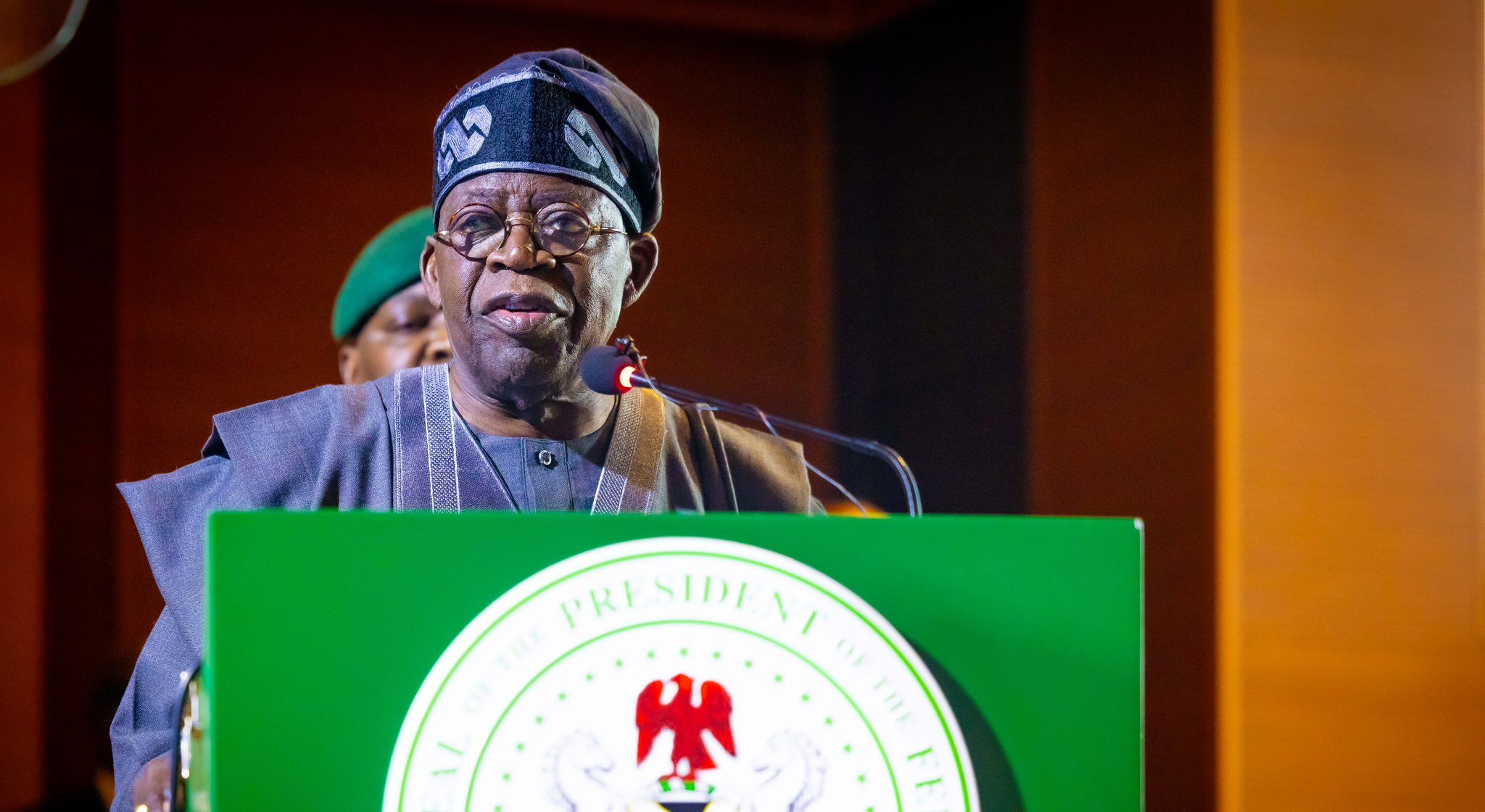
President Bola Tinubu has approved a deep offshore investment reform designed to attract up to $50 billion in new capital to Nigeria's oil and gas sector. The reform replaces the long-standing system of project-by-project negotiations with a transparent, rules-based investment framework.
Bayo Onanuga, Special Adviser to the President on Information and Strategy, announced the approval on Tuesday, August 11, 2026. He stated that the policy aims to restart large-scale offshore developments that have remained stalled for decades.
New Tax Remission Order Replaces Project Negotiations
The presidency is implementing the new framework through the Deep Offshore Oil and Gas Projects Incentives (Tax Remission) Order, 2026. This order establishes clear eligibility criteria and implementation processes to provide investors with long-term certainty.
Previously, operators had to negotiate incentives individually for each project, which created delays and unpredictable terms. The new rules-based system seeks to improve Nigeria's competitiveness in attracting globally mobile investment capital.
President Tinubu stated that the reform reflects his administration's commitment to building an investment environment anchored on clear rules and strong partnerships. He noted that the government is creating the conditions for capital to flow and for natural resources to deliver lasting national value.
Bonga South West and Usan Projects Lead the Wave
The new framework will support the next generation of deep offshore projects, starting with the approximately $10 billion Bonga South West project. In January 2026, the President approved the gazetting of targeted, investment-linked incentives for Shell's proposed development to help accelerate its Final Investment Decision.
This policy push follows other recent offshore commitments, including a $1 billion investment by ExxonMobil and its partners in the Usan Infill Project. The Usan development is expected to increase Nigeria's crude oil production by approximately 40,000 barrels per day.
Nigeria's deep offshore sector has struggled with declining production as existing fields mature and international oil companies remain cautious. The Bonga South-West project serves as a key test of whether these policy reforms can translate into actual bankable investments.
Focus on Local Jobs and Domestic Supply Chains
Olu Arowolo-Verheijen, Special Adviser to the President on Oil and Gas, explained that qualifying projects must prioritize execution within Nigeria where commercially and technically feasible. This requirement aims to strengthen domestic engineering, fabrication, marine logistics, and project management.
The administration expects the reform to do more than just increase crude production and foreign exchange earnings. The broader goal is to create skilled jobs, deepen local supply chains, and position Nigeria as Africa's regional hub for deep offshore project execution.