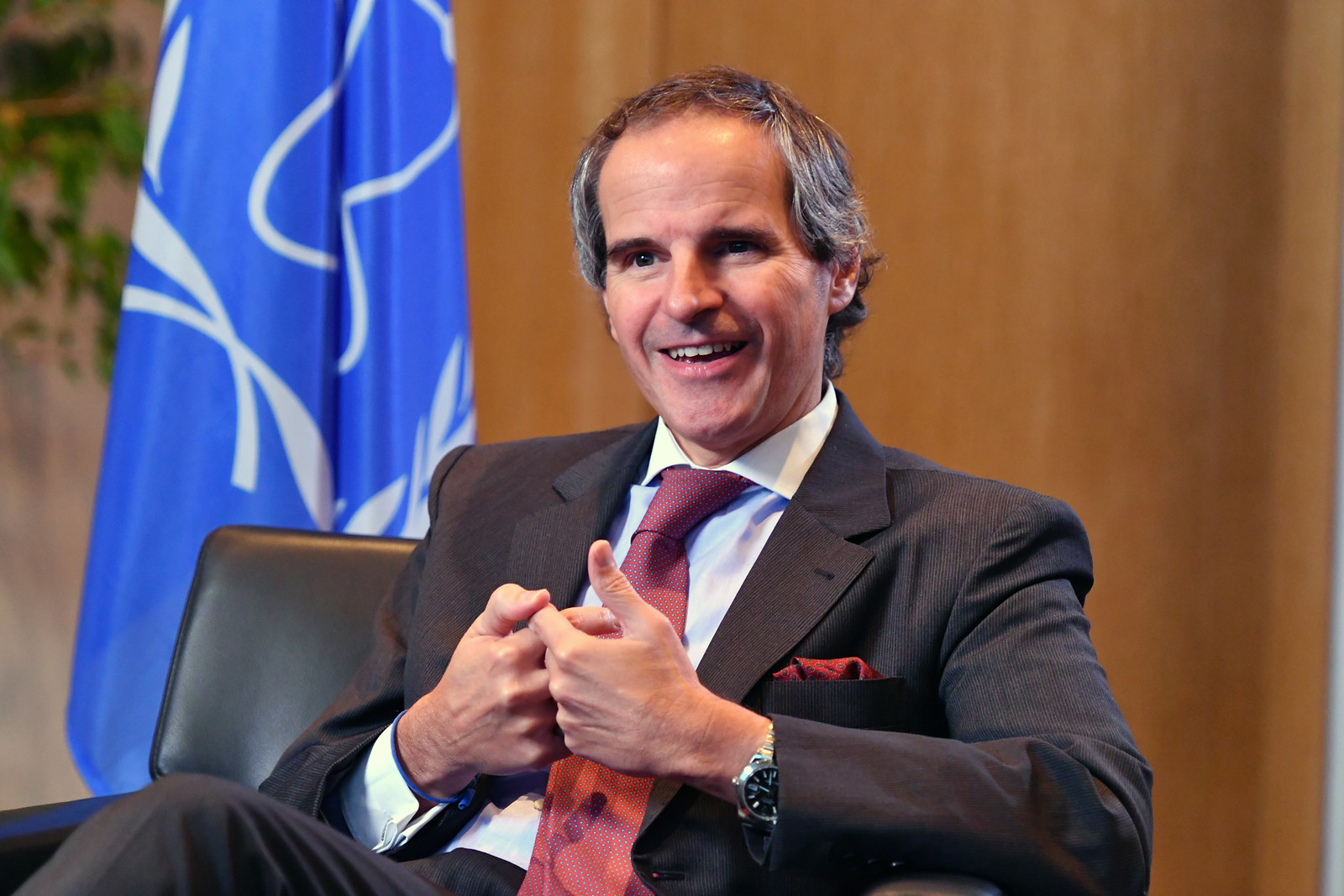
Discussions surrounding Nigeria's nuclear power programme are still active, with continuous technical engagements taking place between the International Atomic Energy Agency (IAEA) and Nigerian authorities. This was confirmed by IAEA Director General Rafael Grossi.
Mr. Grossi indicated that the agency has maintained its collaboration with Nigeria on the nuclear power plan, involving ongoing technical-level work, visits, and meetings with relevant stakeholders. He noted that while no final decision has been made, the exploration of nuclear energy as an alternative is progressing.
Speaking in Vienna, Austria, Mr. Grossi described Nigeria's pursuit of nuclear energy as a "logical move for a country of your (Nigeria’s) size and importance." He acknowledged that Nigeria's status as a major oil producer presents a unique context for these discussions compared to other nations.
The IAEA chief emphasized that the conversation around nuclear energy for Nigeria is largely about diversification rather than immediate necessity, but stressed that the dialogue remains very much alive.
Nigeria's nuclear energy initiative operates under the IAEA's guidance and safety standards, aiming to integrate clean nuclear electricity into the national grid. The programme is primarily managed by the Nigeria Atomic Energy Commission (NAEC) and is reportedly advancing through foundational infrastructure and planning stages.
In September 2023, Nigeria signed its Country Programme Framework (CPF) for 2024–2029 on the sidelines of the IAEA General Conference. The CPF serves as a framework for medium-term planning of technical cooperation between Nigeria and the IAEA, identifying key areas for nuclear technology transfer and cooperation to support national development goals.
Nigeria has been a member of the IAEA since 1957. Its fourth CPF (2024–2029) prioritizes areas such as nuclear and radiation safety and security, food and agriculture, health and nutrition, water and environment, and energy planning and development.