The Transmission Company of Nigeria (TCN) has raised an alarm over the increasing vandalism of critical power infrastructure in Ebonyi State. The company warns that continued attacks on transmission facilities could trigger widespread blackouts, economic losses, and serious safety hazards.
Thomas Inugonum, the General Manager of TCN's Enugu Region, issued this warning during a sensitization program in Ezza Umuhuali Town Hall, Ishielu Local Government Area. He urged traditional rulers, community leaders, youths, and security personnel to take ownership of transmission facilities and collaborate with authorities to safeguard them.
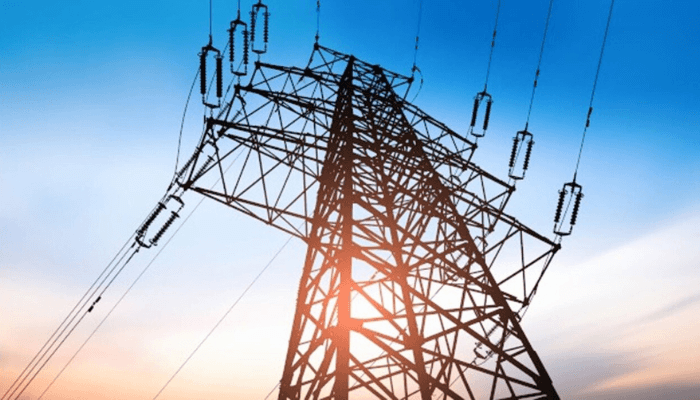
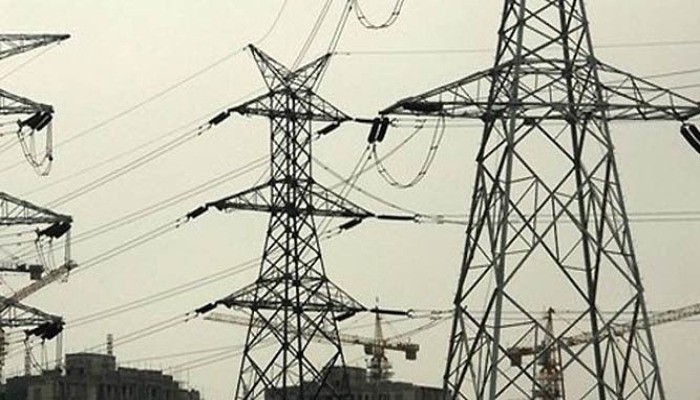
Inugonum described the vandalism of transmission towers and related installations as a significant threat to national development and reliable electricity supply. Common violations include the theft of components from 330kV and 132kV lines, illegal construction within transmission corridors, excavation around tower foundations, and activities beneath power lines.
He highlighted the dangers, recalling an incident in July 2025 where an alleged vandal was electrocuted while attempting to dismantle Tower 34 on the Nkalagu-Abakaliki 132kV transmission line. Additionally, two suspected vandals were arrested on May 9, 2026, for allegedly removing components from towers T15, T16, and T17 along the same line.
“The tower, worth millions of naira, was removed and sold to scrap dealers for almost nothing. This is economic sabotage and must stop,” Inugonum stated. He warned that persistent vandalism could lead to the collapse of transmission towers, prolonged power outages, and the diversion of government funds from development projects to emergency repairs.
The TCN has recently lost six towers to vandalism on the Lafia-Api transmission line, with nine additional towers damaged shortly after. Each transmission tower costs approximately $330,000 to procure and install, representing a substantial financial burden on the government, especially as these components are imported.
Residents were also cautioned against erecting houses, markets, and other structures within transmission rights-of-way. The approved corridor for a 132kV line is 15 metres on either side, while a 330kV line requires a 25-metre clearance. Living or conducting business under high-voltage lines poses electrocution risks.
Inugonum appealed to residents to report suspicious activities around TCN installations to the company, the Nigeria Security and Civil Defence Corps (NSCDC), or the police. He urged traditional rulers and community leaders to educate youths on the dangers of vandalism and support efforts to protect critical national assets.
Patrick Nwafor Udoku, the Traditional Ruler of Ezza Umuhuali Autonomous Community, commended TCN for the awareness campaign, noting its importance in preventing avoidable deaths and improving public understanding of power installation dangers. He pledged the community's commitment to protecting transmission infrastructure.
Solomon Nweke, President General of Ezza Umuhuali Town Union, attributed the arrest of suspected vandals to the vigilance of local security operatives and community leaders. He urged TCN to sustain its engagement with host communities and strengthen support for grassroots surveillance.
The sensitization program is part of TCN's nationwide campaign to encourage community participation in protecting critical electricity infrastructure, with similar engagements held in Benue and Enugu states. Participants pledged to collaborate with TCN and security agencies to safeguard transmission facilities.