Nigeria's headline inflation rate climbed to 15.93% in May 2026, marking a continued upward trend from the previous month, as reported by the National Bureau of Statistics (NBS). This figure represents an increase from the 15.69% recorded in April 2026.
The NBS data, detailed in the Consumer Price Index (CPI) report, indicates that while prices are still rising, the monthly rate of inflation has moderated. The month-on-month inflation slowed to 1.75% in May, down from 2.13% in April.
Drivers of Inflation
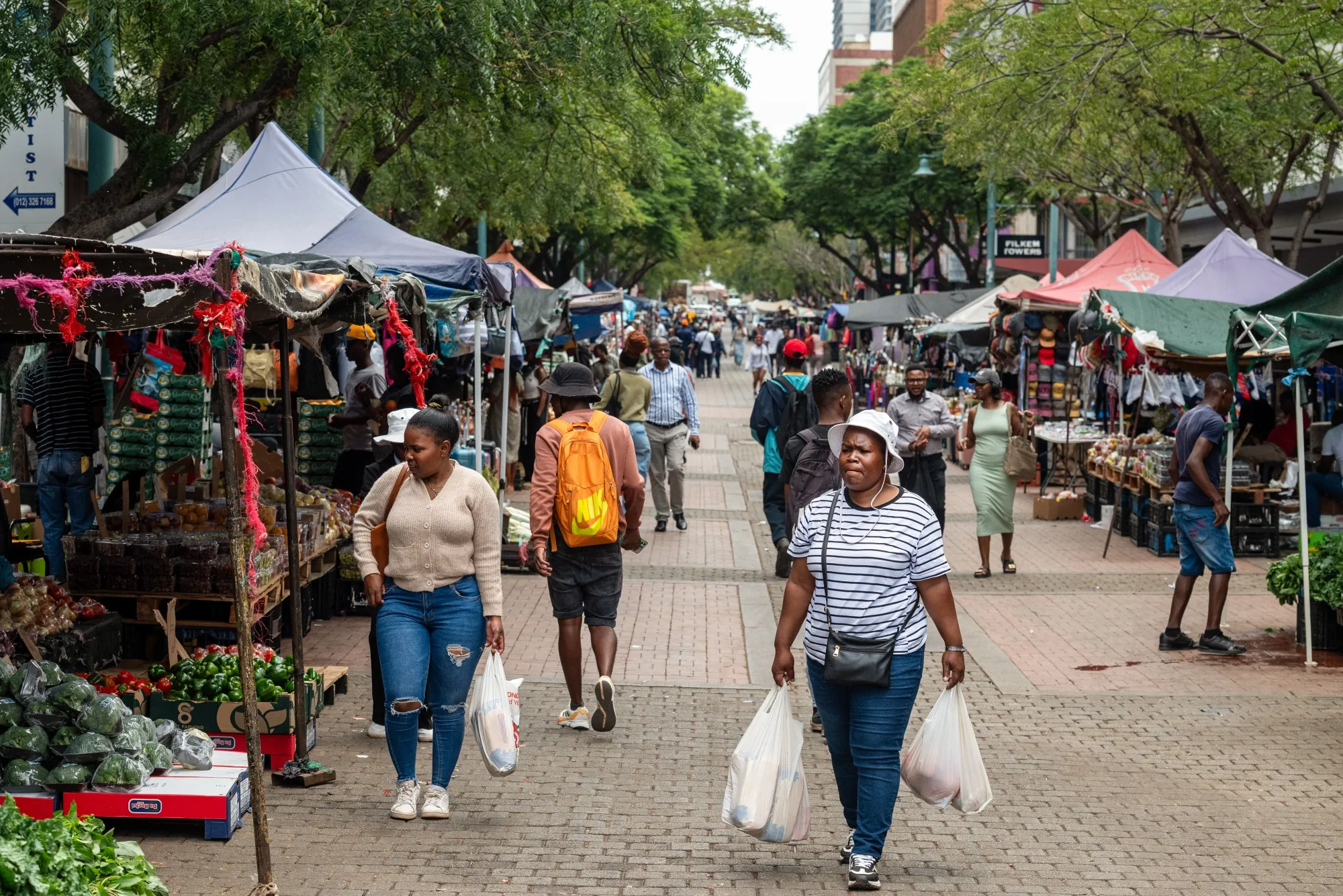
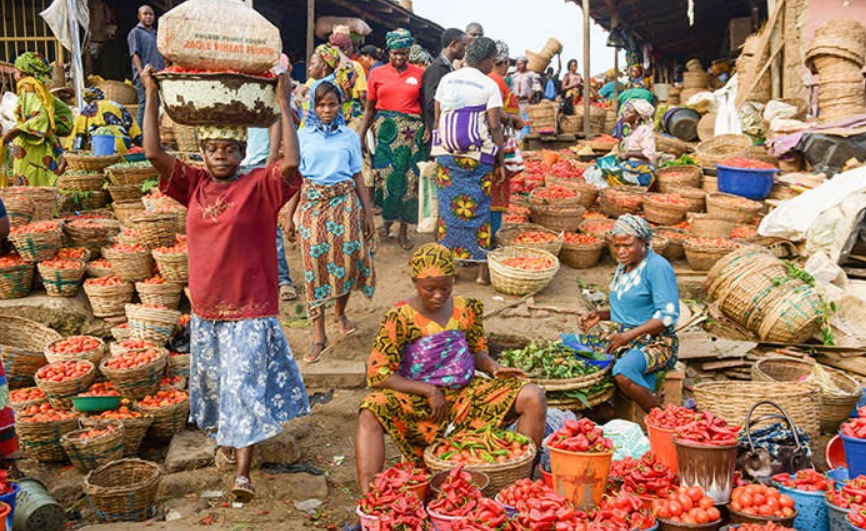
Food prices, a significant component of household expenditure, also saw an increase. Food inflation rose to 16.96% in May, up from 16.68% in April. The NBS attributed this rise to price changes in key food items including fresh onions, maize grains, melon, water yams, cassava flour, crayfish, fresh pepper, tomatoes, wheat grains, yam tubers, sweet potatoes, ginger, plantain, and cowpea.
Despite the annual increase, the monthly food inflation rate declined to 2.98% in May from 3.63% in April, suggesting a slower pace of food price escalation during the month.
On a year-on-year basis, Adamawa recorded the highest food inflation rate at 29.62%, followed by Kwara at 28.47% and Rivers at 28.40%. Conversely, Borno had the lowest food inflation rate at -6.53%.
Economic Impact and Expert Views
The slump in agricultural imports, which fell by 20% to N827.7 billion in the first quarter of 2026, reflects a broader decline in consumer demand due to low purchasing power. Experts, such as AfricanFarmer Mogaji, an agricultural expert, noted that Nigerians are buying less due to affordability issues.
The Centre for the Promotion of Private Enterprise (CPPE) has called on the government to tackle insecurity and improve food supply chains to curb inflation. The CPPE highlighted that food and beverages, transportation, housing, energy, health, and education are the primary drivers of inflation, accounting for about 87% of the headline figure.
The organisation emphasized that insecurity in farming communities disrupts agricultural output and tightens food supply, directly fueling food inflation. Therefore, addressing security is seen as a critical inflation-management strategy.
The CPPE also pointed to external factors, including the surge in crude oil prices, higher marine insurance costs, and disruptions to shipping routes, as contributing to upward pressure on domestic prices.
State-Level Inflation
The NBS report also detailed inflation rates across states. Zamfara recorded a 20.2% inflation rate in May, while Enugu followed with 20.4%, and Benue with 20.6%. Akwa Ibom and Delta both recorded 21.5% inflation, with Bauchi at 22.0%, Abia at 22.2%, and Sokoto at 22.6%.