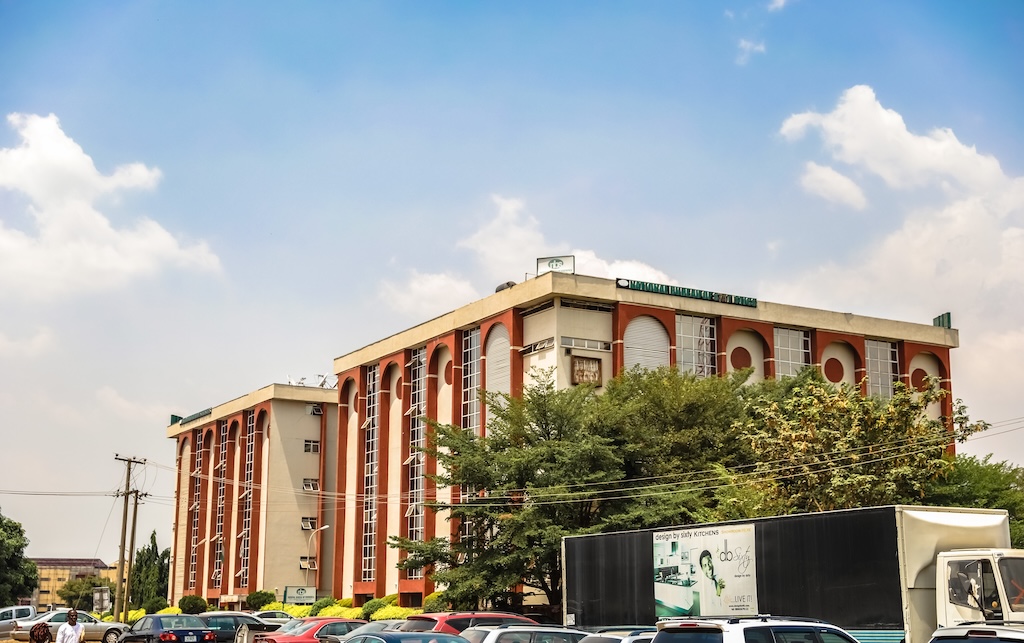
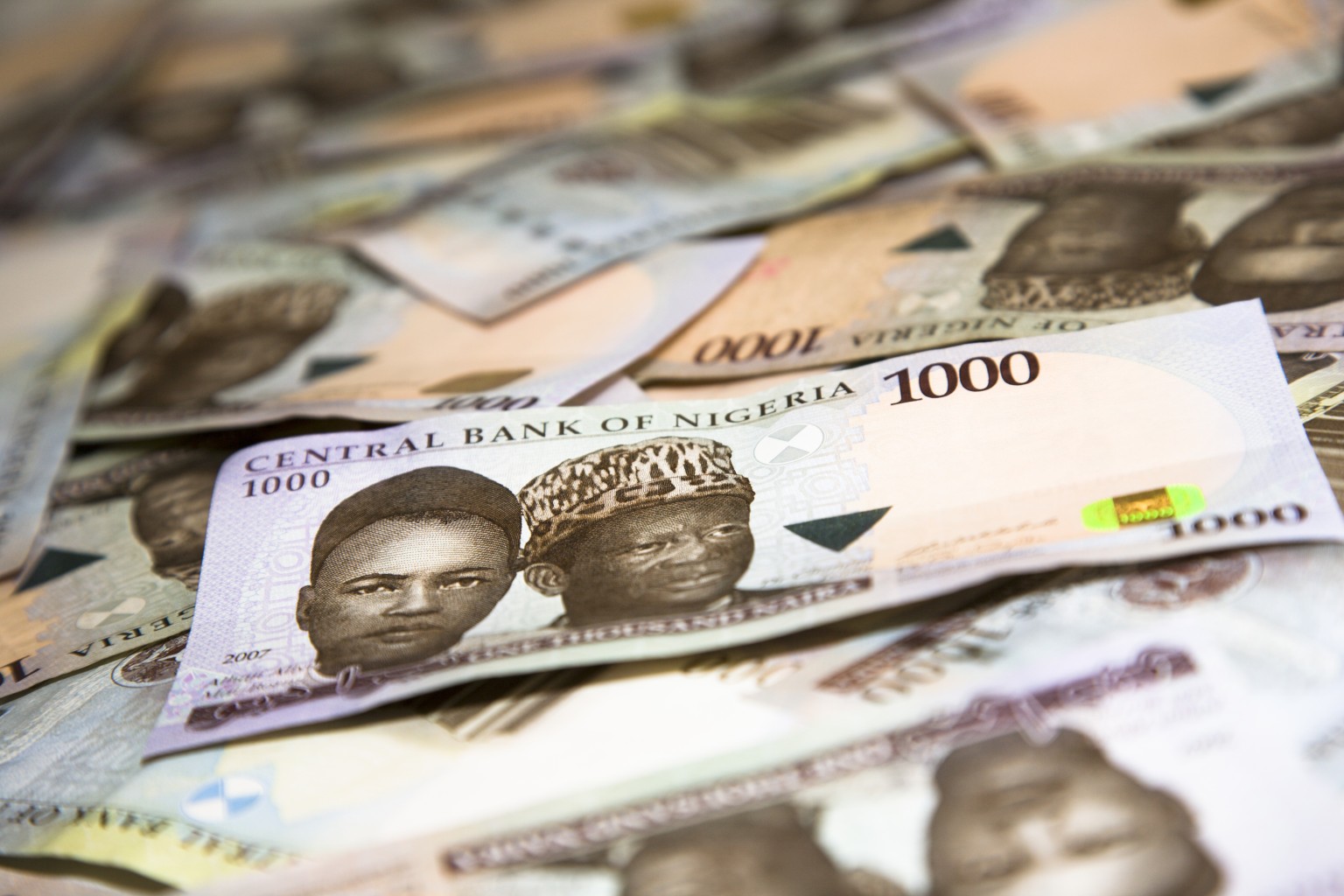
Nigeria's headline inflation rate saw a marginal ease to 15.91% in June 2026, a slight decrease from the 15.93% recorded in May. This modest moderation was reported by the National Bureau of Statistics (NBS) in its latest Consumer Price Index (CPI) report released on Wednesday, July 15, 2026.
Despite the overall slowdown, the report highlighted persistent pressure from rising food prices, which continued to impact household budgets across the nation. The June 2026 headline inflation rate was significantly lower than the 25.29% recorded in June 2025, marking a year-on-year decline.
On a month-on-month basis, headline inflation slowed to 1.66% in June from 1.75% in May, indicating a slower pace of average price increases during the month. This marks the first decline after three consecutive monthly increases, which saw inflation rise from 15.06% in February to 15.38% in March, 15.69% in April, and 15.93% in May.
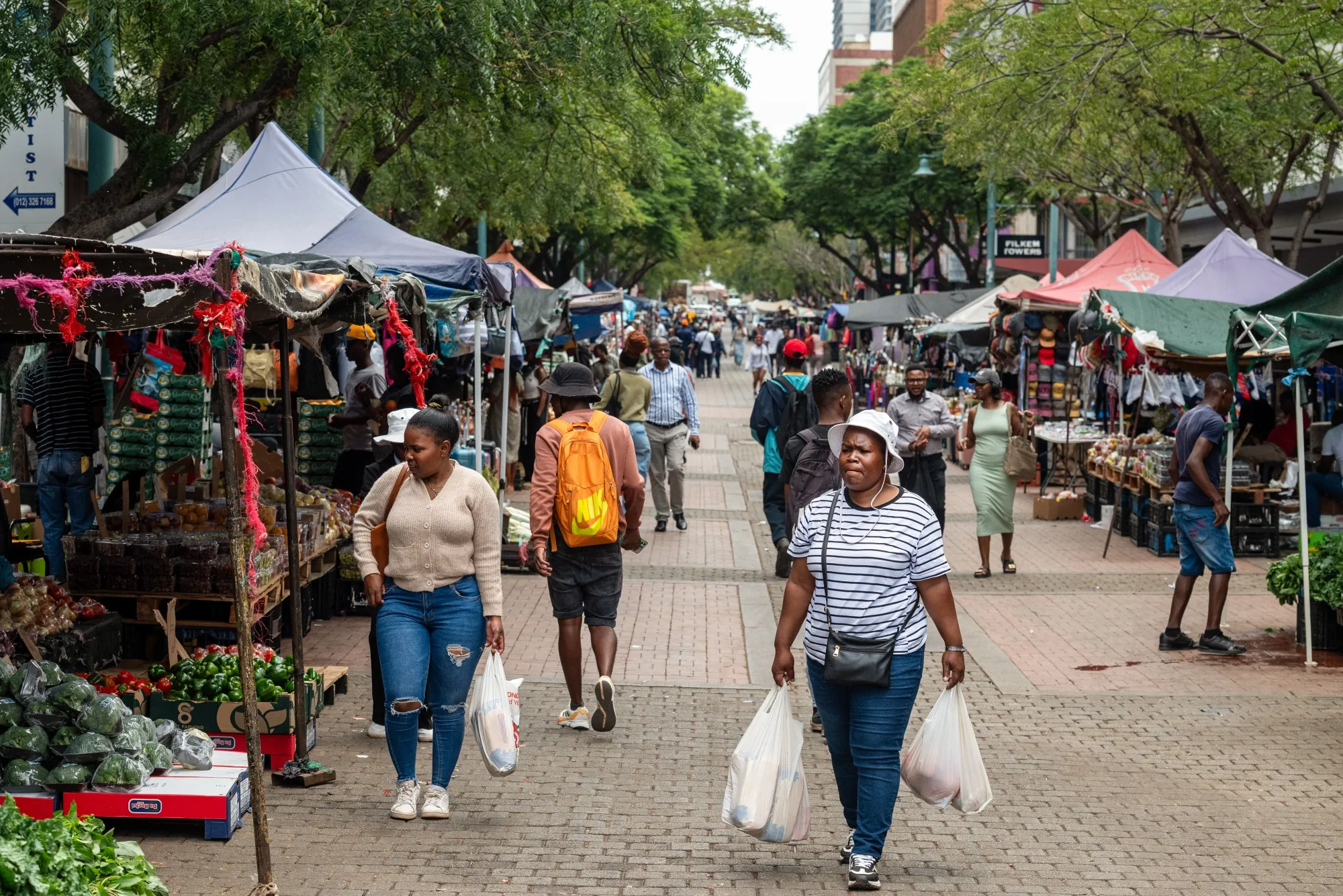
Food inflation stood at 17.52% on a year-on-year basis in June, compared with 25.41% in the corresponding period of 2025. However, on a month-on-month basis, food inflation accelerated to 3.75% in June from 2.98% recorded in May.
The NBS attributed this increase to higher prices of various staple food items, including fresh pepper, tomatoes, crayfish, beef, garri, yam tubers, yam flour, cassava flour, cowpea, bananas, Irish potatoes, green peas (dried), and water yam. Food and non-alcoholic beverages remained the largest contributor to headline inflation, accounting for 6.37 percentage points.
Core inflation, which excludes volatile agricultural produce and energy prices, also moderated. It stood at 15.92% year-on-year in June, down from 25.41% recorded in June 2025, representing a 9.49% decline. Month-on-month core inflation also slowed to 1.66% from 1.94% in May, a decrease of 0.28%.
Other significant contributors to headline inflation included restaurants and accommodation services (2.06 percentage points), transport (1.70 percentage points), housing, water, electricity, gas and other fuels (1.34 percentage points), education (0.99 percentage points), and health (0.96 percentage points).
The report further detailed that the average headline inflation rate for the 12 months ending June 2026 was 17.63%, lower than 29.82% recorded in June 2025. Similarly, the average annual food inflation rate declined to 16.42% from 31.93% in the corresponding period of the previous year.
Urban inflation stood at 16.08% year-on-year, while rural inflation was 15.48%. On a month-on-month basis, urban inflation increased to 2.13% from 1.99% in May, an increase of 0.14%, whereas rural inflation slowed to 0.52% from 1.17% in May, a decrease of 0.64%.
Inflation rates varied significantly across states. Niger State recorded the highest annual all-items inflation rate at 42.23%, followed by Kogi (41.59%) and the Federal Capital Territory (39.91%). Imo State posted the lowest annual inflation rate at 19.47%, with Ebonyi (20.79%) and Katsina (21.87%) also recording low rates.
For food inflation, Kogi State recorded the highest year-on-year rate at 53.02%, followed by Niger (43.83%) and Benue (40.83%). The lowest year-on-year food inflation rates were in Katsina (19.15%), Rivers (23.81%), and Imo (24.60%). On a month-on-month basis, food inflation was highest in Katsina (16.82%), Kebbi (9.79%), and Niger (8.96%), while Borno recorded the slowest at -3.54%, followed by Benue (-2.36%), and Bayelsa (-1.34%).
These June inflation figures come as Nigeria continues to navigate the effects of ongoing economic reforms, including exchange rate adjustments and higher energy and transportation costs. Analysts will be watching whether improvements in exchange rate stability, lower energy costs, increased food supply, and agricultural interventions can help sustain the disinflation trend in the second half of 2026, especially with concerns about higher global crude oil prices due to the US-Iran conflict.