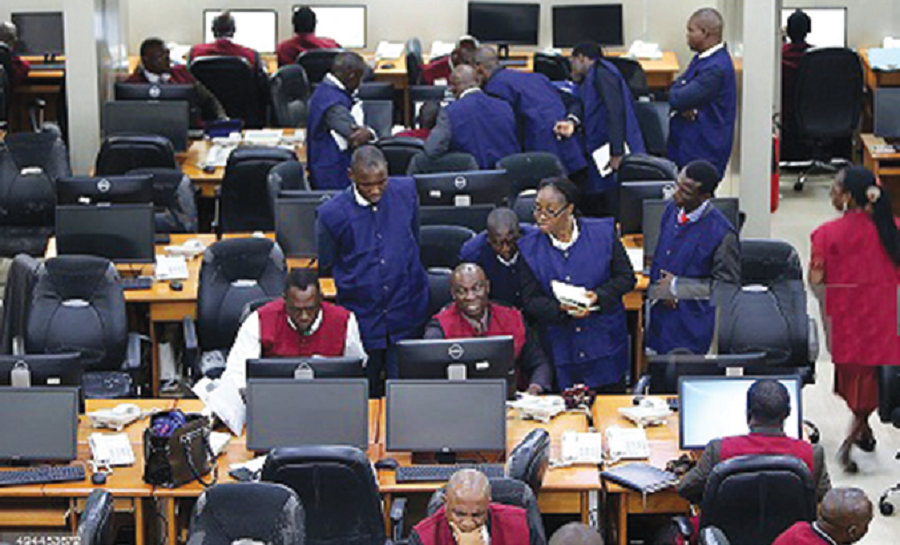
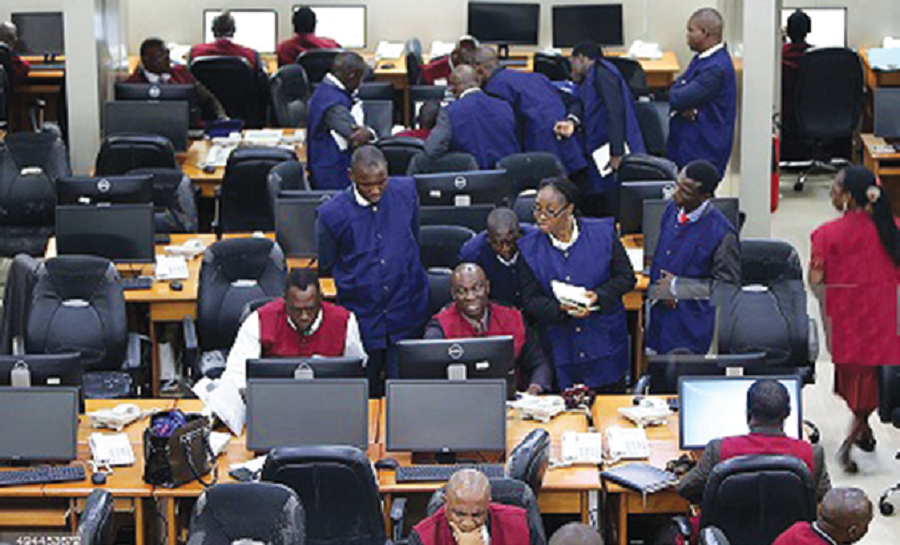
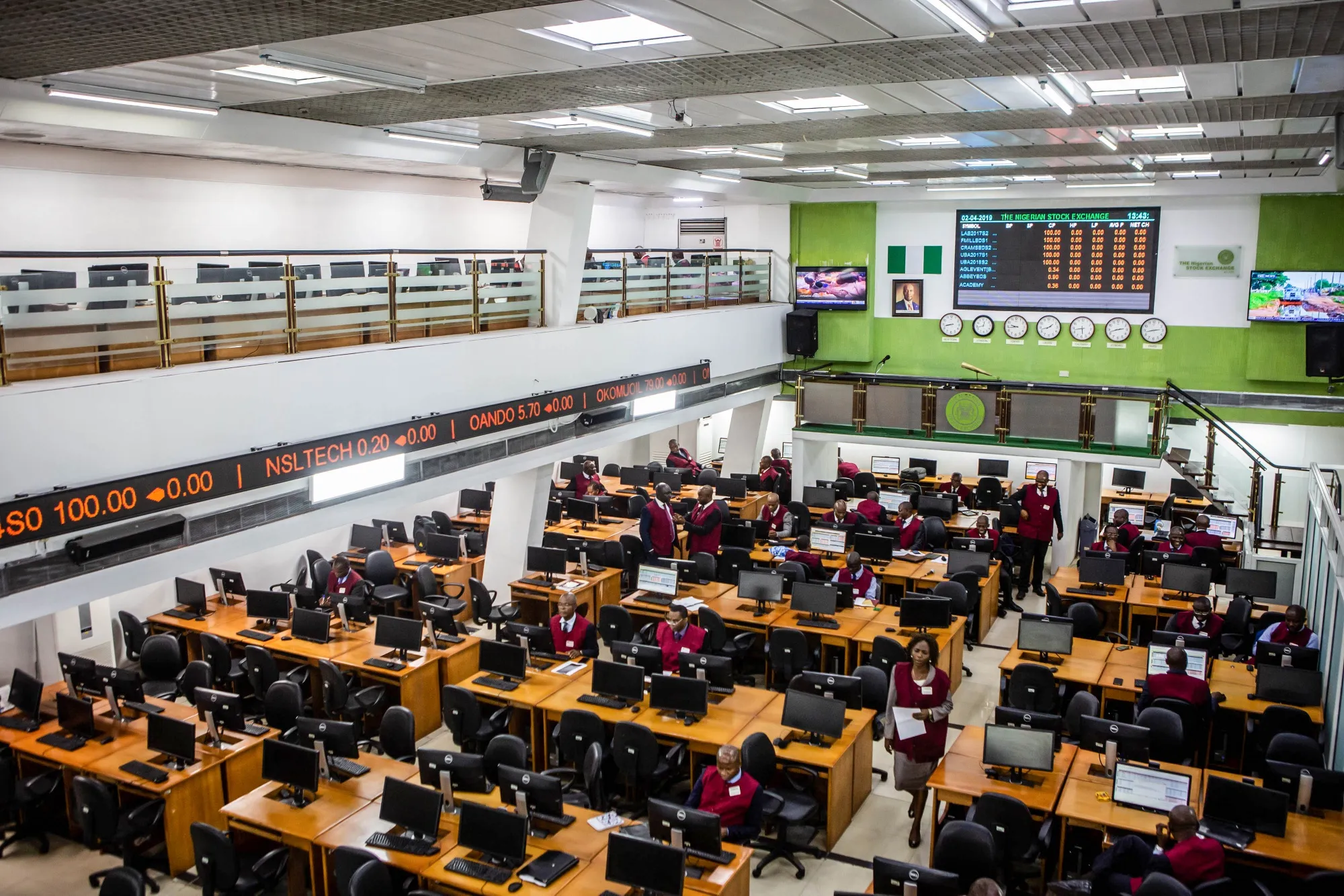
Experts have linked the market slowdown observed in the first week of June to the newly launched T+1 settlement cycle. This transition, which took effect on June 1, 2026, has coincided with a notable decline in trading volumes and a selloff in stock prices on the Nigerian Exchange (NGX).
Market analysts suggest that foreign investors are currently staying on the sidelines to assess the impact of this new framework. The NGX’s move to a T+1 settlement cycle for equities aligns the local market with some of the world’s more advanced capital markets, marking a shift from the previous two-day settlement framework.
Samson Esemuede, Chief Investment Officer at Zrosk Investment Management Ltd, explained that settlement is the point at which cash leaves an investor’s account and securities are credited to their custody account. Nigeria previously operated on a T+3 settlement framework before moving to T+2 in November 2025, and subsequently compressing the cycle to T+1.
Esemuede noted that while the T+1 cycle should not be a significant problem for retail investors due to instant settlement, local investors need to ensure cash availability. The primary challenge appears to be with foreign investors, whose trade flows involve multiple intermediaries including global custodians, local custodians, brokers, and the Central Securities Clearing System, along with a separate foreign exchange leg.
To comply with the faster settlement cycle, foreign funds may need to pre-fund Naira positions. However, this creates additional complications as the Nigerian currency is viewed as a risk asset. Risk managers typically require hedging before allowing such pre-funding, but Nigeria’s foreign exchange market is still evolving and lacks sufficient hedging instruments to efficiently eliminate currency risk.
Furthermore, Esemuede highlighted that hedging costs remain expensive, adding complexity for foreign institutional investors who must manage both securities settlement and FX exposure under the new T+1 regime.