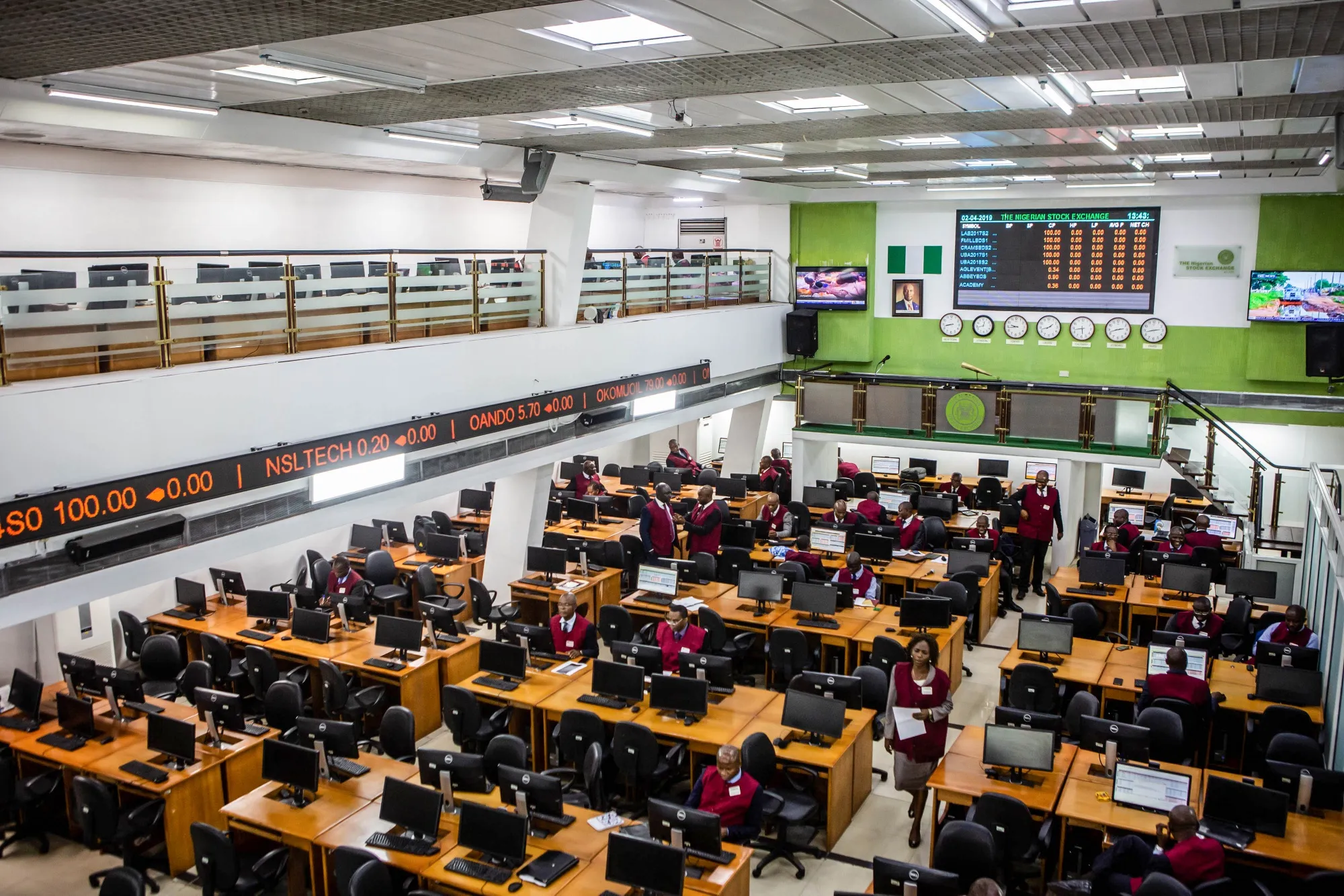
Nigerian stocks are currently experiencing an intense battle between long-term structural bulls, who seek to hedge against inflation with equities, and tactical desks aiming to capitalize on significant Year-to-Date returns. The All-Share Index (ASI) is positioned just below its all-time high of 254,067 and is actively engaging with the 234,178 levels.
Further upward movement is anticipated once the 241k-245k range is decisively breached on strong volume. The market recently witnessed a sharp mid-year profit-taking correction, but bulls fiercely defended a robust double-bottom floor on the 224,285 support lines, leading to a violent +2.15% reversal in a single session and reclaiming the 234k territory.
For the multi-year rally to truly re-ignite, markets require a clean break and close above the 241k-245k levels. The ASI has already surged with an impressive 50% YTD gain, reflecting a stark disparity in how companies have navigated macroeconomic conditions.
While fundamental support for the NGX remains robust, it is also highly selective. There appears to be limited room for broader market index trackers, with outright outperformance demanding targeted long bets on heavily asset-weighted sectors, particularly those benefiting from tight monetary policy.
Tier 1 banks, including GTCO, and oil sector players such as Seplat and Aradel, are reporting substantial nominal earnings. High interest rates are enabling banks to achieve all-time high net interest margins, while their FX-denominated energy revenues provide a shield against local economic headwinds for energy companies.
Conversely, the consumer goods and FMCG sectors are facing significant challenges. Surging input and transportation costs, coupled with local margin pressures, are taking a toll on consumer counters, causing this sector to lag behind the broader market rally, even as the Banking Index continues its ascent.
The naira's recent stability played a crucial role in guaranteeing a formidable 31% gain in dollar terms, drawing the attention of a vast pool of foreign portfolio investors (FPIs). However, FPIs are known for their short-term engagement; they typically take profits quickly once structural resistance emerges on the exchange rate front, leading to a rapid drying up of stock market liquidity when external macro forces reverse their exposure.
A dominant positive factor currently influencing equity volumes is the Central Bank of Nigeria's (CBN) timed banking recapitalization hard deadline. Major institutional investors in banks like GTCO are aggressively re-aligning balance sheets, channeling substantial retail and local institutional capital into the high-yielding financial sector.
Local Asset Managers have limited alternatives for effectively deploying cash. While OMO bills and Fixed Income instruments are absorbing some liquidity, Nigeria's inflation remains highly restrictive, and the Naira is experiencing severe real-term devaluation. Consequently, equities are emerging as the only serious avenue for chasing positive real returns.
The rebalancing of top indices, such as the NGX-30, necessitates that passive funds and PFAs reallocate cash from less stellar names into top movers like NASCON and Unilever. This dynamic forces institutional buying during any dip attempts in these premier blue-chip stocks.
The entire Nigerian capital market is eagerly awaiting the giant Dangote Refinery IPO. This listing is expected to demand a massive amount of cash from institutional funds. As a result, some 'non-core' equity names will likely be selectively unwound over the next few weeks, creating sharp, highly tactical trading entry windows for premier blue-chip stocks.