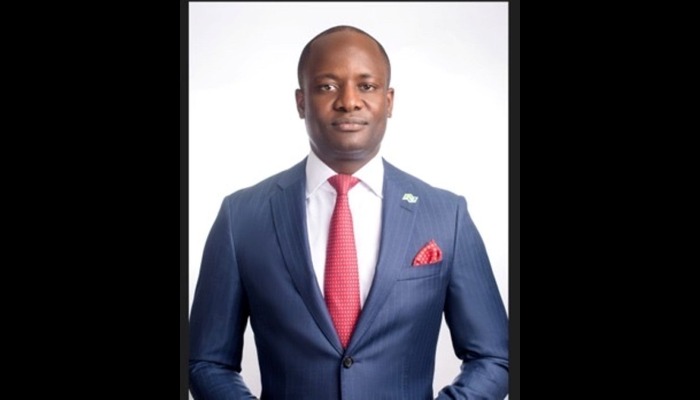
A delegation from the Nigerian Exchange Group (NGX), led by its Chairman, Umaru Kwairanga, recently met with FTSE Russell, international institutional investors, custodians, and other key capital market stakeholders in London. The primary objective of the engagement was to address concerns surrounding the market’s T+1 settlement cycle.
This meeting occurred shortly after FTSE Russell announced its decision to pause the reclassification of Nigeria as a Frontier Market. This pause came despite recent reforms aimed at enhancing market accessibility and efficiency within the Nigerian capital market.
According to a senior NGX official present at the meeting, the discussions were described as “fruitful and frank.” The engagement provided an essential platform for Nigerian market stakeholders to seek clarity on the reasons behind FTSE Russell’s hesitation and to outline ongoing reforms designed to bolster investor confidence.
The NGX delegation expressed gratitude to FTSE Russell for granting the meeting on short notice. They sought detailed explanations regarding the factors that informed the index provider’s latest decision, with the aim of addressing any outstanding concerns.
A central focus of the discussions was Nigeria’s transition to a T+1 settlement cycle. This new framework, which involves clearing and settling trades one business day after execution, came into effect last month following extensive consultations among regulators, market operators, infrastructure providers, and other stakeholders.
The delegation emphasized that the T+1 framework was jointly developed through industry-wide consultations and has been operating smoothly since its implementation. They also highlighted that the Securities and Exchange Commission (SEC) approved the transition and reiterated Nigeria’s readiness to address any concerns within the framework of the new settlement cycle.
Proposals aimed at further aligning Nigeria’s market operations with international best practices under the T+1 regime were also presented by the delegation. The NGX is currently awaiting feedback from FTSE Russell and other stakeholders on these proposals. The strong participation of major institutional investors and global custodians significantly contributed to the success of the engagement, fostering an atmosphere of openness and trust.
Last month, FTSE Russell had placed its planned reclassification of Nigeria back to Frontier Market status under “further review.” The organization stated that this decision was made to thoroughly assess how Nigeria’s recent transition to the shortened T+1 settlement cycle affects international institutional investors. A definitive update on Nigeria’s potential return to the Frontier Market index is expected by the end of August 2026. Nigeria had initially been upgraded from “Unclassified” back to “Frontier Market” status during the March 2026 interim review, with an effective implementation date set for September 2026.
Dr. Khalid Yusuf Ahmed, a public finance expert, commended the leadership of the NGX for this proactive engagement. He stated that such efforts represent strategic initiatives to strengthen investor confidence, enhance market credibility, improve capital flows, and reinforce Nigeria’s position within the global financial ecosystem.
Ahmed further emphasized that capital markets thrive on confidence, transparency, sound governance, and continuous engagement with global investors. He added that strengthening these relationships is crucial not only for market development but also for unlocking economic opportunities that drive business growth, job creation, innovation, and national prosperity.
Just a week after FTSE Russell’s announcement, S&P Dow Jones Indices (S&P DJI) placed Nigeria on its 2027 watchlist for a potential reclassification as a “Frontier” market. S&P DJI cited regulatory reforms aimed at improving transparency, market integrity, and accessibility as reasons for this consideration.
The global index provider indicated that it would monitor developments in Nigeria for the remainder of 2026 before deciding whether to reclassify the country from its current “Standalone” status to “Frontier” during its 2027 Country Classification Annual Review. S&P DJI noted that Nigeria’s regulatory environment has undergone significant modernization designed to improve market transparency, enforcement, and integrity. This development signals growing international recognition of reforms in Nigeria’s capital market, although S&P stressed that consistent policy implementation and stronger operational resilience will be critical before any upgrade is approved.