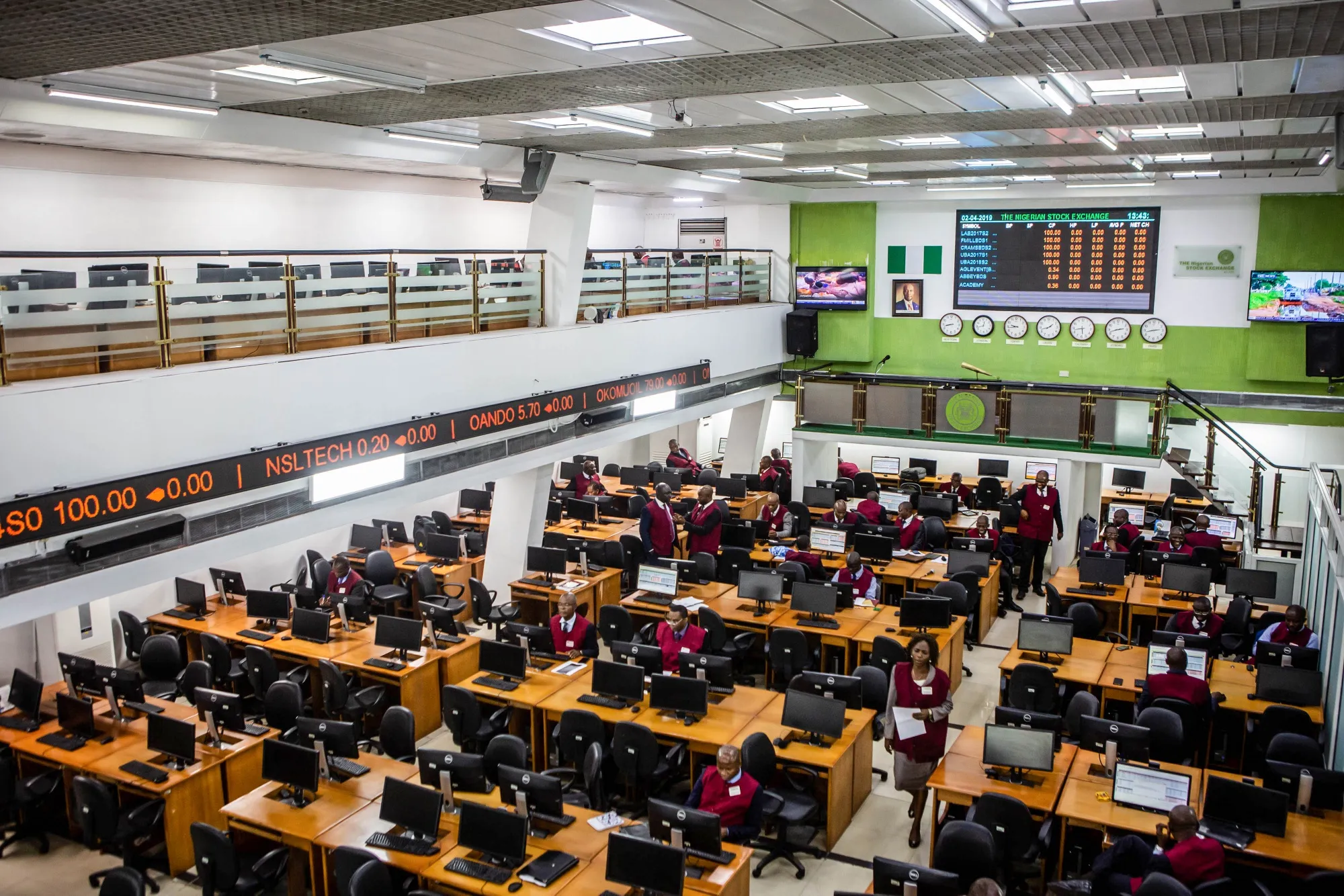
The Nigerian equities market has shed approximately N8.24 trillion in just three weeks since the transition to the T+1 settlement framework on June 1. This sharp decline is attributed to aggressive profit-taking and overdue technical corrections that dragged the market capitalization down from its May 31 peak of N160.51 trillion to N152.27 trillion by June 18.
Leading up to the T+1 implementation, the market had experienced a significant bull run fueled by strong corporate earnings, expectations surrounding banking recapitalization, and substantial investor positioning.
In a single session on Thursday, June 18, the Nigerian equities market extended its bearish trend, with a broad-based selloff across all major sectors. The NGX All-Share Index declined by 1.41%, resulting in a loss of N2.18 trillion from investors' wealth. This marks the second substantial single-session loss within two weeks, following a N2.28 trillion drop on June 3.
Trading data from the Nigerian Exchange (NGX) revealed that the All-Share Index settled at 237,404.92 points, pushing the market capitalization down to N152.27 trillion. The market breadth was overwhelmingly negative, with 40 declining stocks compared to 13 advancers, driven primarily by heavy losses in industrial, insurance, and banking stocks.
Among the top performers, Legend Internet (LEGENDINT) saw a gain of 9.52%, NPF Microfinance Bank (NPFMCRFBK) rose by 9.18%, Neimeth International Pharmaceuticals (NEIMETH) increased by 7.03%, and Daar Communications (DAARCOMM) was up 5.29%. However, several prominent companies experienced significant declines.
Top decliners included Tripple Gee & Company (TRIPPLEG), Cadbury Nigeria (CADBURY), and McNichols (MCNICHOLS), all hitting the maximum 10.00% daily downside limit. John Holt (JOHNHOLT) also saw a substantial drop of 9.93%.
The Industrial Goods Index was particularly hard-hit, shedding 3.42%. The Insurance Index fell by 2.83%, and the Banking Index declined by 1.48%. The Consumer Goods sector eased by 0.59%, and the Oil & Gas sector saw a marginal drop of 0.14%.
Despite the broad market decline, trading activity showed a significant surge in the value of transactions, which rose by 192.28% to N116.85 billion, while volume traded increased by 4.33% to 691.64 million shares. This suggests active institutional repositioning rather than outright exits.
The benchmark Index has now fallen over 15,100 points from its all-time high of 252,508 points recorded in May 2026. Cumulative market capitalization losses from peak levels now exceed N8 trillion. Despite the ongoing correction, the year-to-date return of +52.56% keeps the NGX among the stronger-performing equity markets globally in 2026.
Analysts anticipate the bearish trend may persist in the near term, influenced by continued profit-taking and macroeconomic uncertainties. However, elevated turnover levels indicate that bargain hunting by institutional investors could provide intermittent support at current price levels.